




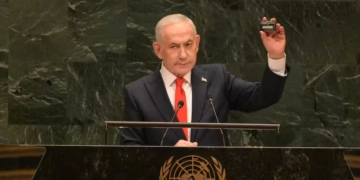



















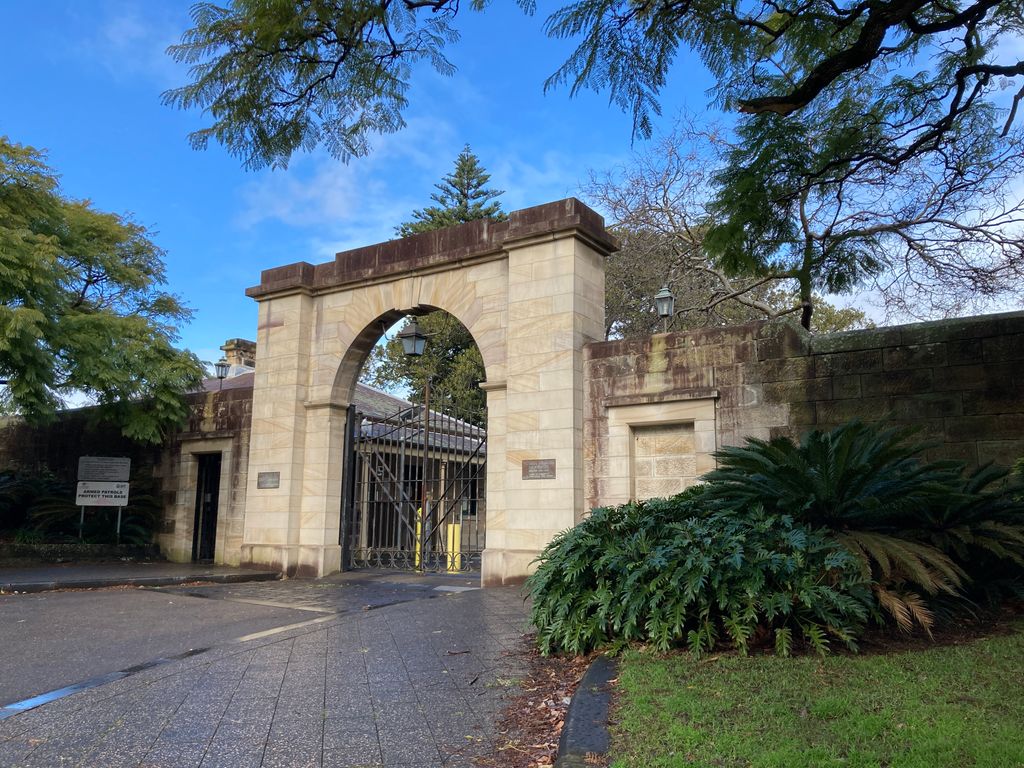
Australia’s plan to sell dozens of Defence properties has become a national political flashpoint, with former prime minister John Howard joining a rally in Sydney on 25 October to demand a rethink of the proposed disposal of historic Victoria Barracks. The dispute now reaches beyond heritage, testing the government’s claim that selling underused sites will strengthen military capability against concerns about public ownership, security and future options.
The protest brought together veterans, heritage advocates and politicians from across the political spectrum. It gave visible form to a campaign that has been building since the federal government accepted a major review of the Defence estate earlier this year. Supporters of the sale argue that maintaining ageing or underused properties diverts money from modern military needs. Opponents say the financial return may not justify relinquishing strategically located land and nationally significant sites.
What the sell-off includes
The Defence Estate Audit followed the 2023 Defence Strategic Review, which called for the military’s property portfolio to better support present and future operational needs. The audit identified 68 sites for potential divestment. The government agreed to wholly divest 64, partially divest three and retain one in full. Three of the sites earmarked for full divestment had already been disposed of by the time the government announced its response in February.

The list covers metropolitan barracks, training depots, rifle ranges, fuel installations and other sites across Australia’s states and territories. It is a broad estate rationalisation programme rather than a single sale, and each property may require different relocation, remediation, heritage and disposal work.
Howard’s intervention has made the Sydney barracks the public symbol of the wider argument. The site has a long military history and remains in use, giving opponents a concrete example of why a property can be difficult to classify as simply surplus even when Defence believes its functions can be moved elsewhere.
Why Victoria Barracks matters
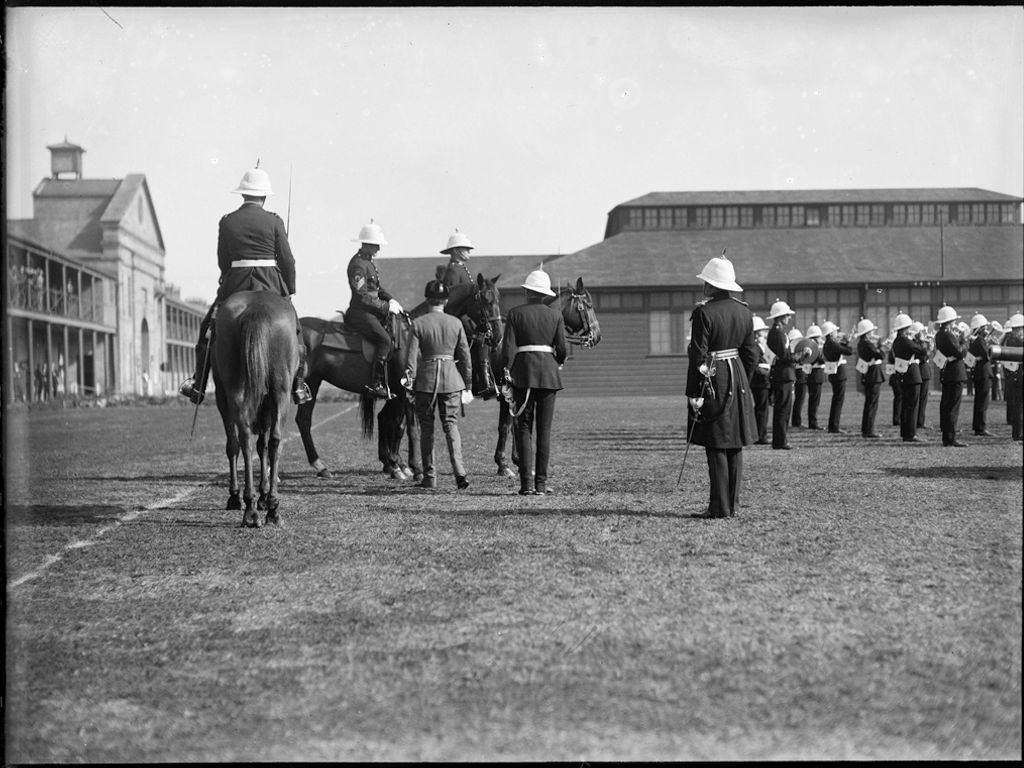
Victoria Barracks in Paddington occupies 13 hectares. The barracks were established in 1840, with the main buildings completed in 1848. The site houses Defence headquarters, office space, accommodation, a museum and cadet training facilities. Official workforce estimates published for the estate review listed approximately 200 to 250 permanent Defence personnel, 50 to 100 public service staff, 150 to 200 reservists and 50 to 100 cadets associated with the site.
The government says administrative personnel are expected to relocate to Defence Plaza Sydney, about two kilometres away, where average daily use of work points has been estimated at 40 per cent. Cadets are expected to move to Randwick Barracks, about seven kilometres away, or to another community venue. Defence says consolidating administrative work and improving its estate will create better facilities for current and future personnel.
Those arrangements answer some questions about where functions could go, but not every concern about what the land might be needed for in the future. Critics argue that once a site is sold, the government may have less flexibility to respond to a future emergency, training need or defence expansion. The government says the estate audit found sites whose location or condition no longer matches current and future capability requirements.
Also Read: Saudi Arabia’s $83 Billion Military: Why Houthi Attacks Persist
Money, capability and security
The audit estimated that divesting the 68 properties could generate about A$3 billion in gross revenue. It also estimated around A$1.2 billion in costs for relocating personnel, remediating land, meeting heritage obligations and administering the programme. That produces a potential net benefit of roughly A$1.8 billion, but the figures are preliminary estimates rather than guaranteed proceeds or a sale valuation for any individual site.

The government says all proceeds will remain within the Defence portfolio and be reinvested in priorities under the National Defence Strategy, including strengthening bases in northern Australia. It also argues that continuing to maintain properties that no longer support operational needs has a long-term cost of its own.
Opponents see a different risk calculation. Historic inner-city sites may have heritage significance, public access value and strategic usefulness that cannot be captured fully in a property valuation. Some community proposals favour affordable housing, open space or cultural uses rather than an unrestricted private redevelopment, while veteran groups argue that at least part of the estate should remain in public hands.
Security concerns should not be treated as proof that the proposed sales are unsafe. The government says the review was designed to align property holdings with current and future capability requirements. The unanswered question is whether the assessment of future needs, relocation costs and alternative uses is sufficiently transparent for the public to judge that decision. A site can be underused today and still hold long-term value, but that value has to be demonstrated rather than assumed.
What remains unresolved
Victoria Barracks is protected by Commonwealth heritage rules, including obligations under the Environment Protection and Biodiversity Conservation Act 1999. The government says heritage values must be protected as part of any sale and has identified options such as retaining important buildings, adapting historic facades for new uses and preserving records. Those safeguards matter, but they do not automatically guarantee that the whole site remains publicly owned or continues as an active military base.
Key questions remain about the final sale timetable, property-specific valuations, the true cost of moving people and capabilities, and the conditions that future owners would have to meet. The Department of Finance is managing the disposal process and has invited public feedback on possible future uses, while making clear that feedback does not commit the government to a particular outcome.
The rally demonstrated that opposition is wider than a single party or a small heritage lobby. Whether that pressure changes the programme will depend on what the due-diligence process reveals, how the government explains the security case for each site and whether any disposal terms can preserve the public value that opponents fear losing.
Also Read: Turkiye, Saudi Arabia and Pakistan Sign Mecca Defence Pact
Forensic Times