












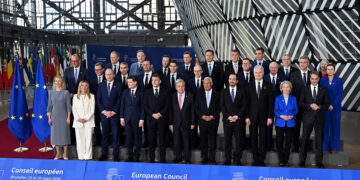
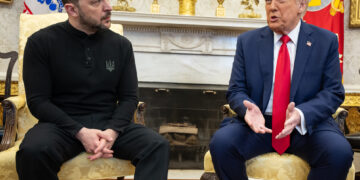


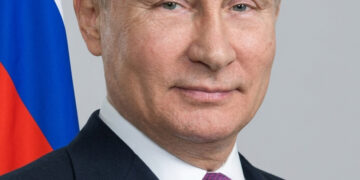




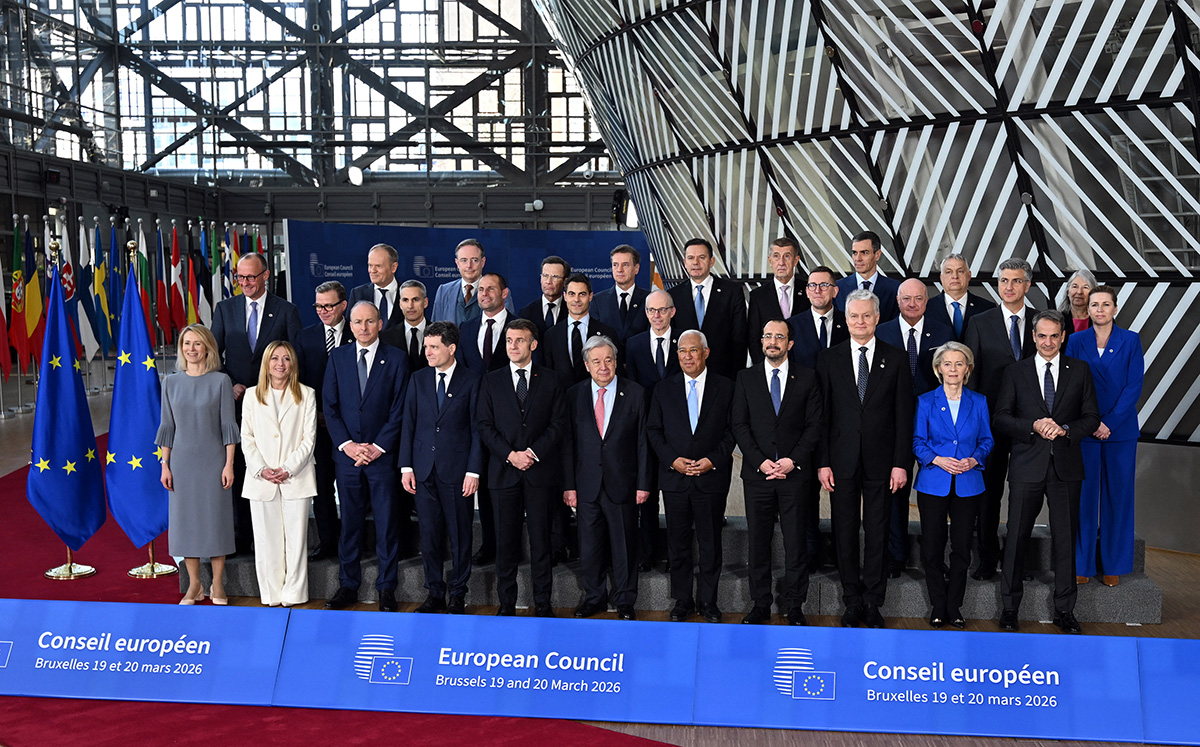
The European Union’s October summit produced commitments on Ukraine, a roadmap for negotiations on the bloc’s next long-term budget and a further discussion on migration. But the conclusions also show the limits of agreement: leaders did not settle the 2028-2034 budget, and the migration discussion did not produce a new package of emergency measures.
At their 15-16 October meeting in Brussels, leaders addressed Ukraine’s financial and military needs, European competitiveness, defence, migration and enlargement. The formal conclusions are the clearest record of what governments endorsed, and they distinguish decisions already in progress from files still subject to negotiation.
Also Read: Zelenskyy Rejects Trump Putin Comparison as Ukraine Rift Deepens
Ukraine: funding and military support
Leaders reaffirmed support for Ukraine and welcomed continuing disbursements under the existing €90 billion support loan for 2026 and 2027. They also noted that funding had been identified to meet Ukraine’s budgetary and defence needs for 2026. This is not the same as approving a complete new funding package for 2027: the Council called for an updated assessment by the European Commission and the International Monetary Fund of Ukraine’s financing and military requirements.
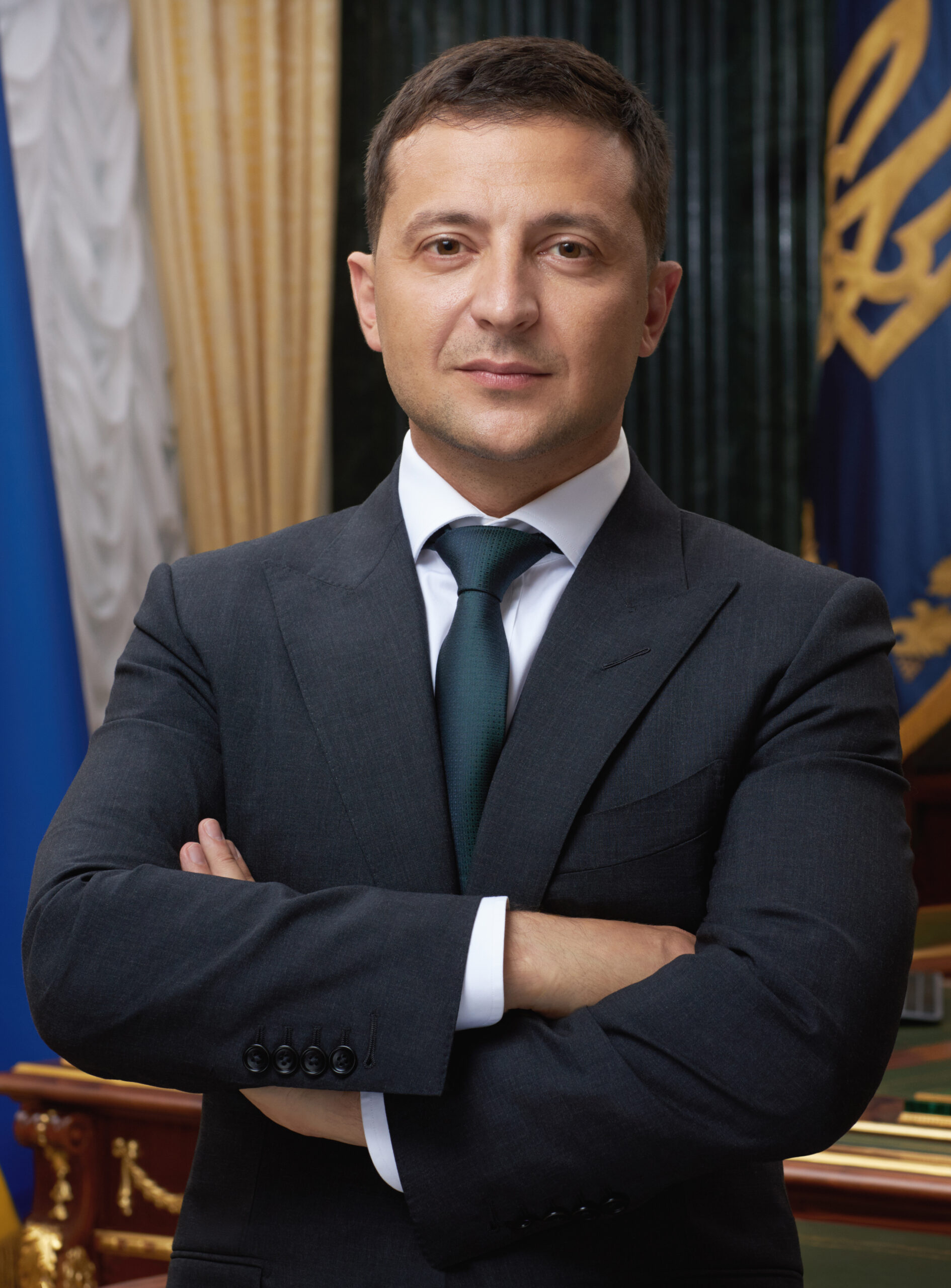
On military assistance, the conclusions welcomed an agreement to release €6.6 billion under the European Peace Facility, revisions to the mandate of the EU military assistance mission for Ukraine, continued bilateral aid and progress in defence-industrial cooperation. Leaders also welcomed the establishment of an integrated anti-ballistic missile coalition. The practical test will be when funds are released, which capabilities they support and how delivery is measured against Ukraine’s battlefield and infrastructure needs.
The summit also called for stronger protection of Ukraine’s energy systems ahead of winter and for safe passage for grain shipments through the Black Sea. Leaders condemned attacks on energy, transport, healthcare, educational and agricultural infrastructure, including grain storage and export facilities. Such attacks have consequences beyond Ukraine, affecting regional electricity security and global food supply chains.
On sanctions, leaders welcomed the EU’s 21st package, adopted before the summit, and called for further efforts to reduce Russian energy revenues, close circumvention loopholes and constrain the shadow fleet. They also expressed regret over the United States’ temporary easing of sanctions on Russian diesel. This exposes a continuing strategic difference between Europe’s approach to economic pressure on Moscow and Washington’s energy-policy choices.
The long-term budget remains contested
The summit’s second major test was the EU’s multiannual financial framework for 2028-2034. Leaders discussed an updated negotiating proposal presented by Ireland, which holds the rotating Council presidency, but did not approve a final budget. The proposal has been reported at around €1.62 trillion, yet that figure remains part of an active negotiation rather than an agreed spending plan.
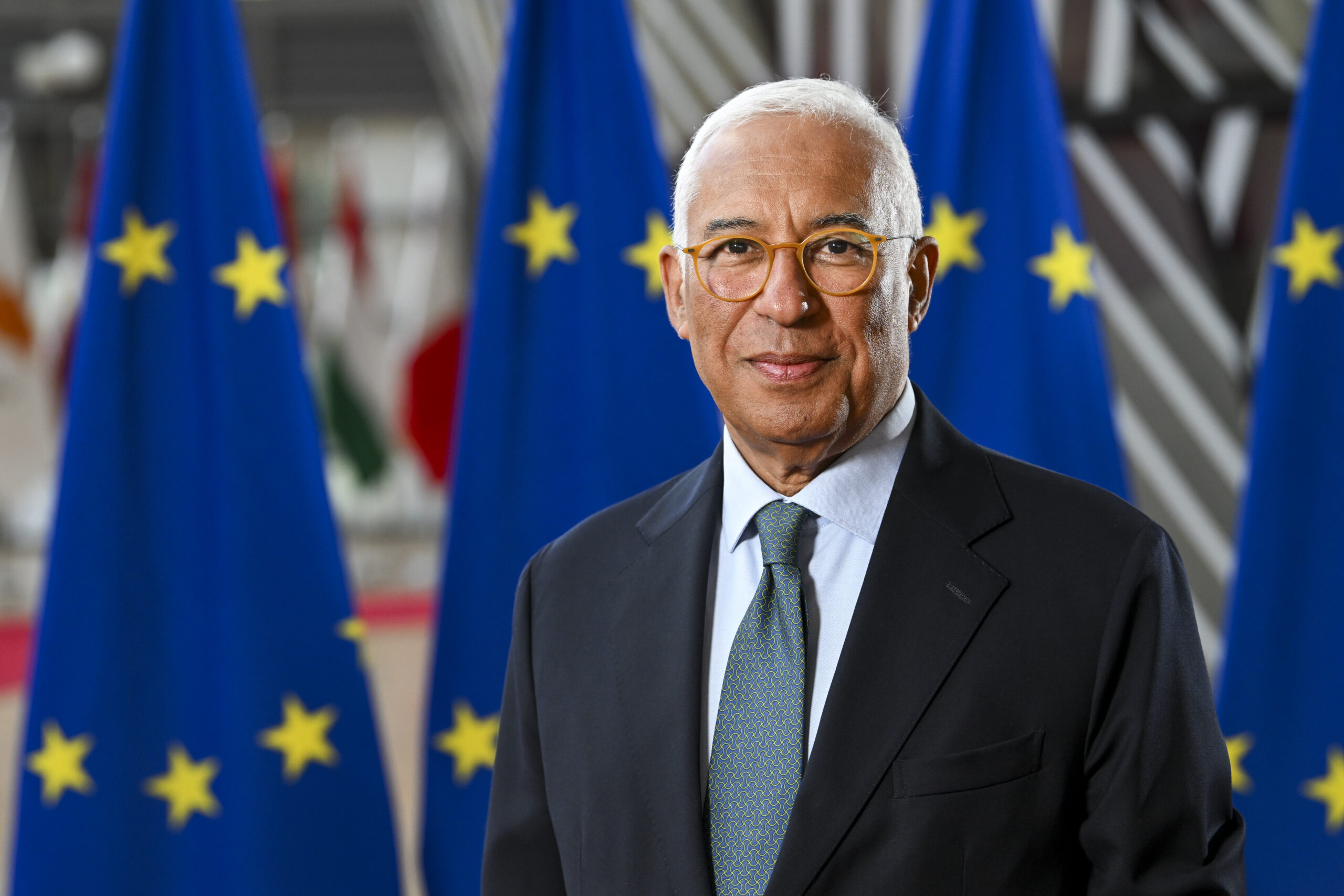
European Council President António Costa was asked to take negotiations forward, with leaders aiming for agreement before the end of 2026. That timetable matters because the institutions would need to complete the necessary legislative work in 2027 to avoid interruption to EU funding when the next framework begins in January 2028.
The disagreement is about more than the headline total. Governments must balance agricultural support, regional cohesion funding, defence, competitiveness, new policy priorities and national contributions. Net contributors question the cost, while other governments argue that reducing traditional funds would weaken support for poorer regions and agricultural communities. Without a final distribution of spending and contributions, pledges on new priorities remain politically exposed.
Migration: discussion, not a final deal
On migration, leaders held a strategic discussion and welcomed the Commission’s intention to work with member states on an emergency framework and responses to the instrumentalisation of migration. The Council said the issue would return at a future meeting. Its published summary does not record a final new migration package or the adoption of a specific emergency measure at this summit.

This distinction matters. A political commitment to prepare a framework is not the same as a binding rule, a funding allocation or an operational deployment. The details that will determine its effect include the threshold for activating emergency measures, responsibilities across member states, safeguards for asylum applicants, oversight, and the role of EU agencies. Until the Commission provides a concrete proposal and the institutions act, the policy remains unfinished.
The legal framework
The long-term EU budget is governed by Article 312 of the Treaty on the Functioning of the European Union. The Council adopts the multiannual financial framework by a special legislative procedure, acting unanimously after obtaining the European Parliament’s consent. This unanimity requirement gives each member state substantial negotiating leverage and helps explain why budget talks can stall even when leaders agree on broad priorities.
For migration emergencies, Article 78(3) TFEU allows the Council, on a proposal from the Commission and after consulting the European Parliament, to adopt provisional measures when one or more member states face an emergency characterised by a sudden inflow of third-country nationals. The October summit’s discussion did not itself trigger that procedure. Any subsequent action would need a defined legal basis, proportionate and temporary measures where applicable, and compliance with EU asylum law and fundamental rights.
Also Read: EU Capitals Weaken Year-End Budget Deal Deadline as France and Italy Push Back
What to watch next
The summit should be judged by implementation, not only by communiqués. For Ukraine, the key indicators are the timing and conditions of the €6.6 billion release, the flow of support under the existing loan, and the updated assessment of the 2027 financing gap. For the budget, watch whether Costa’s negotiations narrow the split over national contributions, agriculture and cohesion funds, and whether institutions keep the end-of-year timetable.
For migration, the next evidence will be the Commission’s proposed framework, its legal basis and the safeguards it contains. The investigative distinction is straightforward: agreed conclusions set political direction, while legislation, budget lines and operational decisions determine what governments are actually required to do.
Forensic Times Investigative Desk
This report distinguishes formal summit conclusions from proposals and unresolved negotiations. Budget figures described as proposals are not presented as final allocations, and political commitments are not treated as enacted law.