










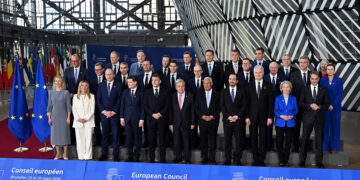





European Union governments have softened the push to conclude a deal on the bloc’s next seven-year budget by the end of 2026, after France, Italy and other capitals resisted language that would make December the explicit target. The latest draft conclusions prepared for the European Council summit in Brussels instead ask leaders to move negotiations towards a timely agreement. They still warn that a deal before the end of the year would give institutions time to complete the legislation needed for funding to begin in January 2028.
The change is a small adjustment in diplomatic language with larger political meaning. European Council President António Costa wants negotiations to advance before elections scheduled in several member states during 2027 complicate the process. But governments fear a deadline could force them to accept a financial settlement before their central demands have been met.
France and Italy resist a deadline-driven deal
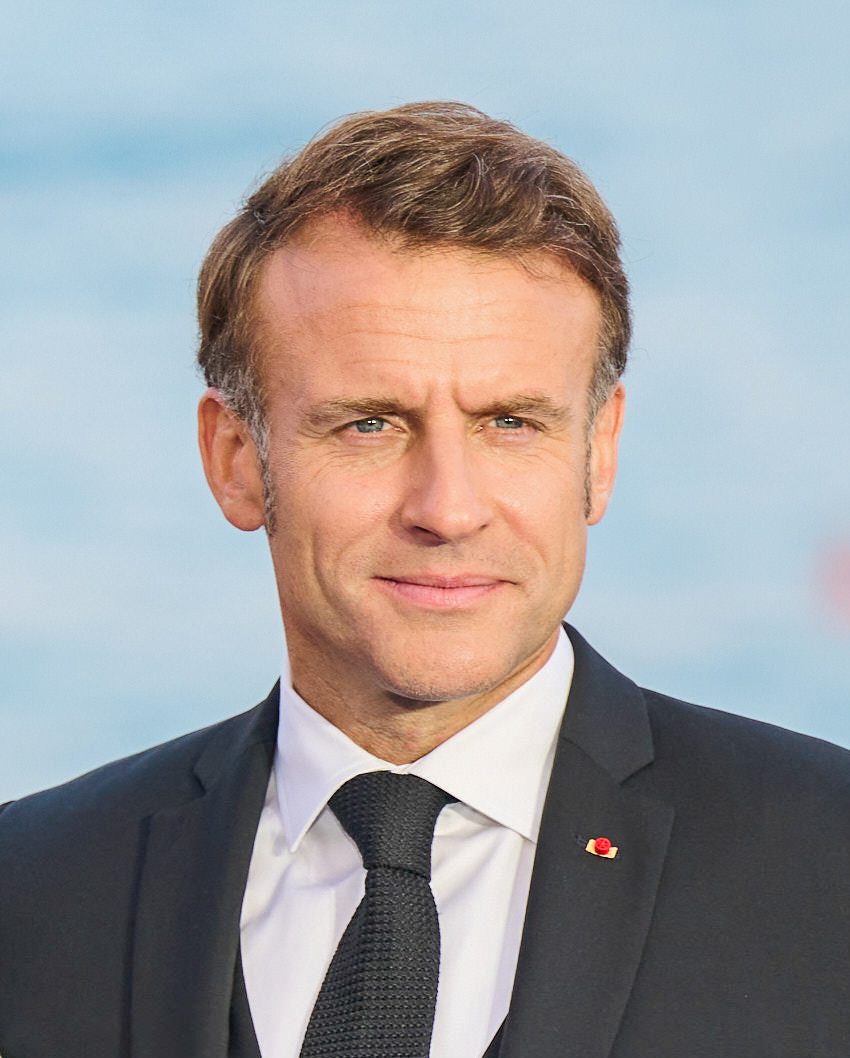
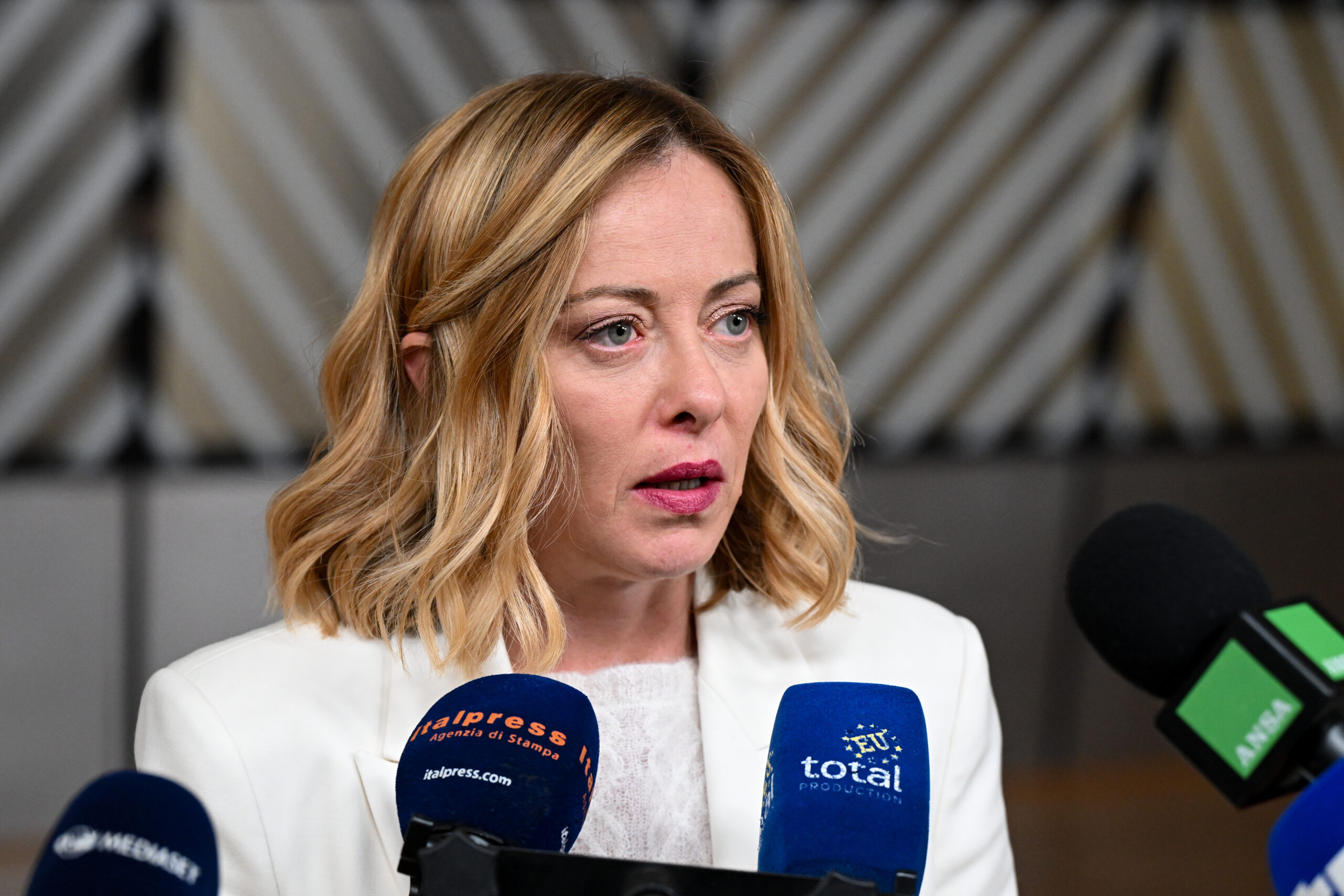
France and Italy were among the countries urging Costa’s team to remove the explicit reference to reaching a final agreement by the end of the year. Italian Prime Minister Giorgia Meloni has argued that the terms matter more than the calendar, while French President Emmanuel Macron faces pressure at home over national contributions and the future direction of European spending.
The disagreement does not mean the talks have been abandoned. Leaders still want progress, but the softened wording gives national governments more room to negotiate. Spain’s snap election scheduled for November 29 adds another uncertainty, while elections in France, Italy and Poland in 2027 could make compromises politically harder as the budget talks continue.
A €1.62 trillion proposal has not bridged the divide
The negotiations concern the Multiannual Financial Framework, the EU’s long-term spending plan for 2028 to 2034. Ireland’s compromise proposal places the package at about €1.62 trillion, below the European Commission’s initial proposal. The framework sets spending ceilings and shapes funding across programmes, making it one of the most consequential bargaining exercises for all 27 member states.
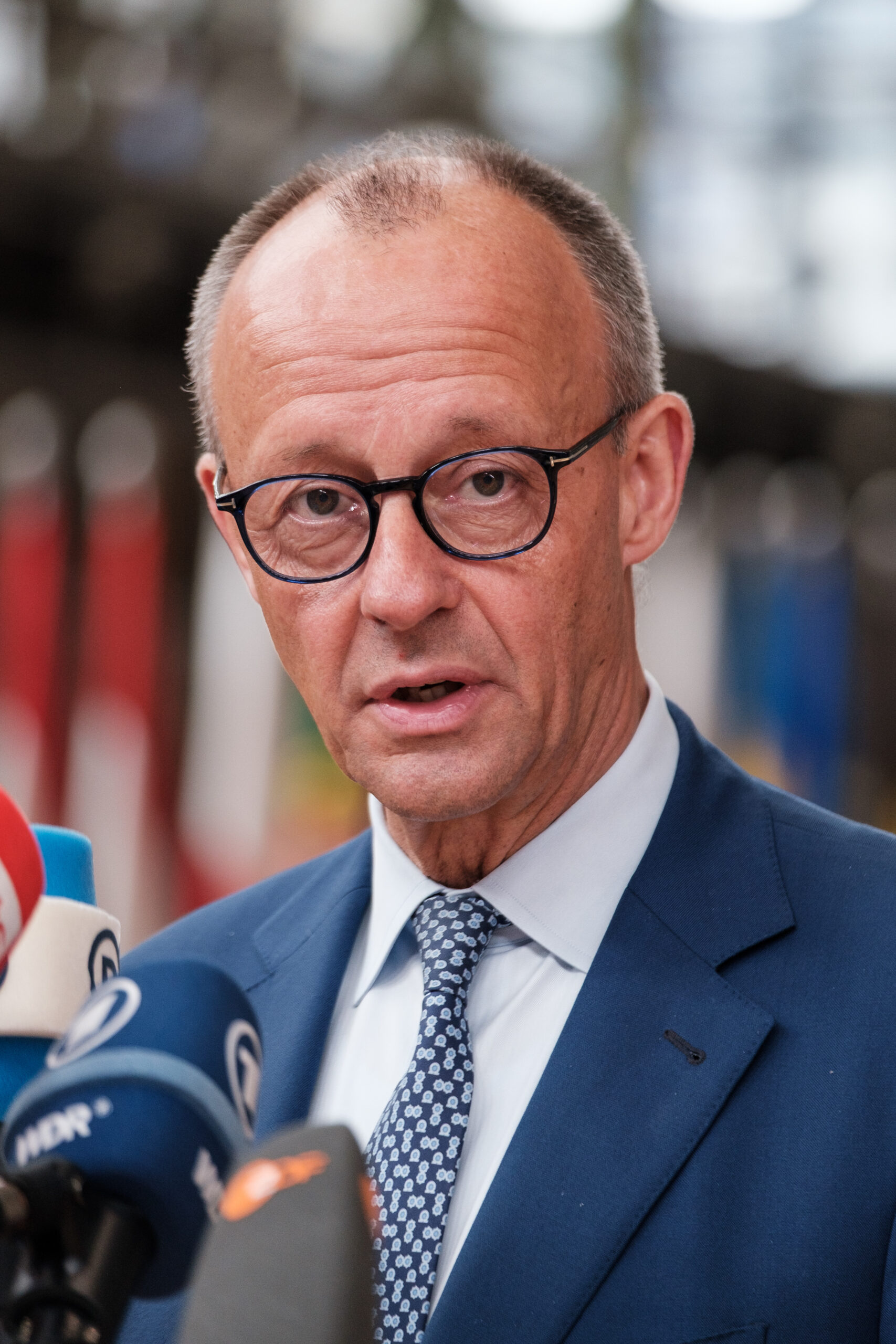
Germany, the Netherlands and Nordic contributors say the proposed budget remains too expensive and want tighter spending discipline. Countries that contribute more to the EU budget than they receive in direct allocations are demanding clarity on the total cost, the sources of revenue and the allocation of funds. Sweden has warned that its net contribution could rise sharply under the package.
On the other side, the Friends of Cohesion group of 17 countries wants to protect regional development and agricultural support. These funds underpin investment in less-developed regions and provide income support to farmers. Governments that rely on them worry that reductions or a redesign of the budget would weaken programmes that have traditionally helped narrow economic disparities across the union.
Costa faces a difficult political timetable
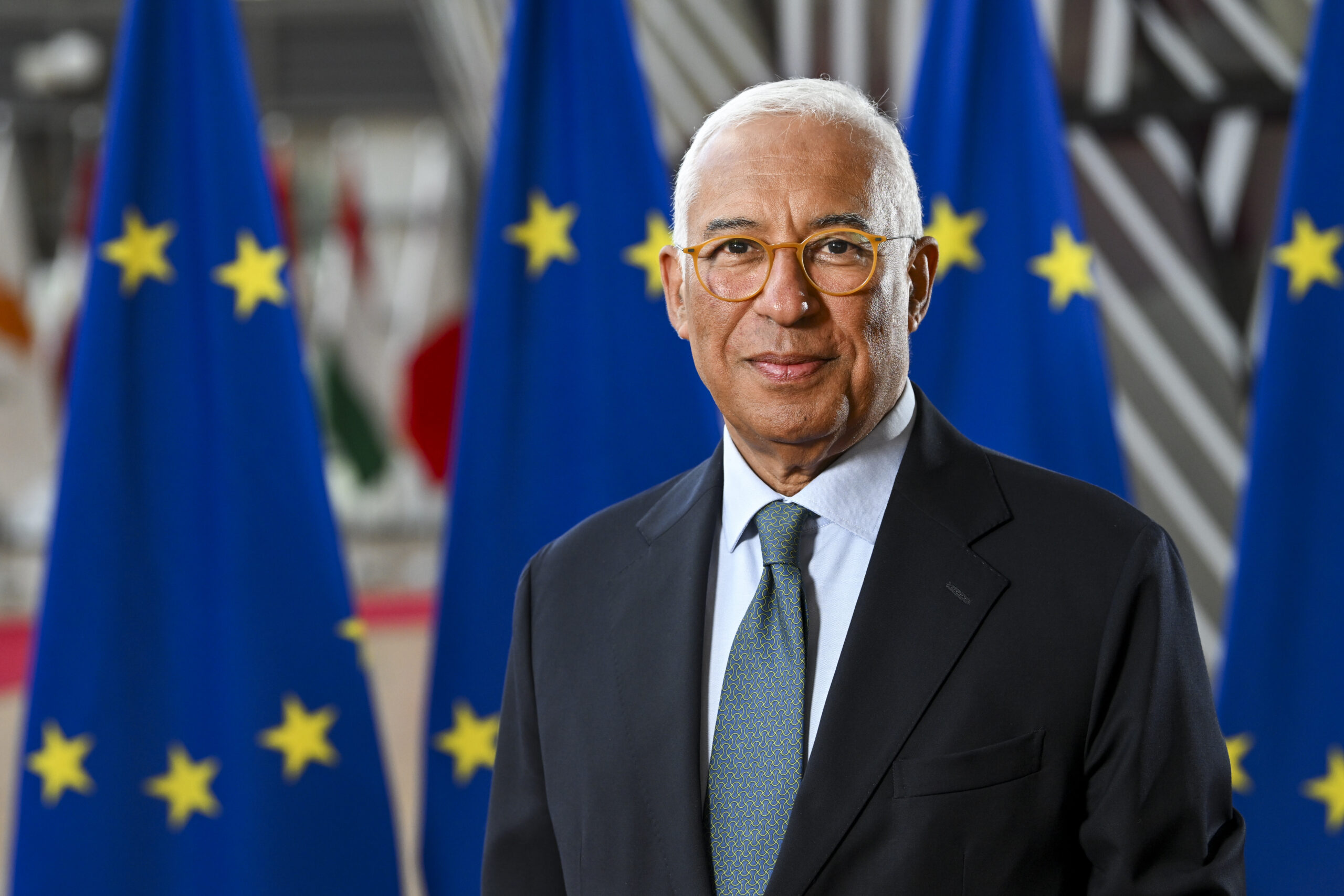
European Council President António Costa now has to sustain momentum without a firm political commitment to finish by December. An EU long-term budget requires unanimous agreement among member states, alongside the European Parliament’s consent. A single government can therefore block a settlement if it considers the compromise unacceptable.
A late agreement would not automatically shut off EU funding on January 1, 2028. The current framework runs through 2027. However, a delayed political deal would leave a shorter period to adopt the detailed laws and programme rules required to keep funding flowing smoothly. That makes the end-of-year objective useful as a planning target even if capitals are unwilling to treat it as a binding promise.
The budget is a test of Europe’s strategic ambitions
The argument is about more than the total amount. The next framework must balance traditional spending on agriculture and regional development with rising demands for defence, support for Ukraine, research, industrial competitiveness, migration management, energy links and climate-related investment. Governments broadly agree that Europe faces a more difficult international environment, but they disagree over whether meeting those challenges requires a larger shared budget, new sources of revenue or reductions elsewhere.
The summit’s draft conclusions also reflect tension with Washington. EU leaders criticised the US decision to ease restrictions affecting Russian diesel exports and expressed concern over US sanctions against the International Criminal Court. These disputes add a geopolitical layer to budget negotiations: European governments are trying to strengthen the bloc’s ability to act while disagreements with the United States sharpen over security, trade and international institutions.
The diesel question has already affected EU debate about energy security and Russia’s wartime revenues. ForensicTimes has covered the separate decision in its report on Russia’s restart of diesel exports under the Trump deal.
A softer deadline buys time, not consensus
Removing the firm year-end formulation protects governments from being pushed into a deal simply because the calendar is running out. But it does not resolve the central questions: how much the EU should spend, who should pay, which programmes should be protected and what new priorities deserve funding.
The negotiations could continue into 2027 if capitals remain divided. That would increase pressure on institutions to complete the legal work before the new budget takes effect. The revised language is therefore both a sign of political realism and a warning: leaders are preserving their room to bargain, but the EU still has to find a compromise that can command unanimous support while preparing to fund its priorities from January 2028.
ForensicTimes · forensictimes.com · Global Investigative Journalism on Crime, Justice, and Forensic Science · This report reflects verified open-source and wire reporting current as of publication. © 2026 ForensicTimes. All Rights Reserved.