












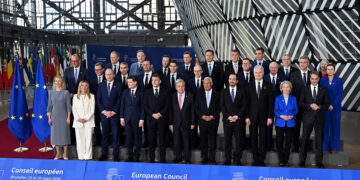






European Commission President Ursula von der Leyen has asked EU leaders to explore bloc-wide strategic gas reserves as Europe enters winter with low storage and elevated prices. POLITICO reported the proposal on 15 October, citing three diplomats and two EU officials.
The idea remains under consideration, not an approved EU programme. Leaders would need to decide how it would complement commercial storage and national emergency plans, and who would pay. The debate reflects a shift toward treating energy supply as a strategic security issue.
ALSO READ: Finland’s Orpo Says Trump Is Siding With Putin, Risks Alienating Europe
EU gas storage enters winter well below recent levels
Gas Infrastructure Europe said EU underground storage was about 72% full on 1 October, holding roughly 74 billion cubic metres—around 11 percentage points below the year-earlier level. By 13 October, storage had risen to approximately 74%, still below seasonal norms and leaving less of a cushion for a prolonged cold spell.
The figures do not mean Europe is about to run out of gas. They do show less stored fuel available if demand surges, imports are disrupted or a cold spell hits several countries. Storage varies by country, while gas markets and pipeline networks cross borders.
ALSO READ: Kremlin Says Russian Diesel Exports Have Restarted Under Trump Deal

High prices and uncertain global supplies add pressure
High energy costs have added urgency. Addressing the European Parliament on 15 October, von der Leyen said gas prices had risen around 140% since late February and diesel prices had doubled, increasing the cost of Europe’s fossil-fuel imports amid Middle East conflict.
Europe relies on pipeline gas and liquefied natural gas (LNG). Uncertainty around Gulf shipments and the Strait of Hormuz has intensified competition for cargoes, including from Asian buyers. If global and European demand rise together, prices could climb even without a physical shortage everywhere.
ALSO READ: US, Israel Weigh Weekend Strikes on Iran’s Grid
Brussels says the system is flexible, but margins are thinner
The Commission has not described the situation as an imminent shortage. On 8 October, it said the EU system remained flexible enough to meet demand in the scenarios assessed by ENTSOG. Higher LNG import capacity, diversified supplies and lower demand have improved readiness since the 2021–22 crisis.
That assessment tempers the case for strategic reserves. Europe may manage lower storage if imports remain available and temperatures stay within forecasts. Still, the Commission said storage helps cover late-winter cold spells and refill facilities for the next season. The question is whether existing flexibility can handle several simultaneous shocks.
ALSO READ: Oil Hits $100 as Houthi Attacks Rattle Markets
What would an EU strategic reserve actually do?
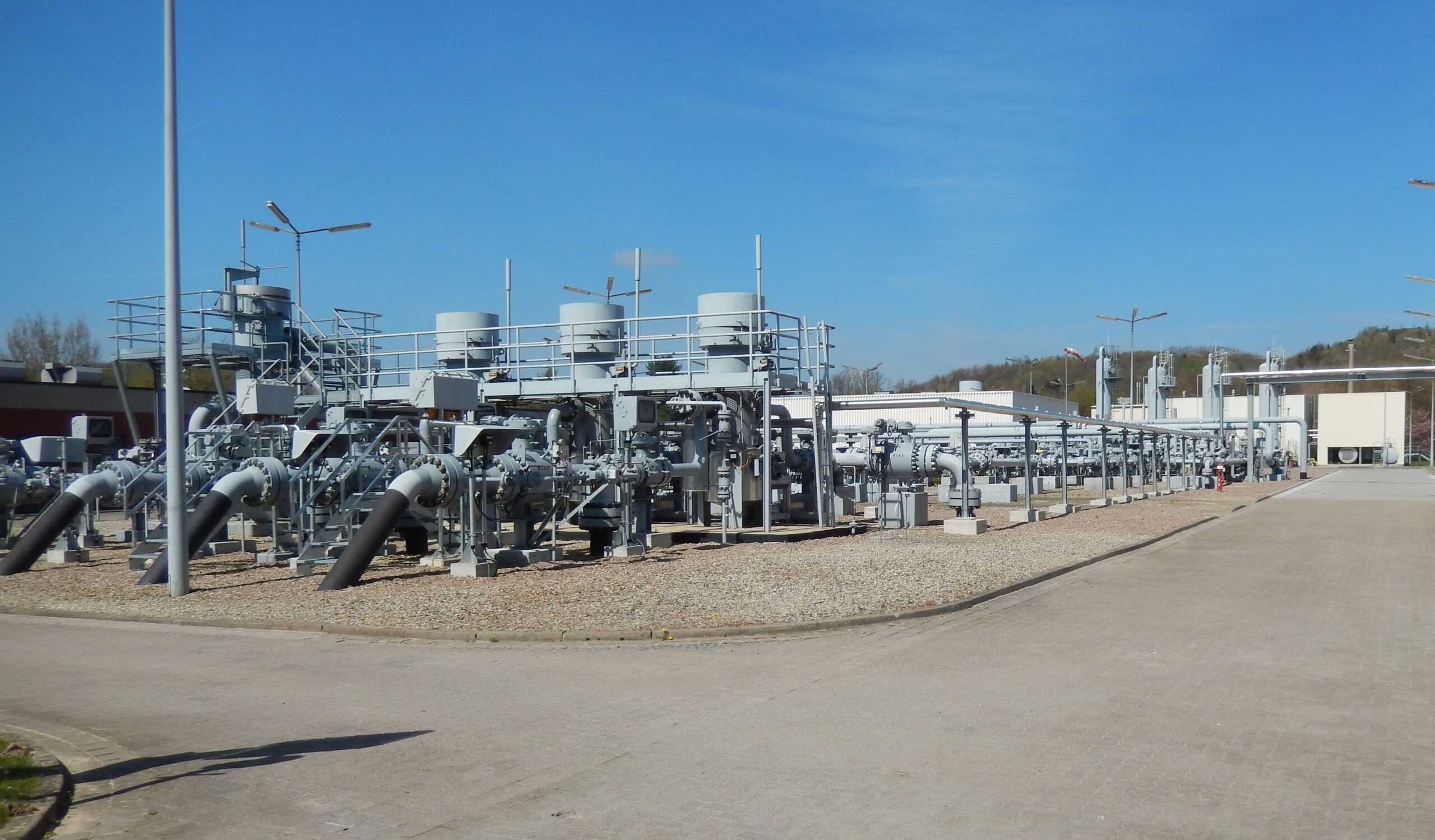
A strategic reserve would differ from gas held commercially by utilities and storage operators. An EU system could set aside a defined volume, establish release triggers and coordinate use during a serious disruption. It would add an emergency tool, but would not automatically lower prices or create new supplies.
Officials would need to decide the reserve’s size, location, replenishment schedule and release triggers. They would also need a cost-sharing formula for participating countries and rules to prevent emergency withdrawals in one region from worsening shortages elsewhere.
ALSO READ: Drones From Iraq Set Saudi Oil Pipeline Ablaze as Gulf Tensions Escalate
Germany is considering a national reserve
Germany is also considering a national emergency reserve. A draft plan reported by Reuters on 13 October would hold 24 terawatt-hours—enough for a 30-day interruption involving the country’s largest gas-import infrastructure. It could be funded by a consumer levy of up to €7.20 per household annually, but remains under discussion.
The German plan shows the trade-off: a reserve can improve readiness for sabotage or supply shocks, but buying and maintaining gas is costly even when markets are stable. An EU-wide pool could spread risk, while making cost-sharing, governance and release decisions more complex.
ALSO READ: US Senators Challenge Legality of Trump’s Russian Diesel Deal
Energy security is becoming a political test
High energy prices affect households and industry. A reserve might reassure markets, but its effect on bills would depend on funding and whether it reduces the risk premium in gas prices. Buying gas during a price spike could also lock in costs for consumers.
The EU must balance preparedness and affordability. Governments want protection from outages but face pressure not to add charges for households. A shared reserve may not lower prices in normal conditions, and poorly timed releases could distort markets or trigger disputes over access during a crisis.
ALSO READ: Zelensky Ends Energy Truce as Ukraine Resumes Russian Refinery Strikes
What happens next?
POLITICO reported that the Commission is preparing further changes to EU gas-security rules for consideration in November. Strategic reserves may form part of that debate, but officials have not announced a final design or a binding commitment to create EU-wide stocks.
Europe now has more diversified supply infrastructure than in 2021–22, but storage is lower and global markets remain volatile. The case for strategic reserves will depend on what risks they cover, how quickly gas can be released and whether the benefits justify the cost. The debate will test whether EU countries see gas security as a shared responsibility.
ALSO READ: Finland’s Orpo Warns of a Widening Rift Between Washington and Europe
Also Read
- Kremlin Says Russian Diesel Exports Have Restarted Under Trump Deal
- Finland’s Orpo Says Trump Is Siding With Putin, Risks Alienating Europe
- US, Israel Weigh Weekend Strikes on Iran’s Grid
ForensicTimes · forensictimes.com · Global Investigative Journalism on Crime, Justice, and Forensic Science · This report reflects verified open-source and wire reporting current as of publication. © 2026 ForensicTimes. All Rights Reserved.