Iranian state television put an Egyptian port on a target map two days before a drone actually hit it, and now Washington and Israel are reportedly weighing their harshest strikes yet on Iran’s own energy infrastructure, timed to conclude before markets open Monday.
Table of Contents
- The Planned Strikes
- Trump’s Own Framing
- The Damietta Strike That Preceded This
- The Predicted-in-Advance Target
- Egypt’s Careful Response
- A Third Front, Analysts Say
- The Collapsed Islamabad Ceasefire
- Forensic Analysis and Intelligence
- Law and Legal Implications
- Does the Weekend Campaign Actually Happen
The Planned Strikes
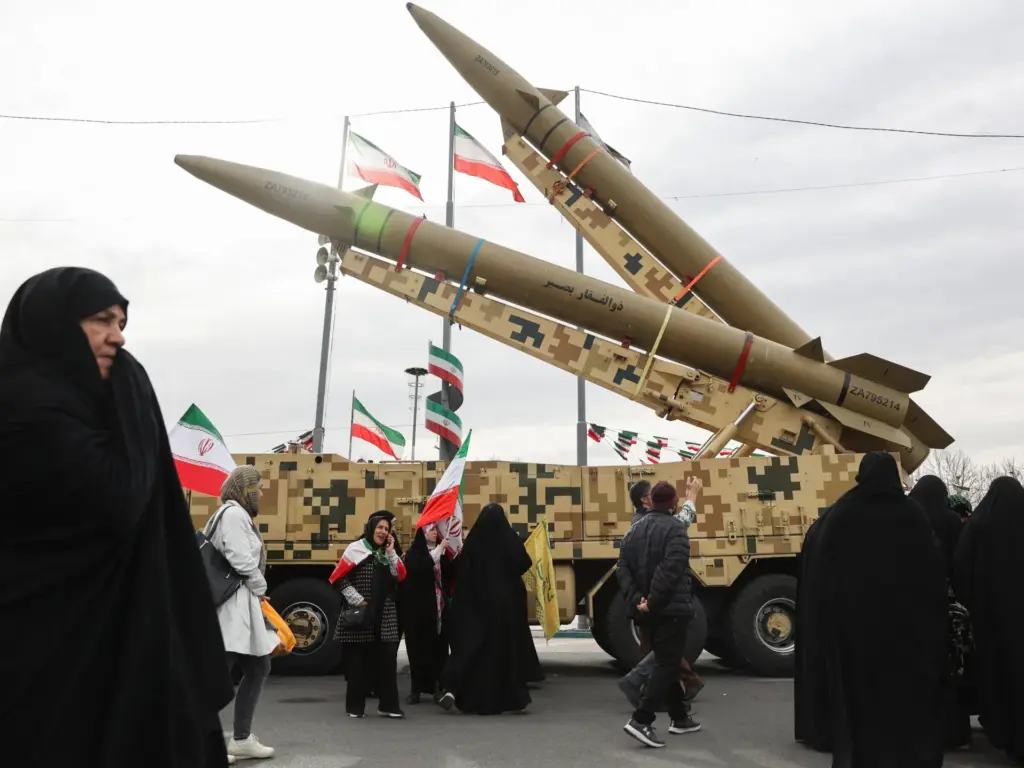
The United States and Israel are planning a potential bombing campaign targeting Iran’s energy infrastructure, with strikes possible as early as the weekend of August 1-2, 2026, CBS News reported Friday, citing people familiar with the matter. President Trump had not yet given final go-ahead for the strikes as of the report. CBS said the campaign would be one of the harshest yet against Iranian energy infrastructure during the war, adding there was discussion about concluding the strikes before financial markets open Monday, a detail suggesting planners are explicitly weighing market impact in their timing.
Trump’s Own Framing
Trump has said the war, which began in February when the US and Israel launched a bombing campaign in Iran, would last only a few weeks, a timeline the conflict has since dramatically exceeded across multiple rounds of escalation and attempted ceasefires. A temporary ceasefire agreement reached in June collapsed amid renewed fighting over the Strait of Hormuz, which Iran says it now controls.
The Damietta Strike That Preceded This
A drone strike targeting gas vessels at Egypt’s Mediterranean port of Damietta raised fears Thursday, July 30, of a widening conflict and potential threats to shipping through the Suez Canal. Egypt’s cabinet said an initial investigation showed an unidentified drone caused a fire on two vessels at the port on July 29, with trading sources identifying the US-owned gas storage tanker Energos Winter as the vessel struck, with fire spreading to a second vessel, the GasLog Salem LNG tanker. No group claimed responsibility, and Egyptian authorities initially denied a drone strike had occurred at all, before confirming it had.
The Predicted-in-Advance Target
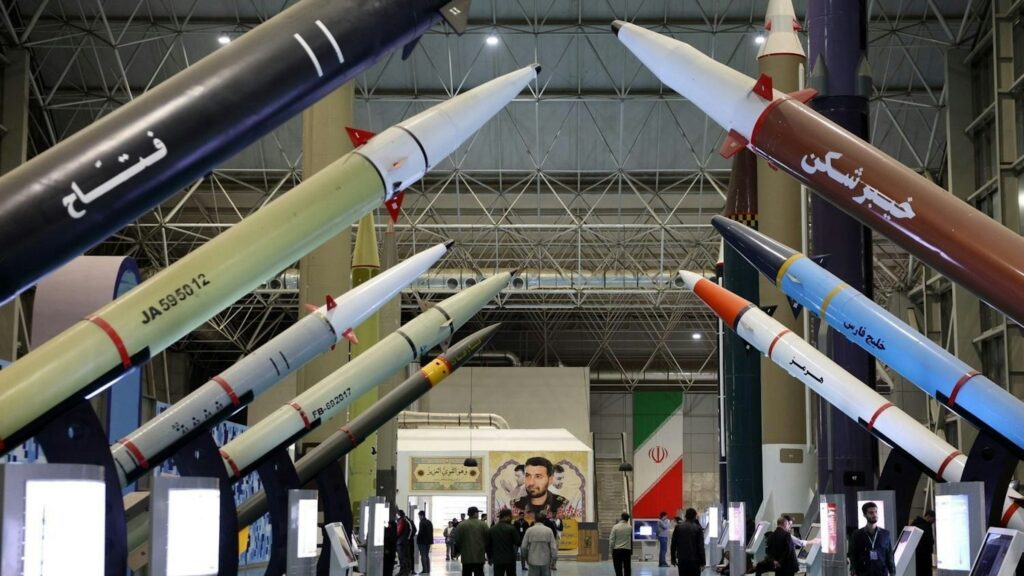
Two days before the strike, following Ukraine’s attack on an Iranian commercial vessel in the Caspian Sea, Iranian state television broadcast a map identifying potential targets for retaliation against Ukrainian interests, explicitly naming Damietta and describing it as a gateway for gas exports to Europe with an annual liquefied natural gas capacity of 5.2 million tons. Maritime intelligence firm Windward assessed the Damietta strike as a third front, separate from the Gulf and Red Sea theaters, and pointed to the prior Iranian state TV broadcast as evidence suggesting an Iranian-directed operation rather than a Houthi one, though no party has formally claimed responsibility.
Egypt’s Careful Response
Egyptian Foreign Minister Badr Abdelatty had urged his Iranian and Omani counterparts on July 25, four days before the strike, to halt all escalatory action, telling Bloomberg two days earlier that he believed the US-Iran crisis was bridgeable. An unnamed Egyptian official quoted in regional reporting said Egypt’s relations with Gulf states would strengthen in the wake of the attack rather than weaken, noting Gulf security is considered part of Egypt’s own security, and pointing to losses Egypt had already suffered from Houthi pressure on Red Sea shipping.
A Third Front, Analysts Say
Analysts described the widening of the conflict to Egypt’s Mediterranean coast as consistent with a pattern of Iranian horizontal escalation, in which Tehran expands the number of active battlegrounds rather than absorbing additional damage in the original theater, forcing the US and its partners to defend a more diffuse set of threats. That approach has already drawn in governments from Kuwait to Egypt that did not initially seek involvement in the conflict. Separately, Iran-allied militias in Iraq launched drones at oil infrastructure in Saudi Arabia’s Riyadh and Eastern regions the same week, further widening the pattern of energy-infrastructure targeting across the region.
The Collapsed Islamabad Ceasefire
The renewed US strikes on Iran that triggered this latest escalation followed the failure of a ceasefire framework negotiated through Islamabad, according to Wikipedia’s tracking of the conflict, extending a pattern in which repeated mediated ceasefire attempts, first in April, then in June, have each collapsed within weeks, drawing the conflict back into active strikes each time.
Forensic Analysis and Intelligence
The two-day gap between Iran’s state television broadcast naming Damietta as a retaliation target and the actual drone strike on the port is a rare piece of pre-attack open-source intelligence in this conflict, allowing analysts like Windward to assess attribution with more confidence than the many other unclaimed strikes throughout the war, where competing accounts from involved parties are usually the only available evidence. Even so, no formal claim of responsibility has been made, and Egyptian authorities’ initial denial that a drone strike occurred at all, later reversed, illustrates how even physically verifiable incidents can see contested or shifting official accounts in the first hours after an attack.
The reported plan to conclude the coming weekend’s strikes before financial markets open Monday reflects an explicit operational consideration of economic signaling, suggesting US and Israeli planners are treating market reaction as a factor to manage rather than an incidental consequence, a level of timing precision that itself indicates a deliberate rather than opportunistic strike window.
Law and Legal Implications
An unclaimed drone strike on commercial energy infrastructure in Egypt, a state not formally party to the US-Iran conflict, raises the same international law questions around strikes on non-belligerent territory previously flagged in coverage of attacks on Bahrain, Kuwait, and Jordan, with the added complication that Egypt controls the Suez Canal, a waterway whose international legal status under the Convention of Constantinople obligates free passage regardless of the surrounding security environment. A planned US-Israeli bombing campaign specifically targeting Iran’s energy infrastructure would raise proportionality questions under the law of armed conflict given the civilian reliance on energy infrastructure, questions similar to those already raised regarding strikes near Bushehr and Darkhovin, though targeting conventional energy infrastructure carries different, generally lower, safety-related legal stakes than strikes near nuclear sites.
Does the Weekend Campaign Actually Happen
It remains unclear whether Trump will give final authorization for the reported weekend strikes on Iran’s energy infrastructure, given that CBS’s sourcing indicated no go-ahead had been given as of Friday’s report. Whether the Damietta strike will be formally attributed to Iran, a pro-Iranian militia, or another actor is not yet resolved, since no party has claimed responsibility despite Windward’s circumstantial assessment. The extent to which the conflict’s horizontal expansion, now touching Iraq, Saudi Arabia, and Egypt in addition to the Gulf states, will draw in further governments not directly party to the original US-Iran dispute remains to be seen. Forensic Times continues to monitor CBS and CENTCOM reporting on the planned strikes and Egyptian investigation findings on the Damietta attack.
ForensicTimes · forensictimes.com · Global Investigative Journalism on Crime, Justice, and Forensic Science · This report reflects verified open-source and wire reporting current as of publication. © 2026 ForensicTimes. All Rights Reserved.