
Saudi Arabia’s vast defence budget has not made the kingdom invulnerable. Recent missile and drone attacks on critical infrastructure have exposed a difficult reality: even an advanced military cannot guarantee that every threat will be detected and stopped.
Recent strikes involving Riyadh’s King Khalid International Airport have reportedly killed at least 14 people and injured more than 320, while disrupting civilian aviation. The casualty figures and operational picture may change as authorities release further updates. The attacks have renewed questions about how a country spending tens of billions of dollars on defence can remain exposed to a determined, lower-cost adversary.
The issue is not simply whether Saudi Arabia owns advanced weapons. It is whether its defensive network can protect a vast territory, sustain repeated engagements and reduce the strategic impact of attacks.
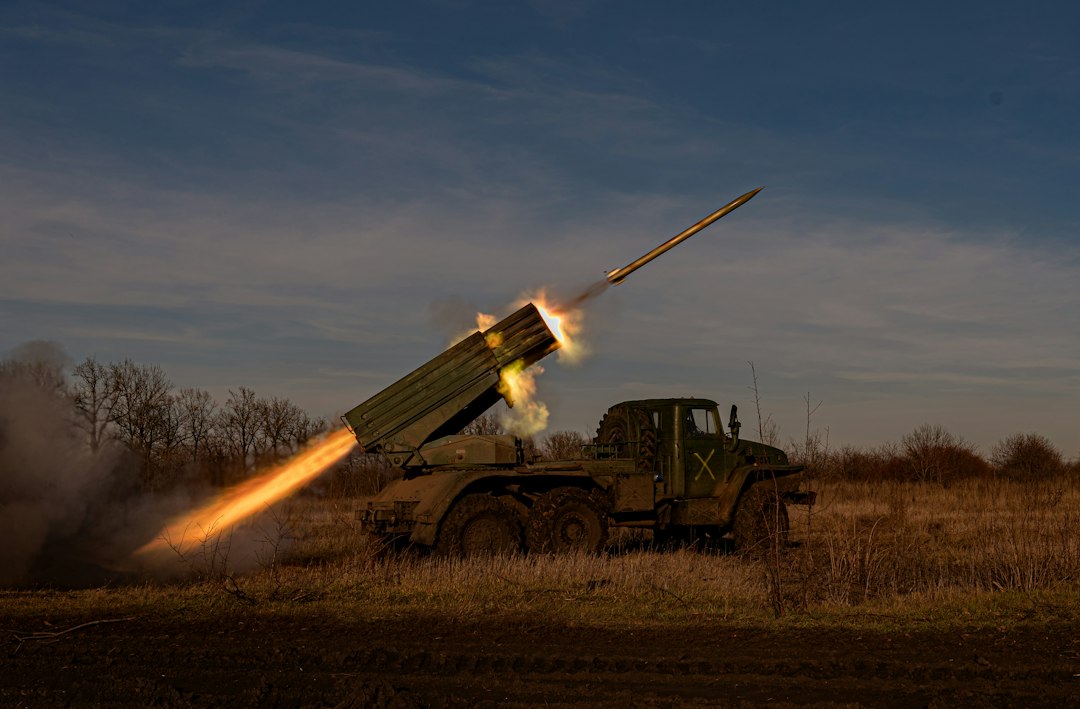
A Huge Budget Is Not an Impenetrable Shield
Saudi Arabia’s military expenditure was estimated at $83.2 billion in 2025, reflecting the scale of its security commitments. That total covers personnel, training, operations, maintenance, procurement and infrastructure—not just missile interception.
The kingdom operates modern combat aircraft and layered air-defence systems, including Patriot and THAAD. Such capabilities provide substantial protection, but equipment alone cannot guarantee success. Sensors must identify threats, command networks must share information, crews must respond quickly, and suitable interceptors must be available when and where they are needed.
A defence network can intercept many incoming weapons and still suffer serious consequences when some reach a vulnerable site. Success must be measured not only by the number of interceptions, but also by the protection of people, infrastructure and essential services.
Geography and the Cost of Interception
Saudi Arabia spans roughly 2.2 million square kilometres. Airports, major cities, energy facilities, ports, military installations and religious sites are spread across a huge area. Protecting every location continuously is a difficult planning problem, even for a well-funded force.
Defenders must prioritise the most critical assets and distribute sensors and weapons according to risk. That creates hard choices: concentrating protection around one site does not automatically provide the same level of cover elsewhere. Different threats also require different responses, and no single system can reliably address every missile or drone design.
There is also an economic imbalance. Some drones cost far less to produce than the interceptors used to defeat them, although prices vary by system and mission. Repeated engagements can consume ammunition, require maintenance and place pressure on replenishment. The true cost on both sides includes training, intelligence, logistics and the infrastructure needed to launch or stop an attack.
Different Threats Demand Different Defences
Ballistic missiles, cruise missiles and drones move differently and can present different detection and interception challenges. An effective response depends on early warning, reliable tracking, communication between units and a layered mix of defensive capabilities.
Public information available so far does not establish precisely why each recent projectile reached its target or which defensive components were involved in individual engagements. It would therefore be premature to declare that a specific system failed or that Saudi air defence has been defeated.
What the attacks do demonstrate is the importance of resilience. A modern military must keep operating under pressure, replenish essential supplies, review incidents and restore civilian services while continuing to protect other locations.
The Houthis’ Asymmetric Advantage
The Houthi movement, also known as Ansar Allah, has spent years fighting in Yemen and has demonstrated an ability to threaten regional infrastructure with missiles and drones. It does not need to match Saudi Arabia’s aircraft, personnel or defence expenditure to impose costs.
Repeated attacks can stretch defensive resources, create uncertainty and force the kingdom to divert attention and money to protection. Strikes against individual launch sites may damage an adversary’s capabilities without eliminating the wider threat, particularly if equipment can be moved, repaired or replaced.
This is why the conflict is not purely a technical contest between missiles and interceptors. It is also a political and strategic struggle. Military action may reduce immediate danger, but a durable reduction in attacks depends on the adversary’s remaining capability and willingness to continue fighting.
Economic Consequences Beyond the Battlefield
Threats to airports and energy infrastructure extend beyond the immediate security response. Aviation disruptions can affect travellers, cargo, businesses and international events. Repeated uncertainty can also influence investor confidence as Saudi Arabia pursues its economic diversification plans under Vision 2030.
These effects are not automatically permanent. Authorities can strengthen security and restore operations, and companies weigh risk alongside commercial opportunity. But prolonged disruption can add costs and complicate the kingdom’s effort to project stability to investors, tourists and business partners.
Saudi Arabia must therefore balance a credible military response with measures that protect civilians, sustain essential services and reduce the risk of an extended cycle of attacks and retaliation.
What the Attacks Really Show
It would be misleading to judge Saudi Arabia’s entire military performance from a small number of incidents. A rigorous assessment would need reliable information about the number and types of threats launched, detection and interception rates, damage caused, defensive readiness and the attackers’ ability to repeat their operations.
It would be equally mistaken to assume that advanced equipment makes a country invulnerable. When attacks penetrate defences and cause civilian casualties, they reveal a gap between possessing military capability and ensuring practical protection.
Saudi Arabia’s estimated $83.2 billion defence budget gives it considerable resources, but money alone cannot resolve the problem. The test is whether those resources can be translated into coordinated warning systems, sustainable interceptor supplies, resilient infrastructure and a strategy that reduces the incentive and ability to keep attacking.
The kingdom does not need to be defeated in a conventional war to face serious strategic costs. Its challenge is to turn military strength into lasting security—while protecting the economic ambitions that depend on stability.
Forensic Times: Related Reporting
- Saudi Arabia Has Not Ruled Out Nuclear Weapons, US Intelligence Warns
- Drones From Iraq Set Saudi Oil Pipeline Ablaze as Gulf Tensions Escalate
- Houthis Strike Saudi Tankers, Open New War Front
ForensicTimes · forensictimes.com · Global Investigative Journalism on Crime, Justice, and Forensic Science · This report reflects verified open-source and wire reporting current as of publication. © 2026 ForensicTimes. All Rights Reserved.