























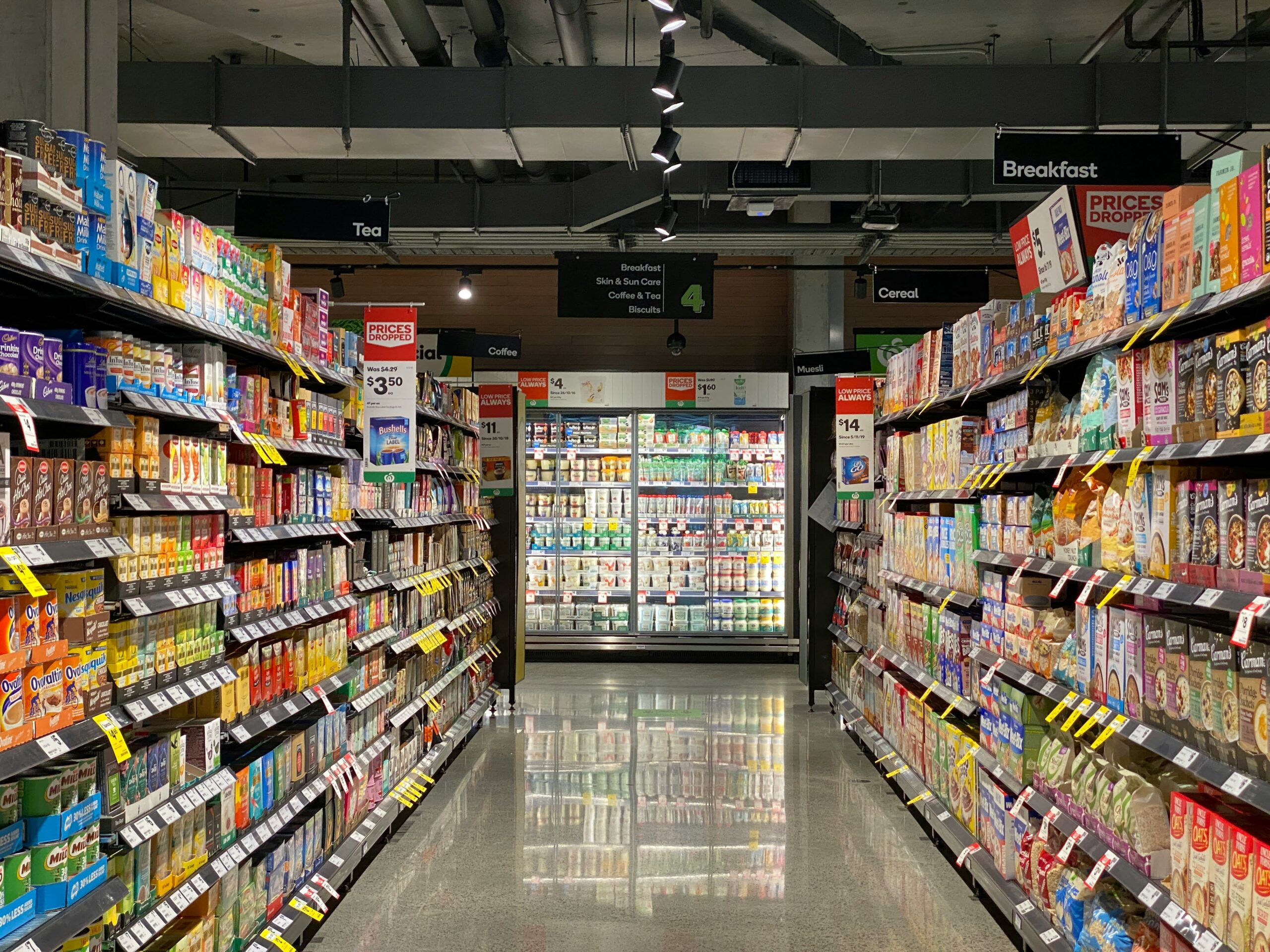
A cyberattack that disrupted refrigeration systems across hundreds of French supermarkets has turned an everyday piece of retail equipment into a national security concern. The incident spoiled fresh and frozen food, caused operational disruption and showed how a digital intrusion can quickly create physical and economic damage.
The episode has also revived debate over artificial intelligence and cyber risk. But investigators have not publicly established that AI was used in this attack. Reporting and technical advisories instead point toward a more familiar weakness: internet-connected refrigeration controllers that were outdated, exposed or insufficiently protected.
What happened in French supermarkets
During the night of October 11–12, attackers remotely manipulated refrigeration controls used by several French retail chains. Temperatures in some units climbed to around 50°C, leaving stores to discard perishable goods and assess equipment damage. French Finance Minister Roland Lescure said about 700 of the country’s roughly 10,000 supermarkets had been affected, although reported totals have varied as operators assessed the disruption.

Systems associated with major chains including Intermarché, Netto, Coopérative U, Carrefour and Monoprix were among those reported affected. The attackers have not been publicly identified, no group has credibly claimed responsibility, and officials have not established a motive. The incident caused tangible losses without a publicly reported ransom demand.
Why the incident is not evidence of an AI-led attack
The attack arrived amid intense debate about the risks of increasingly capable AI systems. Yet the available evidence does not show that an AI model carried out the intrusion or that autonomous software was involved. Cybersecurity specialists have pointed instead to conventional techniques: finding systems exposed to the internet and taking advantage of weak access controls or old software.
That distinction matters. AI can help malicious actors research targets, develop code or scale activity, and it may lower the cost of some cyber operations. Those broader risks are real, but they should not be confused with evidence about a specific incident. In this case, the core lesson is that basic security failures in connected equipment can be enough to cause widespread harm.
Also Read: Sharjah Police Arrest 33 in Cross-Border Cybercrime Crackdown
Exposed systems and long-known security gaps
France’s national cybersecurity agency, ANSSI, issued an alert identifying compromises involving remote refrigeration-control equipment from Danfoss, Copeland and Dixell. The affected product families included Danfoss AK-SM and AK-SC controllers, as well as Copeland and Dixell XWEB systems. The agency warned that exposing management interfaces directly to the internet runs against basic security practice.
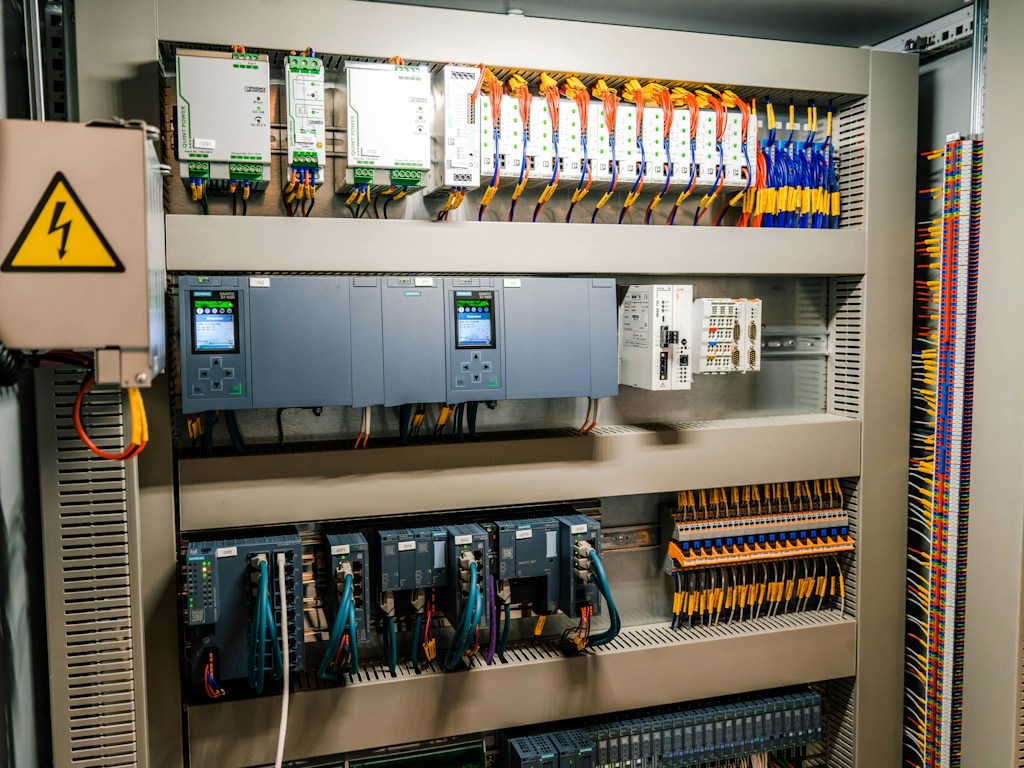
Some affected devices were older products no longer receiving regular security updates. Such systems can remain in use for years because replacing industrial equipment is expensive, downtime is disruptive, and responsibility may be split between store operators, equipment manufacturers and maintenance contractors. These arrangements can leave nobody with a complete inventory of what is connected and who is responsible for securing it.
Retail refrigeration is a form of operational technology: software and networked devices that affect physical processes. Unlike a compromised email account, a compromised controller can alter a real-world environment. The consequences can include spoiled stock, equipment damage, lost revenue and potentially dangerous conditions if alarms or response procedures fail.
The wider food-security risk
The attack did not demonstrate that France’s national food supply was about to run out. Officials said the country’s overall food supply was not at risk, and retailers continued working to recover. But it exposed a vulnerability at a point where food quality depends on reliable temperature control and tightly coordinated logistics.
The risk extends beyond supermarket aisles. Cold-chain equipment is used in food warehouses and other temperature-sensitive settings, including pharmaceutical storage. Authorities have not reported that the French attack reached vaccine storage or other medical systems; the concern is that similar weaknesses could exist wherever remotely managed equipment is connected without adequate protection.
A separate cybersecurity incident affecting Dutch retailer Ahold Delhaize also disrupted online services and deliveries. Dutch authorities said they had no reason to believe it was directly linked to the French attack. The incidents should not be conflated, but together they underline how heavily modern retail depends on digital systems for both online commerce and physical supply operations.
What retailers and authorities need to do next
For retailers, the immediate priorities are to identify every connected controller, remove unnecessary public-internet exposure, restrict remote administration to trusted networks, change default or weak credentials, and install supported firmware and security updates. Where updates are not available, operators need documented compensating controls and a plan to replace end-of-life equipment.
Companies should also separate refrigeration and other operational technology from ordinary office networks, monitor unusual changes to temperatures and control settings, test alerts, and make sure staff know how to operate safely if remote management fails. Contracts with vendors and maintenance providers should clearly assign responsibility for updates, access permissions, incident notification and recovery.
Authorities continue to investigate the French incident, and the identity and motivation of the attackers remain unresolved. The episode is a reminder that resilience does not depend on adopting the newest AI tool. It starts with knowing what equipment is connected, limiting access, maintaining software and preparing for a failure before it affects customers.
Also Read: US and China Open AI Incident Channel After Trump-Xi Summit: What It Means
ForensicTimes · forensictimes.com · Global Investigative Journalism on Crime, Justice, and Forensic Science · This report reflects verified open-source reporting current as of publication. © 2026 ForensicTimes. All Rights Reserved.