












The Ninth Circuit Court of Appeals questioned the Justice Department’s emergency effort to make California set aside ballots associated with about 20,000 registered voters federal agencies have flagged as possible noncitizens. The unusual appeal was heard on Sunday, October 25, before the district judge had ruled on the underlying request, and the appellate panel did not issue a decision at the hearing.
The dispute puts two principles in direct tension: federal law bars noncitizens from voting in federal elections, while states administer election procedures under a constitutional framework that limits how and when federal courts can order last-minute changes. The government’s list remains contested, and the case has not established that the flagged voters unlawfully voted.
What the Justice Department is seeking
The Justice Department sued California and state election officials on October 15. It alleges that federal agencies identified more than 20,000 people who may be noncitizens but are registered voters and were sent vote-by-mail ballots. The department asked the courts to require state and county officials to isolate ballots associated with those individuals and withhold them from tabulation until citizenship can be confirmed.
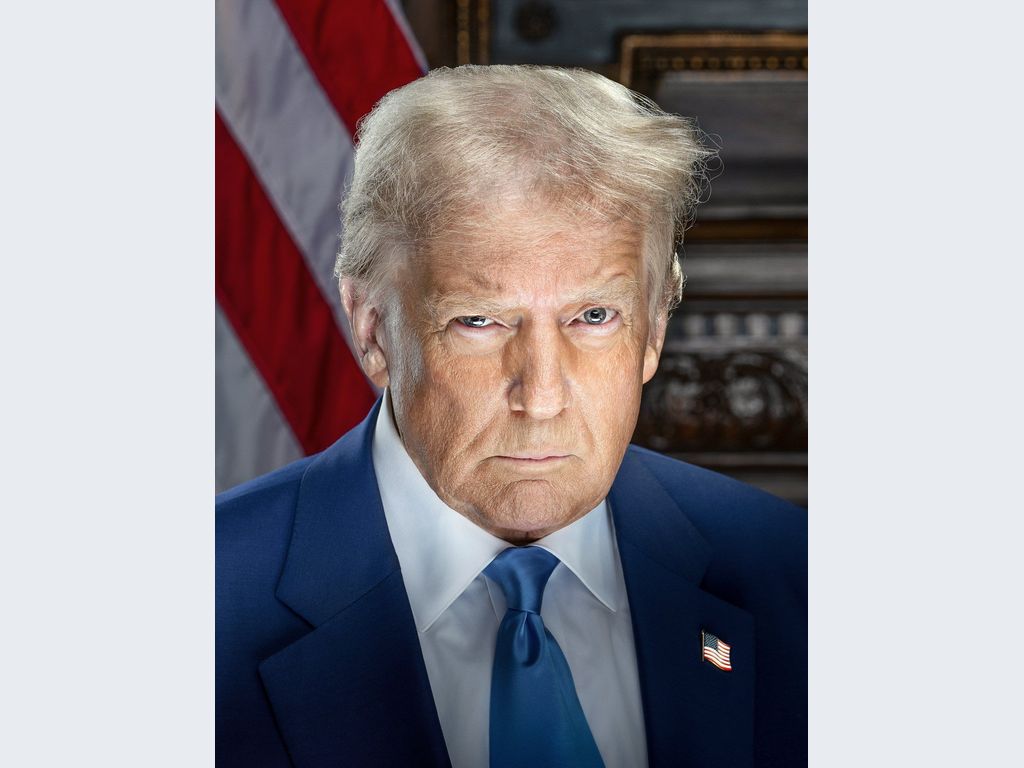
The government has described its approach as a measure to protect election integrity, rather than a cancellation of registrations. Its position is that noncitizen voting is prohibited under federal law and that California should verify citizenship before counting the affected ballots.
California and Los Angeles County dispute both the reliability of the list and the requested remedy. State officials say California’s existing process includes mailing ballots to active registered voters and checking signatures on returned ballot envelopes. The state argues that federal authorities have not shown that the data match accurately identifies the individuals or proves that any person cast an unlawful vote.
Why the appeal is unusual
The federal case is before U.S. District Judge David O. Carter in Los Angeles. The judge scheduled a hearing on the government’s request for a temporary restraining order for October 27. The Justice Department appealed before that hearing and before the district court issued a ruling, arguing that the delay effectively denied urgent relief.
That procedural posture became a central issue at Sunday’s Ninth Circuit hearing. Judges questioned whether the appeals court had an order it could review and whether it should intervene while the lower court was preparing to consider the factual record. Questions also focused on whether the requested order would interfere with California’s authority to set the mechanics of its elections shortly before Election Day on November 3.
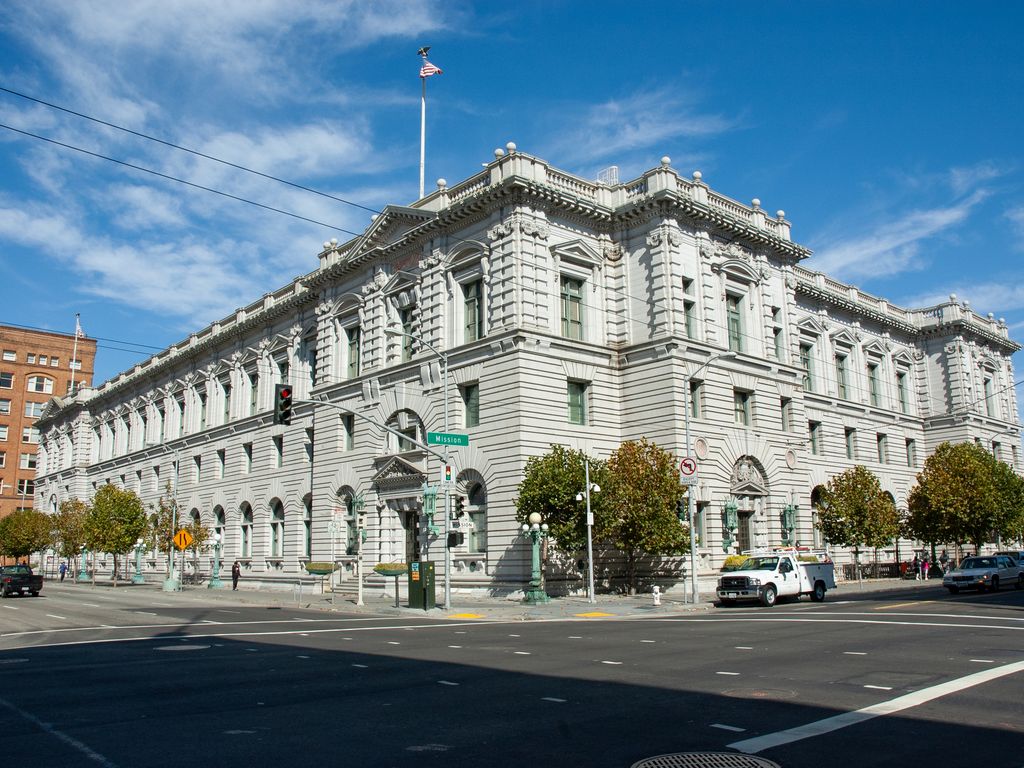
The hearing did not resolve the merits of the allegations. Skepticism from members of the panel is not a ruling, and the emergency request remains distinct from the district court’s examination of the evidence and legal arguments.
Also Read: Iowa Senate Rivals Pitch Independence as Hinson and Turek Court Voters
The disputed list and ballot-handling problem
The dispute is not simply about whether federal law prohibits noncitizens from voting in federal elections. The central evidentiary question is whether the data supplied by federal agencies reliably identifies voters who are ineligible, and whether a court can require ballots to be withheld on that basis before citizenship is individually confirmed.
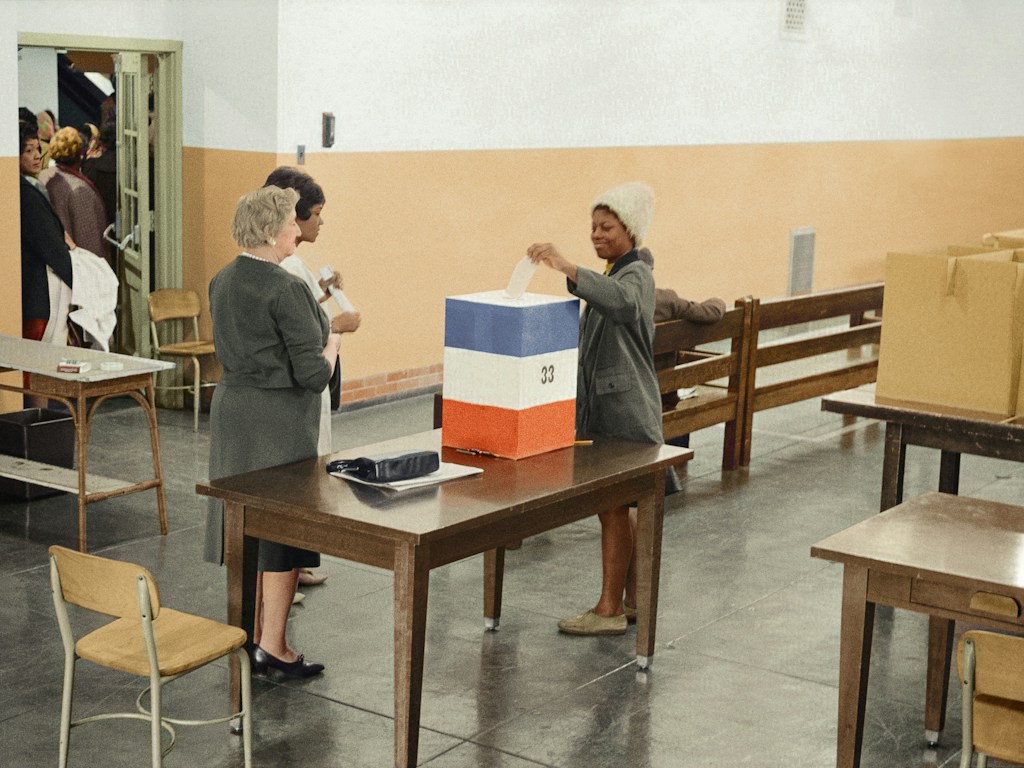
Los Angeles County officials have said a preliminary review of a subset of names found mismatches, including people who were U.S.-born, not currently registered, or had no voting history. The Justice Department has defended its use of voter-registration records and federal immigration data, but the appeal also drew questions about the provenance of the list and the third-party information used to enrich it.
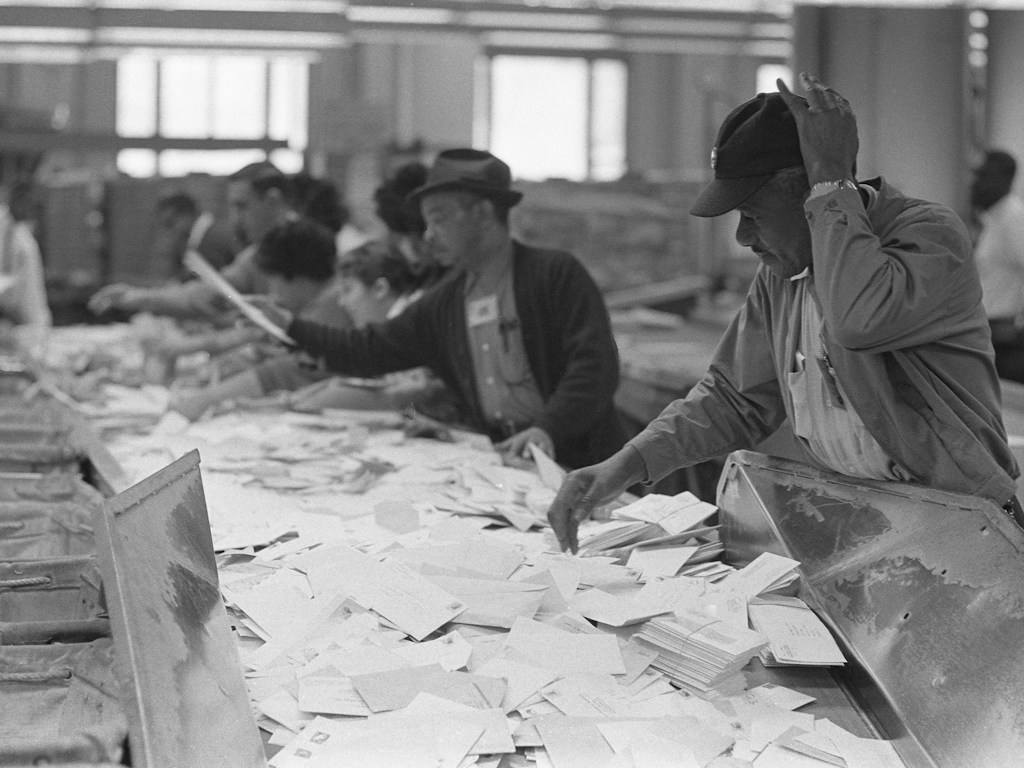
There is a practical problem as well. California election officials say that once a mail ballot is separated from its return envelope and mixed with other ballots for counting, it may no longer be possible to identify and remove it by voter. The state argues that complying with the request this close to the election could disrupt established processing, while the department says waiting could make the requested review impossible.
The legal test and next steps
Federal law, including 18 U.S.C. Section 611, prohibits noncitizens from voting in federal elections. The Justice Department argues that the Supremacy Clause gives the federal government grounds to stop state procedures that would facilitate violations of that prohibition. California counters that a criminal ban on individual voting does not automatically create authority for the executive branch to control how state officials handle ballots through a civil injunction.
The broader constitutional question concerns the Elections Clause, which assigns states a central role in administering federal elections while giving Congress authority to alter election regulations. The case asks how that division applies when federal officials rely on an unverified list and seek a court order that could change ballot processing days before voting concludes.
The next clear milestone is the district-court hearing scheduled for October 27. The case could determine whether officials must take additional steps to verify the flagged voters, whether the requested remedy is legally available, and how federal agencies can challenge state election processes on an emergency basis. Until a court makes findings, the 20,000 figure should be understood as a contested government flag list, not a proven count of unlawful votes.
Also Read: Burnham Says Russia Interfered in Brexit Vote
Forensic Times