




















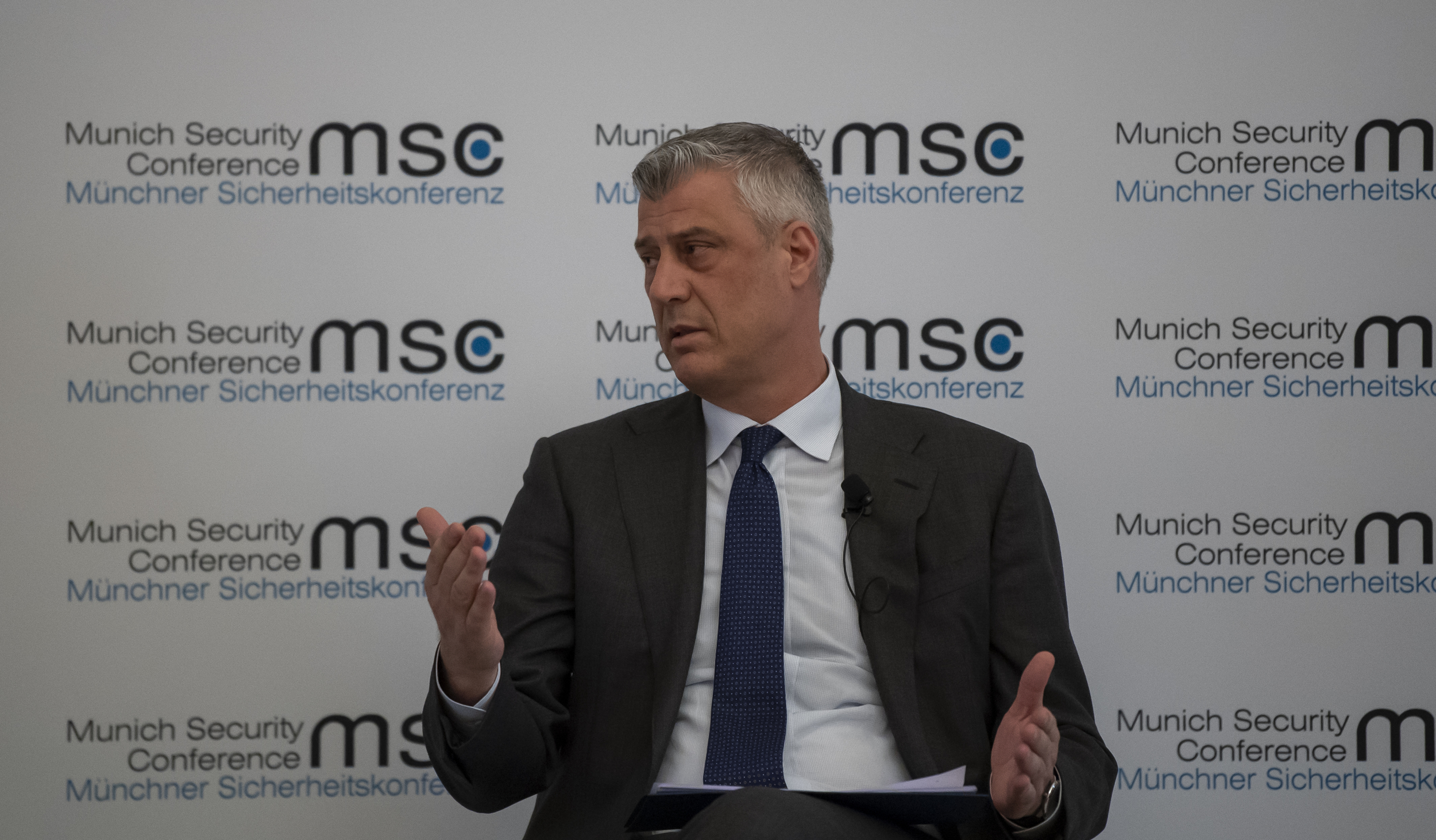
The Kosovo Specialist Chambers in The Hague sentenced former Kosovo president Hashim Thaçi to 25 years in prison on 16 September 2026, finding him criminally responsible for war crimes committed during the 1998–99 Kosovo conflict. The judgment covers murder, torture, cruel treatment and arbitrary detention connected to people the Kosovo Liberation Army (KLA) regarded as political opponents or collaborators with Serbian forces.
The verdict is one of the most consequential war-crimes judgments involving a former head of state from the Balkans. It is also a first-instance ruling, not the end of the legal process: the court has set 27 November 2026 as the deadline for the parties to file notices of appeal.
ALSO READ: The Evidence Is There: Forensic Science and the Prosecution of War Crimes
What the Kosovo war-crimes court found
The Trial Panel found the four former KLA leaders criminally responsible for arbitrary detention involving 385 people, cruel treatment of 49, torture of 303 and the murder of 96. The judges concluded that the accused made significant contributions to a common criminal purpose targeting people perceived as opposing the KLA’s political or military goals.
The findings concern individual criminal responsibility for acts established through the case record. They do not amount to a ruling on every event during the Kosovo war, nor do they determine the legitimacy of Kosovo’s later declaration of independence. The court assessed the specific charges against the defendants under the applicable criminal standard.
ALSO READ: Open Sources, Hard Evidence: OSINT Analysts and War-Crimes Investigations

Why the crimes-against-humanity charges were dismissed
The panel did not convict the defendants of crimes against humanity. It found that prosecutors had not proved beyond a reasonable doubt that a widespread or systematic attack directed against a civilian population had taken place, as required for those counts. The panel also found the accused not guilty in connection with a number of specific alleged war-crime incidents.
This distinction is important for readers following international criminal justice. A court may find certain war crimes proven while acquitting defendants on other charges because the legal elements differ and each count must be established on the evidence. The acquittals on the crimes-against-humanity counts do not erase the war-crime convictions.
ALSO READ: Nord Stream Charges: Evidence and War-Crime Questions
Thaçi’s 25-year prison sentence
Thaçi was sentenced to 25 years’ imprisonment, with credit for time already served. The other former KLA leaders convicted in the same proceeding received prison terms of 18 years for Kadri Veseli, 13 years for Rexhep Selimi and 25 years for Jakup Krasniqi. Prosecutors had sought a longer, 45-year sentence for Thaçi.
The case followed years of investigation and a trial that began in April 2023. The evidentiary proceedings included testimony from 134 witnesses, according to the court’s case information, and 156 victims were participating in the proceedings by the time of the judgment. The issues before the judges included the treatment of detainees, alleged abuse in detention facilities and the responsibility of senior figures in the wartime chain of command.
ALSO READ: How Satellite Data and Digital Evidence Support War-Crimes Cases
The co-defendants and the wider case
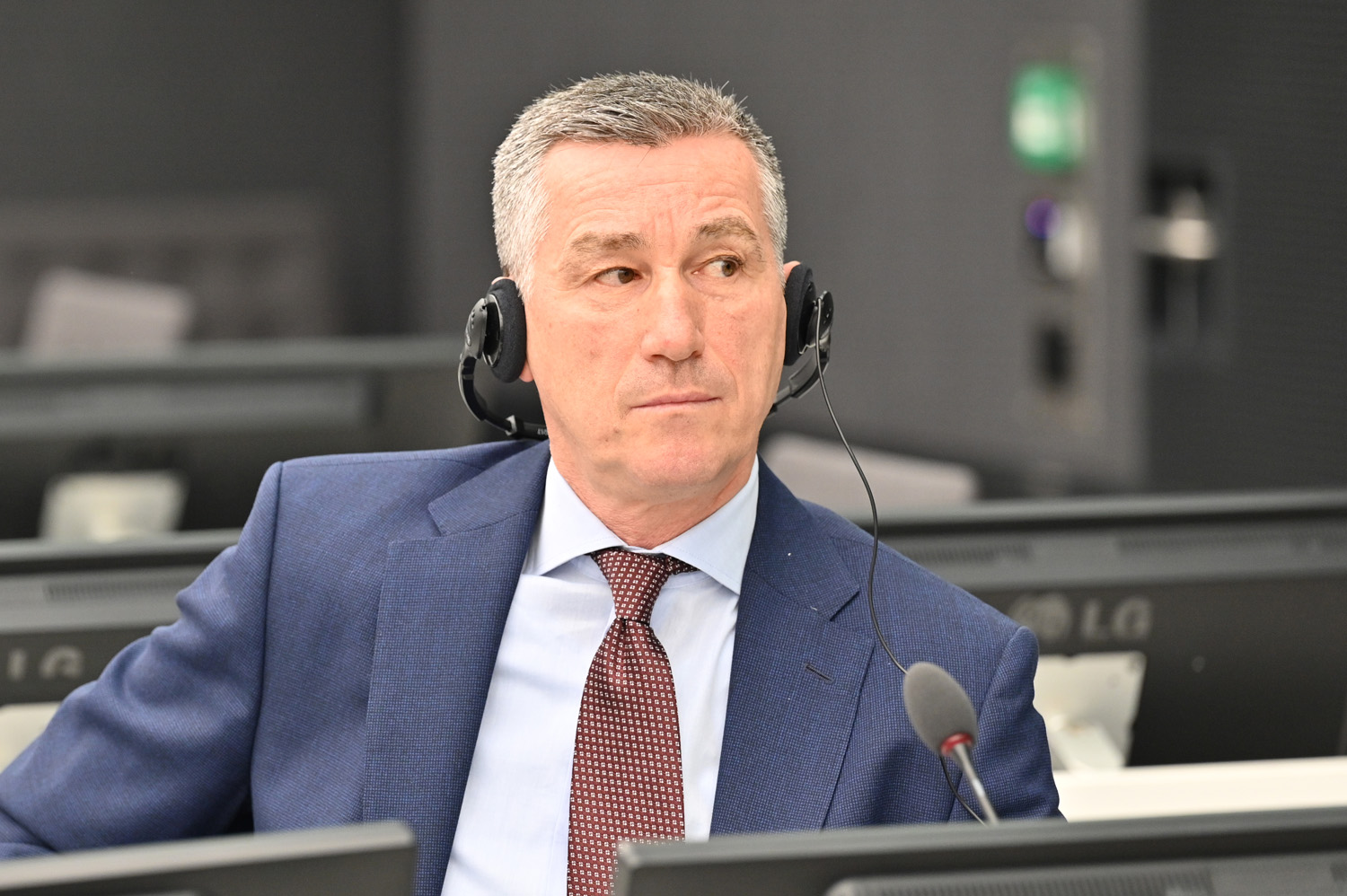
The trial considered the responsibility of four former KLA leaders, rather than treating the organisation or the wider independence movement as a single defendant. The court’s findings focused on alleged detention, mistreatment and killings of people regarded as opponents or collaborators. That legal framing matters in a conflict where competing historical narratives remain deeply contested.
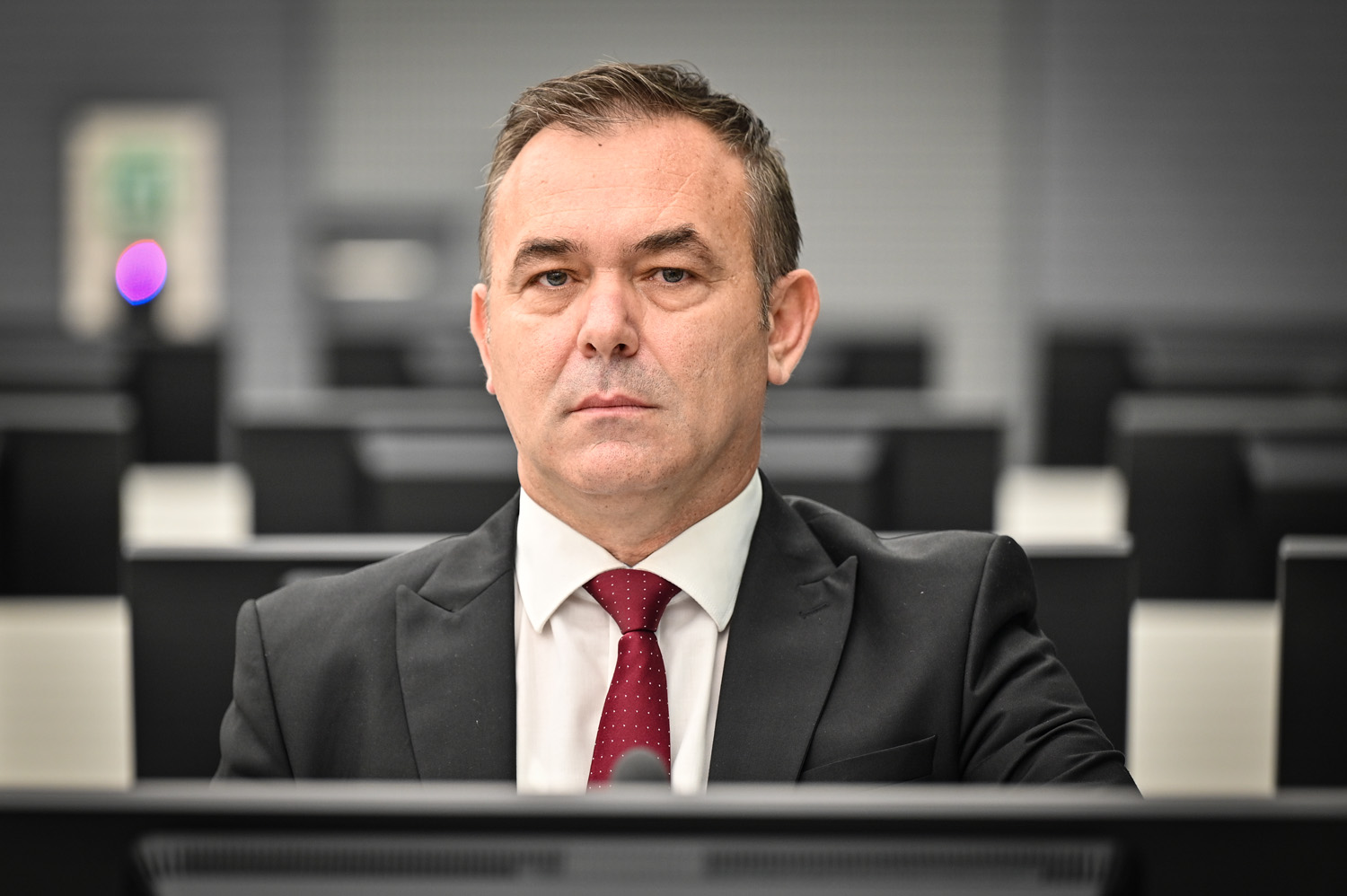
Veseli’s 18-year sentence, Selimi’s 13-year term and Krasniqi’s 25-year sentence reflect the panel’s individual findings in the same case. Their convictions, like Thaçi’s, remain subject to the appeals process. The ruling should therefore be described as a trial judgment rather than a final, unappealable determination.
ALSO READ: Open Sources, Hard Evidence: OSINT Analysts and War-Crimes Investigations
Appeals: what happens next
On 29 September, the Appeals Panel extended the time available to the defence and the Specialist Prosecutor’s Office to file notices of appeal, setting 27 November 2026 as the deadline. As of 16 October, the judgment is not final. The appeal process can challenge legal findings, the assessment of evidence or the sentences, but it does not automatically overturn the trial court’s decision.
The next stage will test how the judgment withstands legal review. That process is especially significant in complex war-crimes proceedings, where judges must assess evidence from a conflict zone, testimony about detention and abuse, and the connection between senior leaders and crimes committed by others. The appeals outcome will determine which findings and sentences remain in force.
ALSO READ: Forensic Science and Satellite Data in War-Crimes Prosecutions
Why the verdict matters for Kosovo and international justice
Thaçi was a central political figure in Kosovo’s movement for independence and later served as prime minister and president. His conviction has intensified debate about wartime accountability, the legacy of the KLA and the distinction between recognising a political cause and prosecuting specific crimes committed in its context. Kosovo’s government and supporters of the former leaders have challenged the judgment, while victims’ families have long pressed for accountability for wartime abuses.
The Kosovo Specialist Chambers were established under Kosovo law and operate in The Hague with international judges and staff. Their mandate covers crimes within a defined period related to the 1998–2000 conflict. The court is not a substitute for a complete historical account; its role is to decide individual criminal responsibility for the charges brought before it.
ALSO READ: Nord Stream Charges: Evidence and War-Crime Questions
For readers tracking forensic science, crime reporting and international law, the case illustrates how accountability depends on documenting individual acts, evaluating witness testimony and testing evidence against strict legal requirements. Its significance will continue to evolve as the parties consider appeals.
Also Read
ForensicTimes · forensictimes.com · Global Investigative Journalism on Crime, Justice, and Forensic Science · This report reflects verified open-source and wire reporting current as of publication. © 2026 ForensicTimes. All Rights Reserved.