
























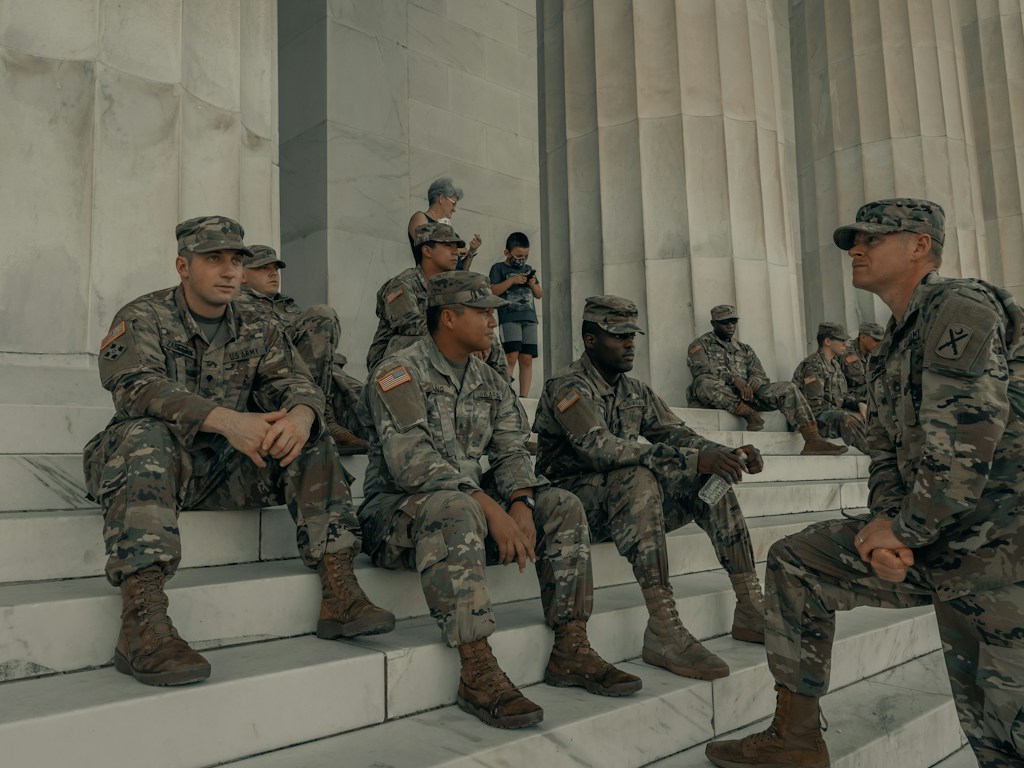
The Trump administration is accelerating research and regulatory pathways for psychedelic-based mental health treatments, putting a large population of veterans with post-traumatic stress disorder and depression in focus. But a VA adviser has warned that early access is likely to reach only a small fraction of those who may need care.
At a recent policy forum, a senior Veterans Health Administration adviser said about 2.1 million veterans who receive regular VA healthcare have PTSD, major depressive disorder or treatment-resistant depression. That figure describes the scale of potential need, not the number of people clinically eligible for psychedelic treatment or likely to benefit from it.
What Trump’s order changes
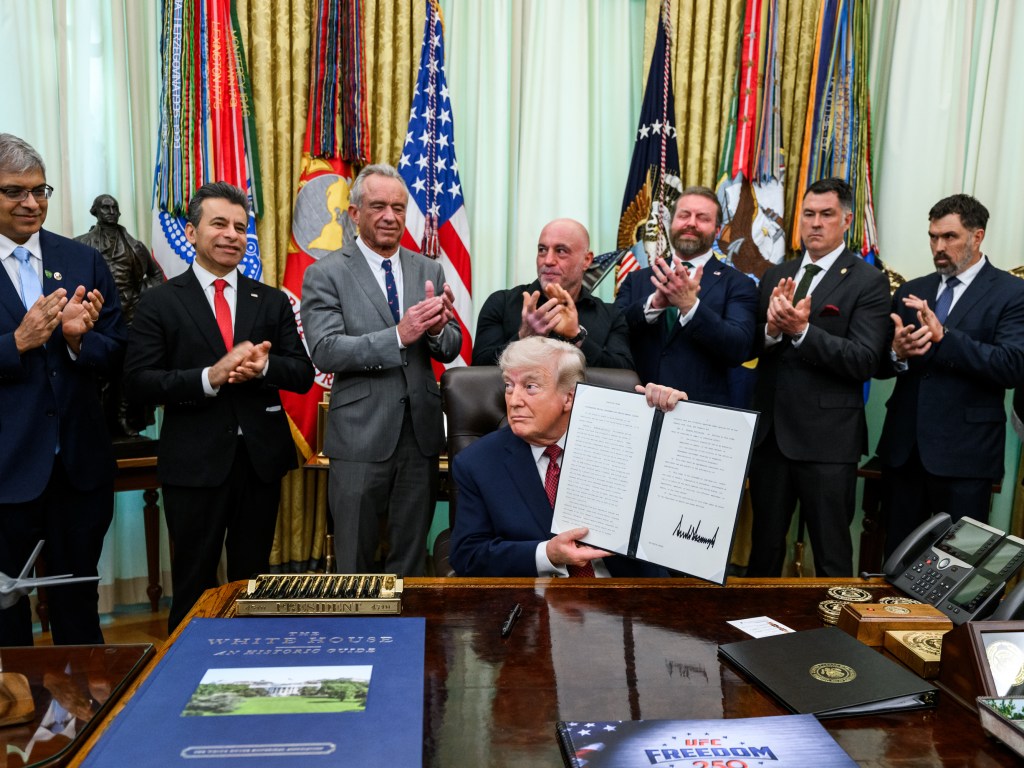
On April 18, 2026, President Donald Trump signed an executive order directing federal agencies to speed the study and review of psychedelic medicines for serious mental illness. It calls for faster review of qualifying drugs with FDA breakthrough therapy designation, a pathway for certain eligible patients to access investigational medicines under the federal Right to Try framework, and at least $50 million in federal support to match state investments in psychedelic research programs.
The order also directs the Department of Health and Human Services, the Food and Drug Administration and the Department of Veterans Affairs to improve coordination around clinical-trial participation and data. It asks the attorney general to review rescheduling for qualifying substances after successful Phase 3 trials and FDA approval, where legally appropriate.
The order is not itself a blanket approval of psychedelic medicines, does not make these treatments routine VA care and does not automatically remove controlled-substance restrictions. FDA review, drug-specific evidence and the legal requirements for each substance continue to apply.
Clinical trials are moving ahead
The VA has begun a controlled trial of psilocybin for veterans with treatment-resistant major depression, including participants who also have PTSD. The study compares two dose levels at five VA healthcare locations and includes medical screening, psychological support and safety monitoring. The agency has said it is also involved in 20 active trials focused on psychedelic therapies for mental health conditions.
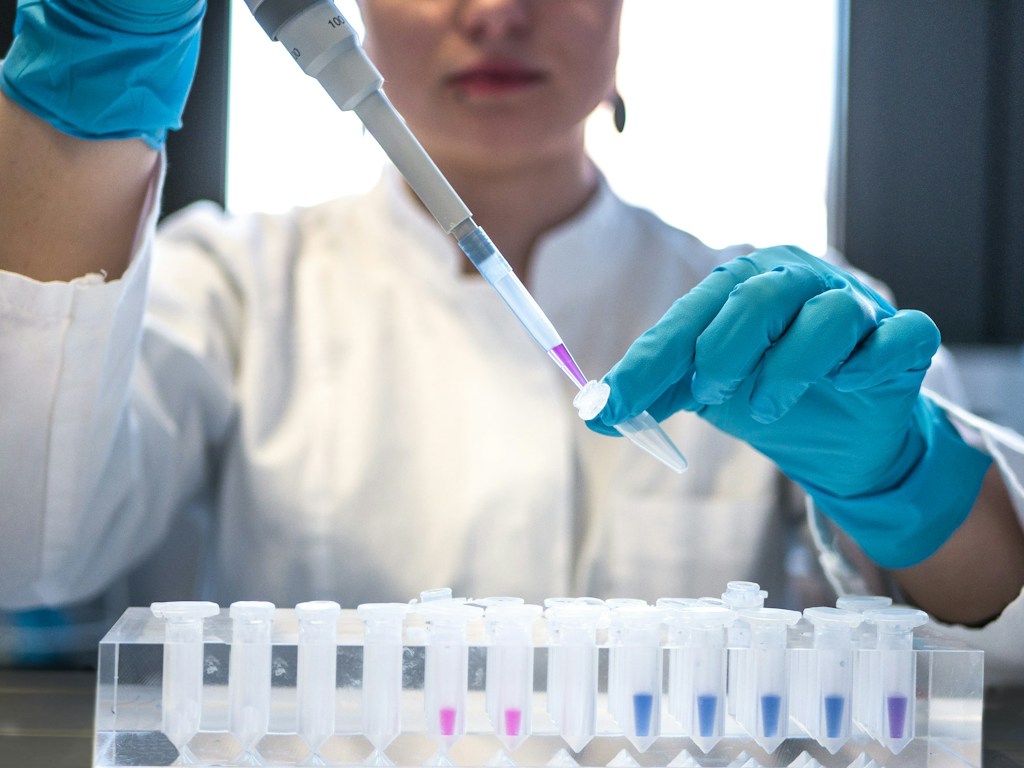
A separate VA trial announced in May is evaluating MDMA-assisted therapy for severe mental health disorders, including PTSD and alcohol use disorder, in a study expected to enroll about 80 veterans. The trials are designed to establish safety and efficacy under controlled conditions. They are not evidence that the same medicines are ready for general prescribing.
Different substances also have different evidence profiles and risks. Psilocybin, MDMA and ibogaine should not be treated as interchangeable therapies, and findings from one drug cannot establish whether another is safe or effective for the same condition.
Also Read: When Suicide Becomes a Forensic Question: Lessons from Southern Brazil
Why access may remain limited
The VA adviser described a phased rollout with ten initial sites under consideration or preparation. He warned that the interventions are labour-intensive and resource-intensive, requiring trained clinical teams and careful patient support. He said it would be difficult to treat even a four-digit number of patients in the first year if the most optimistic approval timeline were achieved, and that demand would exceed the system’s initial capacity.

That gap matters because the estimated 2.1 million veterans with relevant diagnoses are not a ready-made treatment queue. Eligibility will depend on the specific medicine, the condition being treated, prior treatment history, clinical screening, contraindications, the approved label and available trained providers. A national policy can speed research, but it cannot instantly create facilities, staff or a sufficient body of long-term safety data.
The scale of the broader mental-health challenge is clear. The VA’s 2026 annual report recorded 6,488 veteran suicides in 2024, an average of 17.7 per day. The report also found that 62 percent of veterans who died by suicide had not received VA healthcare in the year of death or the year before. Those figures underline why treatment access and outreach remain as important as drug development, without proving that any particular experimental therapy will reduce suicide rates.
Safety, evidence and approval still matter
The regulatory history offers a warning against equating early promise with established care. In 2024, the FDA did not approve MDMA-assisted therapy for PTSD and sought more evidence after concerns about the clinical-trial data and safety. The decision showed that an expedited research designation does not guarantee approval.
Ibogaine poses its own safety questions, including the risk of potentially fatal cardiac rhythm disturbances. In October, the FDA sought public input on approaches to early-phase clinical trials of ibogaine products, a step in research design rather than a treatment authorization. Psychedelic therapies must be evaluated medicine by medicine, with evidence strong enough to guide clinicians on who may benefit, who may be harmed and what monitoring is required.
The immediate test for the administration is therefore practical as well as scientific: whether faster pathways can produce reliable evidence, trained services and a fair method for prioritising patients. Veterans who are struggling should not stop established treatment or attempt to self-medicate with psychedelic substances on the strength of a policy announcement.
Also Read: Indigenous Children Are Dying by Suicide. Is Brazil Asking the Right Questions?
Forensic Times Investigative Desk
This report distinguishes announced policy, clinical research and established treatment. Potential benefits remain subject to drug-specific evidence, safety evaluation and regulatory approval.