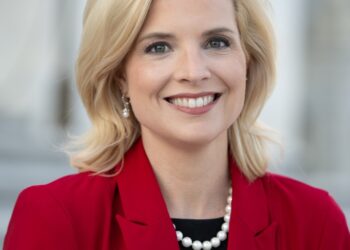

















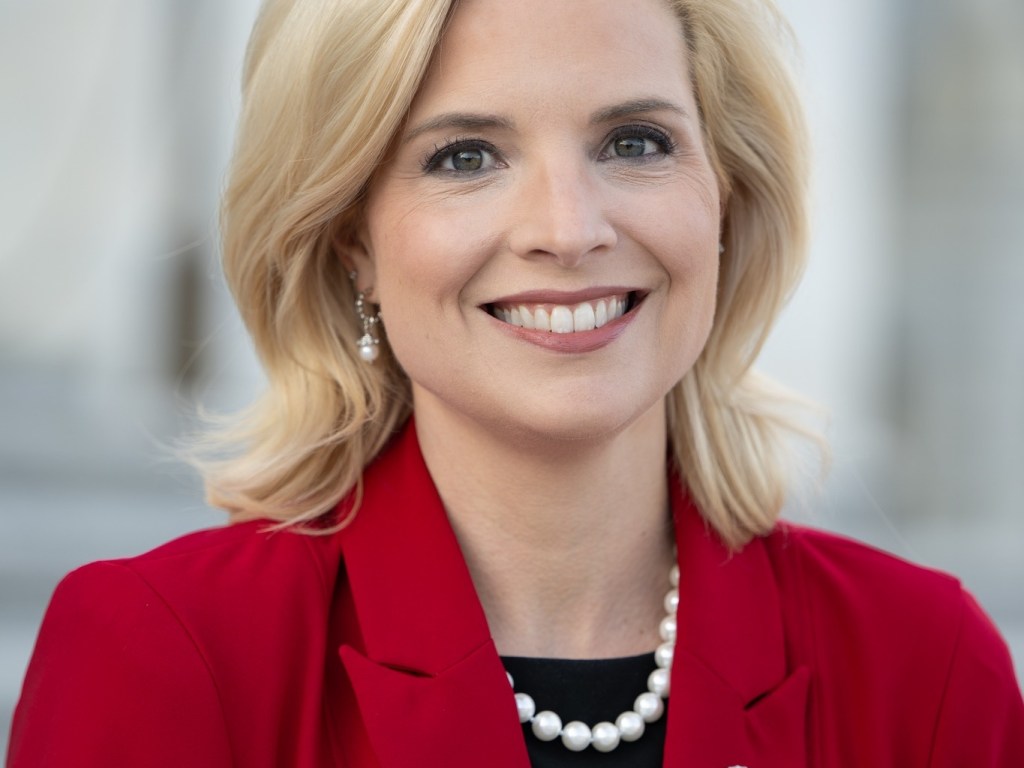
The Iowa Senate race is becoming a test of how candidates define independence. Republican Ashley Hinson and Democrat Josh Turek are each arguing that voters should trust them to put state interests ahead of party loyalty as the November 3 midterm election approaches.
The contest is for the seat being vacated by Republican Senator Joni Ernst. With Iowa leaning Republican in recent presidential elections but economic pressures weighing on voters, both nominees are trying to appeal beyond their core supporters without alienating their party bases.
Hinson’s case for independence from Trump
Hinson has been endorsed by President Donald Trump and initially presented herself as a strong ally for his agenda in the Senate. Her more recent message is that support would depend on whether a policy benefits Iowa. In an interview aired Sunday on ABC’s This Week, she described cooperation with presidents of either party as a practical way to deliver results for the state.
That argument is complicated by the issues on which she has disagreed with Trump. Hinson has criticized moves involving Russia, objected to easing pressure on Vladimir Putin, and called for the Iran conflict to end. At the same time, she has said she trusts the president and the military to determine a course intended to prevent Iran from obtaining a nuclear weapon.
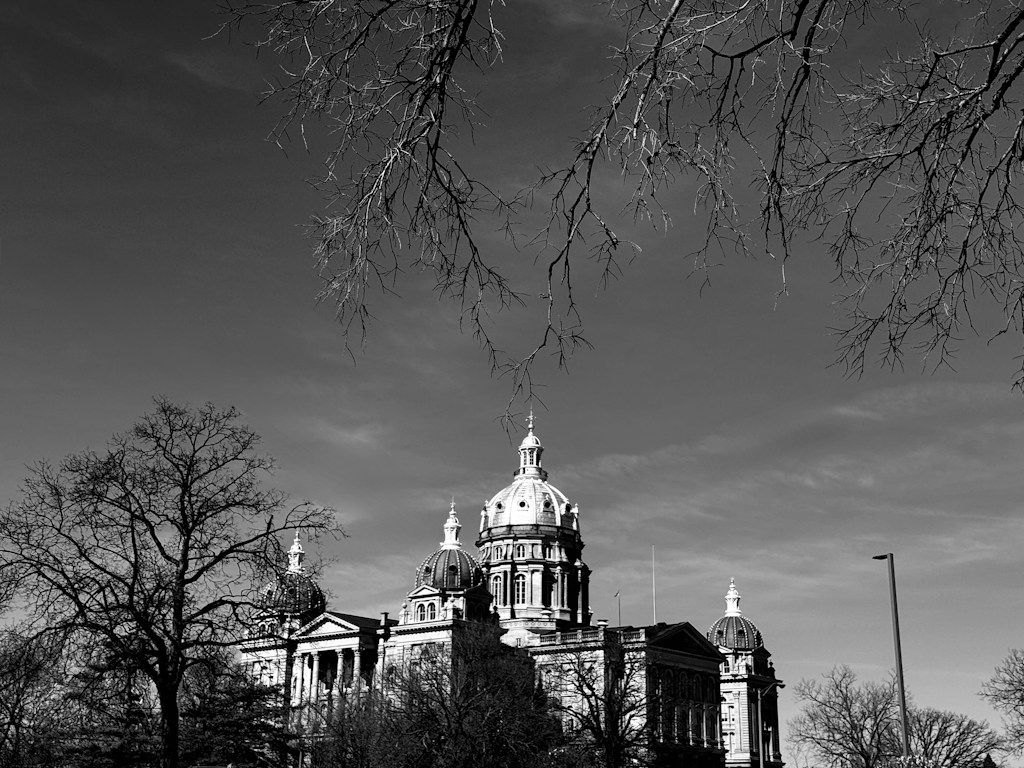
For Hinson, the distinction is between working with the White House and accepting every presidential decision. She argues that Iowans want an elected senator who can press for farm, energy and economic priorities even when that means disagreement with a Republican president.
Turek’s bipartisan and populist pitch
Turek is presenting his Democratic candidacy as a practical alternative to partisan conflict. He describes his approach as common-sense prairie populism and points to his record in a heavily Republican state legislative district as evidence that he can attract voters who usually support Republicans.
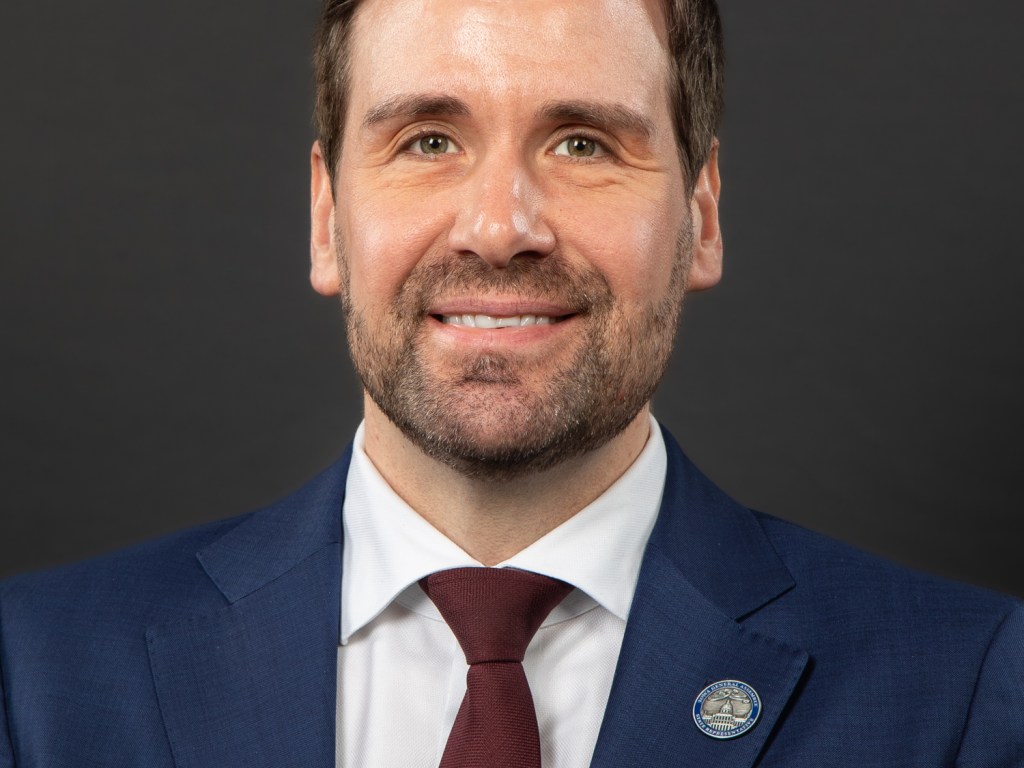
Turek has also said he would work with Trump on issues where they agree, including border enforcement and selected tax policies. His criticism is that the administration’s approach to tariffs, foreign conflicts and the Republican tax legislation is putting additional pressure on households and weakening access to healthcare.
The strategy is deliberate: Turek is not asking conservative voters to abandon every Republican position. He is arguing that they can support a Democrat who shares some priorities while disagreeing with party leaders on others. The campaign is also seeking support from Republicans who see him as a more independent option.
Also Read: US Senators Challenge Legality of Trump’s Russian Diesel Deal
Prices, healthcare and the rural vote
Both candidates are addressing cost-of-living concerns that have become central to the campaign. In a state where agriculture, small towns and rural healthcare services carry significant political weight, voters are focused on fuel costs, farm expenses, insurance premiums, housing and whether local medical providers can remain open.
Hinson has defended the Republican tax law as relief for families and says further action is needed to lower healthcare premiums and gasoline prices. Turek argues that cuts and new eligibility requirements could leave more Iowans exposed to rising medical costs. Those competing claims make the practical effects of federal policy a key test for both campaigns.
Turek has emphasized travelling to smaller communities rather than concentrating only on Iowa’s larger population centres. His campaign argues that household economics can cut across party lines. Hinson’s challenge is to show that she can retain Trump’s supporters while reassuring voters who disagree with parts of his agenda.
What voters will judge
Independence is a campaign claim, not a separate ballot category. Voters will have to judge it against each nominee’s record, policy commitments and willingness to explain where they would cooperate with their party and where they would dissent. The open seat is also on the national map because control of the closely divided Senate may depend on a small number of competitive races.
Hinson’s argument rests on access to the administration and the ability to use that relationship for Iowa. Turek’s rests on bipartisan voting, economic populism and a promise to work with people across party lines. Neither approach guarantees results. The clearest measure will be whether their proposed policies address the costs and services that Iowa voters say matter to them.
Also Read: Zelenskyy Rejects Trump Putin Comparison as Ukraine Rift Deepens
Forensic Times Investigative Desk
This report distinguishes documented campaign positions from analysis. Candidate promises are not guarantees of future policy outcomes.