














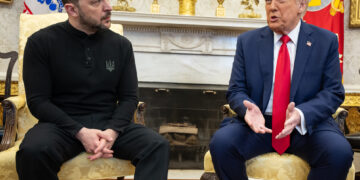







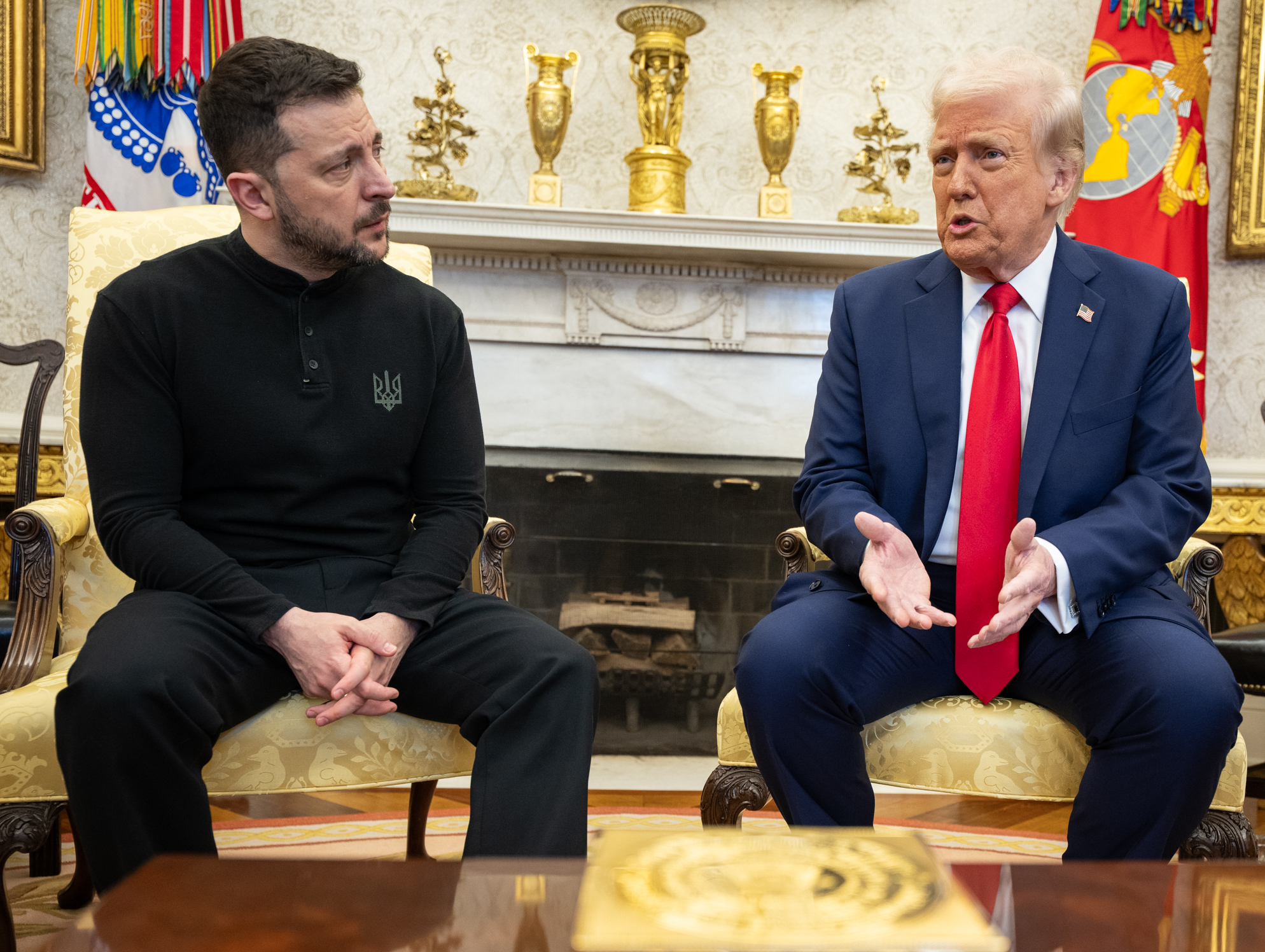
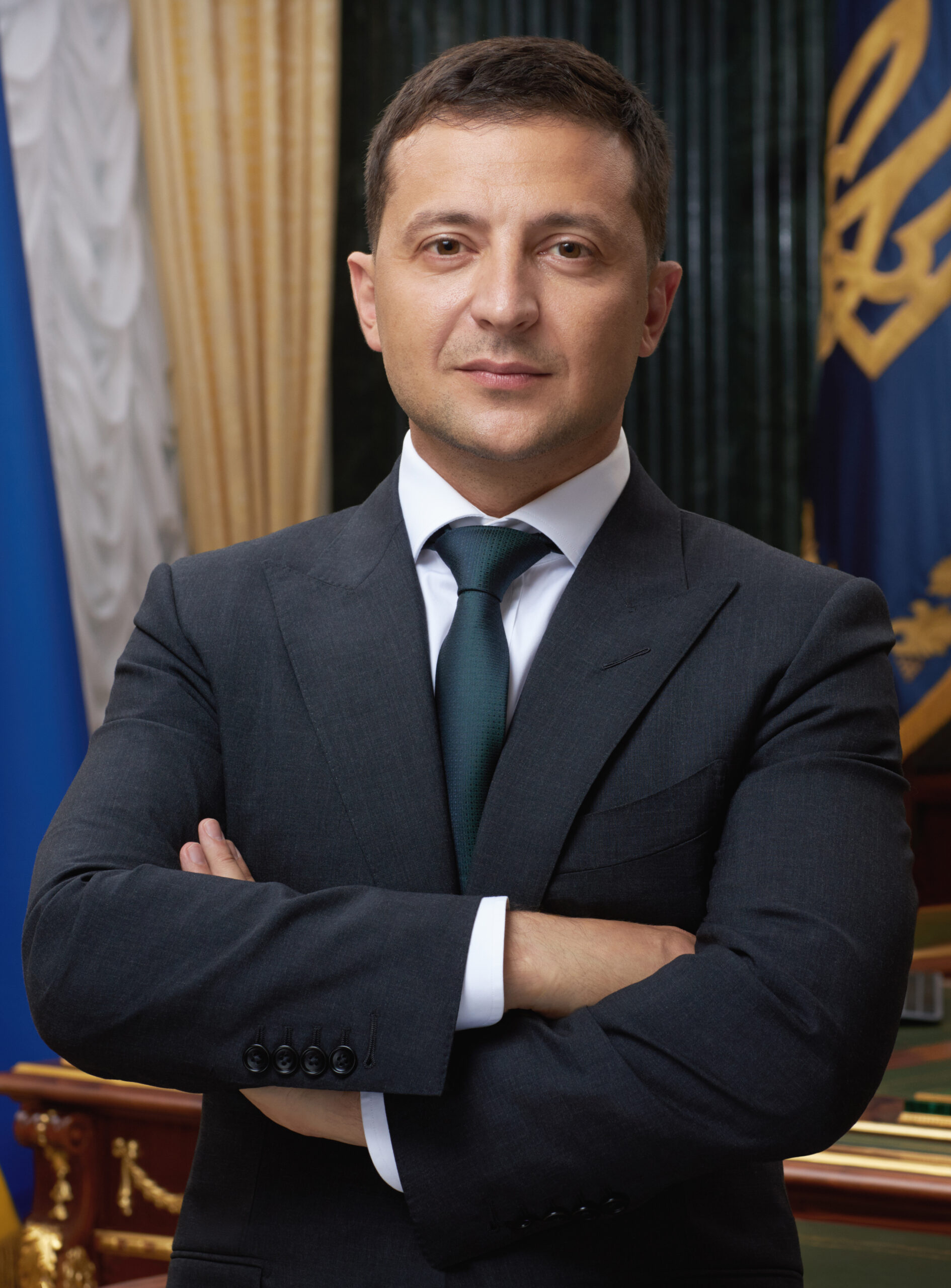
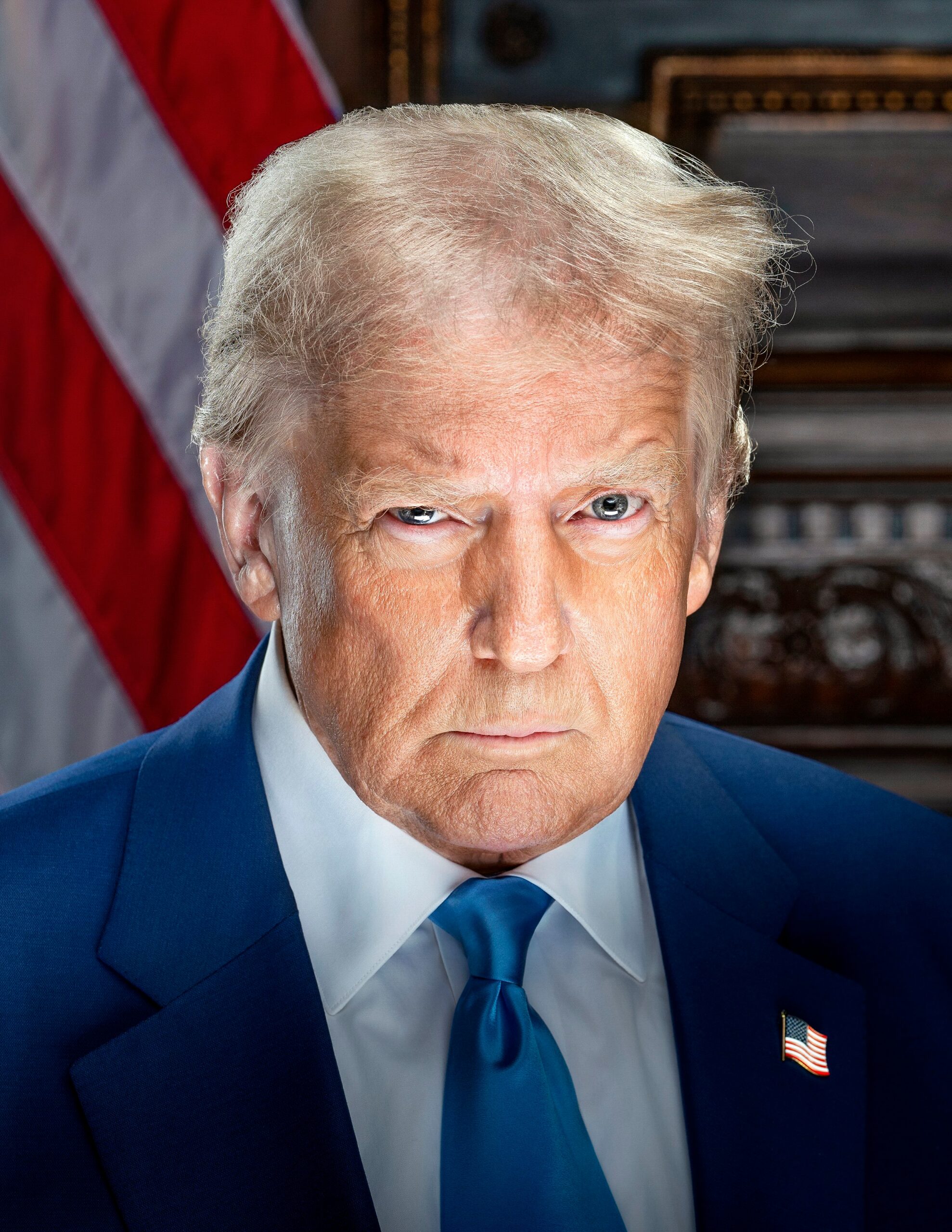
Ukrainian President Volodymyr Zelenskyy has pushed back against US President Donald Trump’s comparison of the difficulty of dealing with Kyiv and Moscow, arguing that Ukraine’s position cannot be separated from Russia’s invasion. The exchange has sharpened an already strained relationship at a critical point in the war.
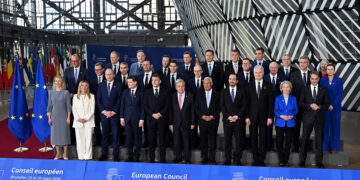
Speaking to Euronews at the European Union summit in Brussels on October 16, Zelenskyy said discussions with Trump remained possible, while negotiations with Russian President Vladimir Putin were fundamentally different. Two days later, Zelenskyy warned that a US decision to align openly with Russia would leave Ukraine in an extremely dangerous position, while still expressing hope that Trump would reconsider recent decisions.
What triggered the dispute
The immediate dispute follows Trump’s public suggestion that Zelenskyy is harder to deal with than Putin. Zelenskyy rejected the implied equivalence, pointing to Russia’s full-scale invasion, occupation of Ukrainian territory and the deaths of civilians. The contrast is not simply about personality: the two leaders occupy different positions in a war in which Ukraine is defending its internationally recognised territory against Russian military action.
The comments also arrive amid disagreements over Ukrainian attacks on Russian oil infrastructure, Washington’s approach to sanctions, and the future of US military and intelligence support. The White House has framed parts of its Russia policy as an attempt to secure a negotiated end to the war and limit economic disruption. Kyiv argues that easing pressure on Moscow while Russian attacks continue risks rewarding aggression before any durable settlement exists.
What the statements establish
The public record shows a dispute over negotiating strategy and the conditions for ending the war. It does not, by itself, establish that the United States has formally abandoned Ukraine or that a peace agreement is imminent. Public language, executive decisions and military assistance are different forms of evidence and should not be treated as interchangeable.
The practical indicators are more concrete: whether sanctions restrictions are suspended or waived, whether weapons deliveries and intelligence sharing continue, and whether any ceasefire includes monitoring, verification and consequences for violations. Reports that intelligence sharing has resumed complicate the picture of a complete rupture. The relationship remains adversarial in public rhetoric but functional in some operational channels.
The strategic stakes for Ukraine
Ukraine continues to depend on outside support for air defence, battlefield intelligence and some advanced military capabilities. A sustained reduction in US assistance would increase the pressure on Kyiv, even as European governments seek to expand their role. That leverage helps explain why Zelenskyy has criticised specific decisions while also signalling that he wants a workable relationship with Trump.
The Russian government, meanwhile, has an obvious strategic interest in fractures between Kyiv and Washington. A visible split can weaken coordination, raise doubts among allies and create opportunities to negotiate on terms more favourable to Moscow. That does not prove the Kremlin controls US policy; it means the effects of the dispute may benefit Russia whether or not that outcome was intended.
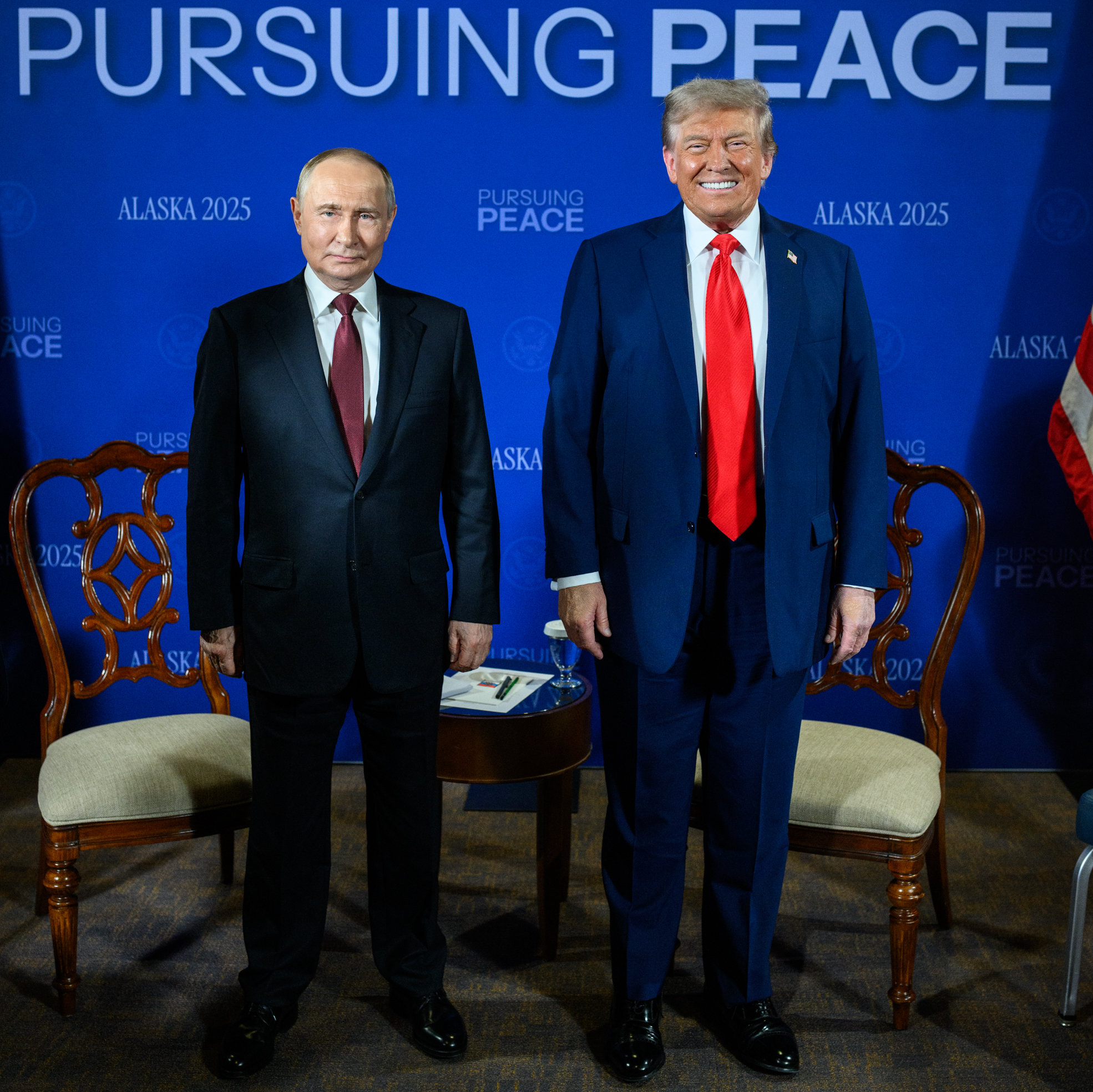
The core investigative question is therefore not who is easier to deal with. It is whether decisions made by Washington change the relative costs of continuing the war, the bargaining power of the parties, or the security guarantees available to Ukraine after a ceasefire. Those effects need to be measured against policy documents and operational outcomes, not inferred from a political exchange alone.
The legal framework
International law recognises a state’s inherent right of self-defence under Article 51 of the United Nations Charter when an armed attack occurs. Ukraine has invoked that right in defending itself against Russia’s invasion. That principle does not automatically determine the legality of every individual operation: military action must also comply with international humanitarian law, including distinction between military objectives and civilian objects, proportionality, and feasible precautions to protect civilians.
Whether a refinery or other energy facility may lawfully be attacked depends on the facts, including whether the facility makes an effective contribution to military action and whether its destruction offers a definite military advantage in the circumstances. Civilian infrastructure is not automatically a lawful target because it has economic value or belongs to the opposing state. Likewise, a political leader’s claim about the legality of a strike is not a substitute for an evidence-based assessment of the target, anticipated civilian harm and military purpose.
What investigators and policymakers should watch
The next test is whether public disagreement translates into policy change. Key evidence includes formal sanctions instruments, published exemptions, congressional action, defence and intelligence announcements, and the terms of any ceasefire proposal. Reports about satellite services or military support should be separated into what officials have confirmed, what one side alleges, and what independent evidence can establish.
A credible peace process would also need to answer who monitors compliance, how violations are documented, what happens after a breach, and whether Ukraine can make decisions about its own security. Without those safeguards, diplomatic progress could be temporary and difficult to enforce.
The exchange between Zelenskyy and Trump is politically significant, but it is not proof that the alliance has ended or that Moscow has secured a settlement. The more reliable measure is what changes on paper and on the ground: sanctions, aid, intelligence cooperation, attacks on infrastructure and enforceable terms for peace.
Forensic Times Investigative Desk
This report distinguishes public statements, reported policy developments and legal principles. Allegations about intent or responsibility are not treated as established facts without corroborating evidence.