






















Ukraine has resumed attacks on Russian oil infrastructure after President Volodymyr Zelenskyy said Kyiv would no longer observe the brief pause in refinery strikes announced by US President Donald Trump. A Ukrainian drone attack set a fire at a Rosneft refinery in Russia’s Ryazan region on October 15, according to Russian regional authorities and Ukrainian officials. The strike has turned a loosely defined energy pause into a new test of the already strained relationship between Kyiv and Washington.
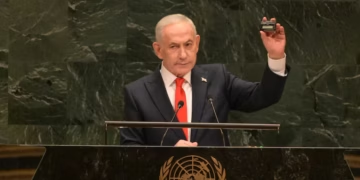
Trump announced on October 11 that Russia and Ukraine had agreed to halt attacks on energy sites. But detailed public terms and a shared system for monitoring compliance did not follow. Kyiv said it had not been properly consulted and maintained that any halt had to be reciprocal. As attacks continued, the two sides were left with different accounts of what the proposed pause required.
The Ryazan strike puts Russian oil revenue back in focus
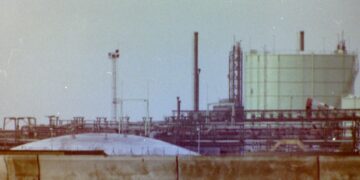
The Ryazan facility, operated by Russian state oil company Rosneft, lies roughly 300 kilometres southeast of Moscow and is a significant part of the country’s refining network. Its output helps supply the capital. Russian regional authorities reported a fire after the drone attack and said the damage was being assessed. The full extent of disruption had not been independently established at the time of publication.

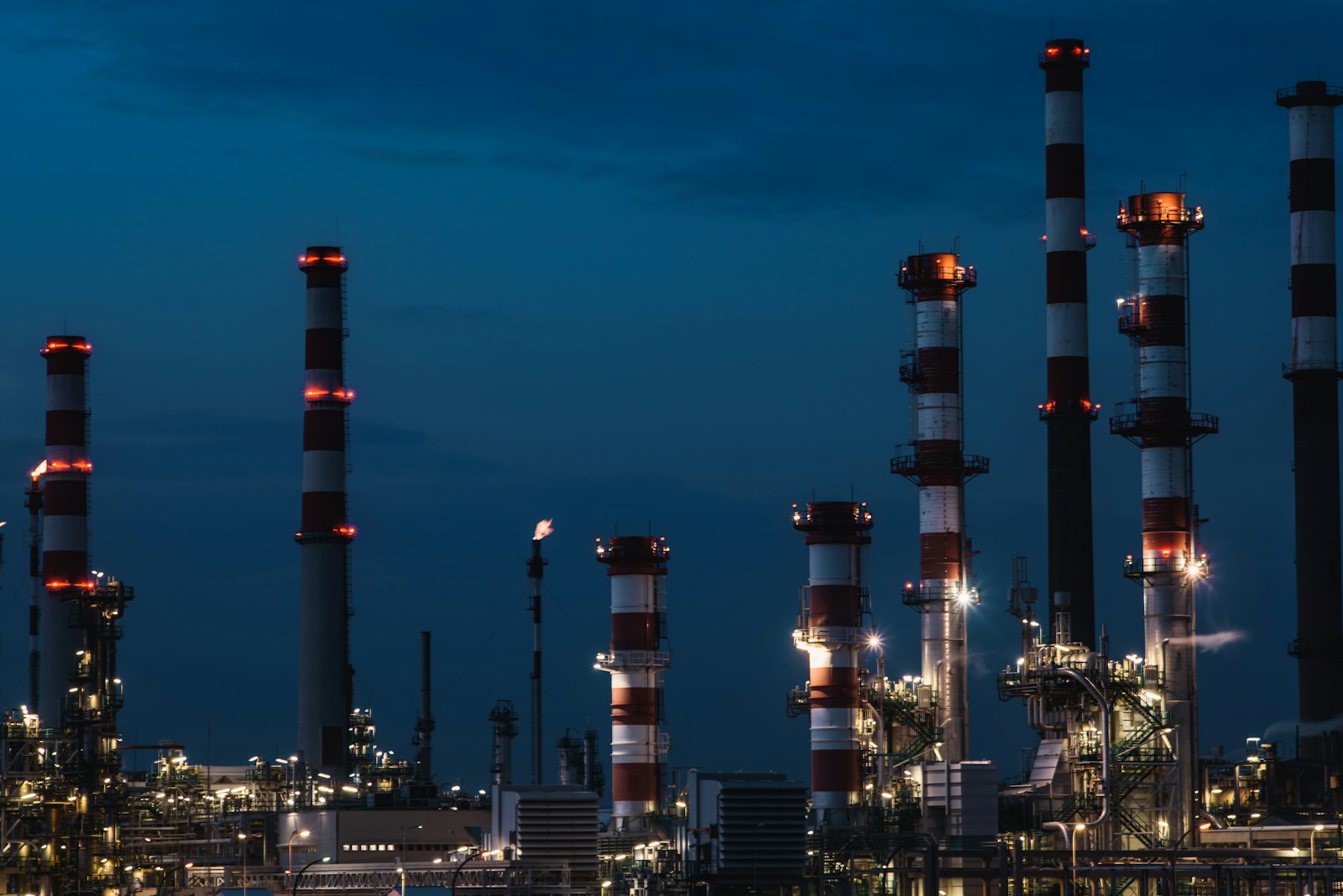
Ukraine has increasingly used long-range drones to target Russian refineries, fuel depots and logistics infrastructure. Kyiv argues that these sites support Moscow’s ability to wage war and generate revenue for the state. Such strikes can disrupt supply chains and force Russia to divert resources to protect facilities far from the front line. They can also affect fuel availability and prices, making energy infrastructure a military and economic pressure point at once.
Russian attacks weakened the pause
Kyiv says the refinery strike followed renewed Russian attacks on Ukrainian territory, including energy infrastructure. Ukrainian authorities reported a large overnight drone assault across several regions on October 15. Officials in the central Kirovohrad region reported three people killed and six injured, while the state-owned gas company Naftogaz said a gas extraction facility in Poltava had been damaged and operations suspended.
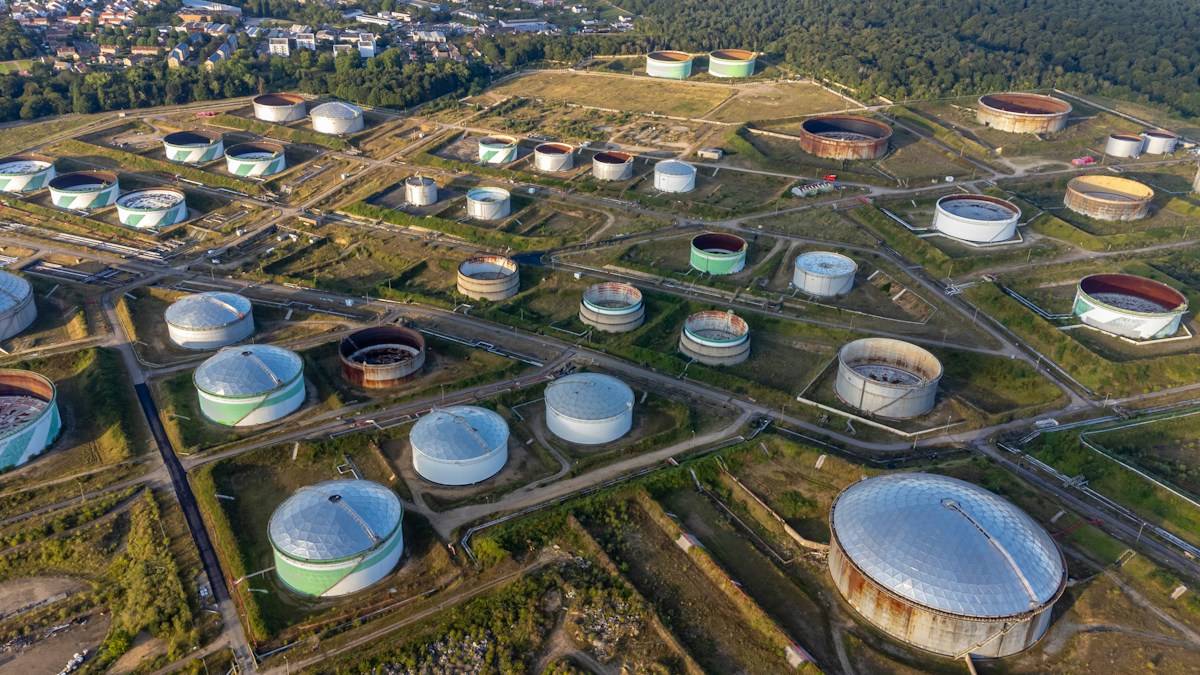
The Kremlin disputed aspects of Kyiv’s account of the pause and said its scope had not been clearly defined. That uncertainty is central to the breakdown: without agreed targets, start times, verification and consequences for violations, neither side has a reliable way to determine whether the other has complied. The humanitarian stakes are significant because damage to power and gas infrastructure can affect heating, industry and essential services as colder weather approaches. For wider context on the toll of continued attacks, see Forensic Times’ report on deadly strikes in Zaporizhzhia.
A diesel deal has widened the rift with Washington
The dispute is also tied to Trump’s decision to ease restrictions connected to Russian diesel supplies. The arrangement, presented as a way to increase fuel availability in global markets, has angered Kyiv because it could offer Moscow an economic benefit while the invasion continues. Trump has blamed Ukrainian refinery attacks for contributing to high diesel prices, placing pressure on Kyiv to stop operations that it considers part of its defence against Russia.
Zelenskyy has also raised concerns about limits affecting Ukraine’s use of US-linked military technology and about gaps in warnings for incoming Russian missile attacks. Washington has denied withholding intelligence. These disagreements matter on the battlefield: Ukraine relies heavily on Western systems for communications, surveillance and air defence, while Russia continues to launch missiles and drones against Ukrainian cities and infrastructure.
Kyiv is looking to Europe as pressure grows
During talks with European partners in Brussels, Zelenskyy sought stronger coordination and additional defence support. The diplomatic outreach comes as Kyiv weighs two conflicting needs: maintaining support from Washington while resisting demands that could constrain its ability to answer Russian attacks. Zelenskyy has indicated that a halt to Ukrainian energy strikes would require credible reciprocity and additional security guarantees, including more US-made Patriot interceptors.

The episode also connects with Ukraine’s wider campaign against Russian-linked military and supply networks, including long-range operations discussed in Forensic Times’ coverage of Iran’s warning over a vessel strike in the Caspian Sea. That wider strategy is intended to raise the cost of Russia’s war, but each new operation carries diplomatic risks when Kyiv depends on foreign military assistance.
A truce needs rules, not just an announcement
The collapse of the energy pause shows the limits of a ceasefire proposal without clearly accepted terms. A workable arrangement would need a shared definition of covered infrastructure, a way to verify alleged attacks, and agreed consequences when violations occur. It would also need both governments to acknowledge the same rules publicly, rather than rely on competing interpretations.
For now, Ukraine’s renewed refinery strikes and Russia’s continuing attacks leave the energy front active. The immediate question is whether Washington can secure a genuinely reciprocal pause or whether the dispute will deepen the breach with Kyiv. Until the parties agree on how compliance will be measured and enforced, another announcement alone is unlikely to prevent the next round of strikes.
ForensicTimes · forensictimes.com · Global Investigative Journalism on Crime, Justice, and Forensic Science · This report reflects verified open-source and wire reporting current as of publication. © 2026 ForensicTimes. All Rights Reserved.