Nineteen people were killed in 24 hours, two days after Hamas accepted a new roadmap for the next phase of the ceasefire, and Turkiye’s Foreign Ministry says that timing alone tells you everything about who actually wants this war to end.
Table of Contents
- Ankara’s Statement
- What Happened in the 24 Hours Cited
- Where the Strikes Actually Hit
- The Timing Turkiye Is Pointing To
- July’s Record Month
- The Ceasefire Tally Since October 2025
- The Reconstruction Bill
- Forensic Analysis and Intelligence
- Law and Legal Implications
- Does the Disarmament Roadmap Survive This
Ankara’s Statement
Türkiye’s Foreign Ministry condemned Israel’s attacks on Gaza late Sunday, August 2, 2026, after strikes killed at least 19 people in 24 hours, saying the killings showed once again that Prime Minister Benjamin Netanyahu’s government has no intention of making peace with the Palestinians. The ministry said in a statement that Netanyahu’s sole objective is to displace Palestinians from their homeland and prevent the establishment of peace and stability in the region, adding that he continues taking steps that undermine the fragile regional balance and sabotage mediation efforts led primarily by the United States.
What Happened in the 24 Hours Cited
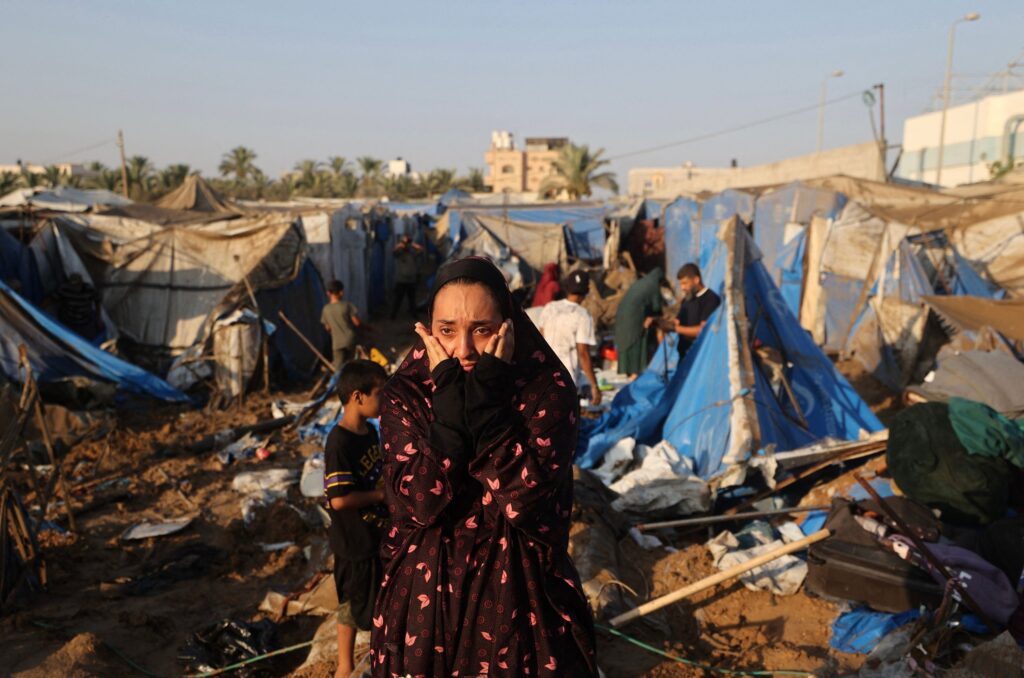
Gaza’s Health Ministry said the fatalities included 18 people killed by Israeli forces and one who died of wounds from a previous attack, raising the overall death toll since October 2023 to 73,375. A medical source at Nasser Hospital in Khan Younis said three Palestinians, a husband, wife, and their daughter, were killed and three others injured when an Israeli airstrike hit an apartment in the Al-Qarara area northwest of the city. Four more Palestinians were killed when an Israeli drone struck a vehicle in Gaza City, according to a separate medical source, while another person was injured in a strike near the Palestine Mosque in the Al-Nasr neighborhood.
Where the Strikes Actually Hit
The ministry reported 35 additional injured people transferred to hospitals in the same 24-hour window, bringing total injuries since the ceasefire took effect to 174,220. Separately, Israeli military vehicles opened fire toward eastern areas of Gaza City’s Al-Tuffah neighborhood, though no casualties were immediately reported from that incident, illustrating that lethal and non-lethal military activity continued across multiple Gaza City districts simultaneously rather than in a single isolated location.
The Timing Turkiye Is Pointing To
The strikes came two days after the Board of Peace and President Trump announced an agreement to implement the next phase of the Gaza ceasefire, with the board stating Hamas had accepted a detailed roadmap, the same disarmament agreement in which Hamas conditioned its own compliance on Israeli withdrawal and reconstruction progress. Israel had not officially commented on that proposal as of the latest strikes, and Palestinians have said Israel’s continued attacks, alongside the lack of any Israeli response to the roadmap, indicate a pattern of undermining the agreement rather than engaging with it.
July’s Record Month
Gaza’s Health Ministry said Saturday that 152 people were killed in the enclave during July alone, the highest monthly death toll recorded since the start of 2026. The ministry’s Health Information Center said the victims included 21 children, 14 women, and four elderly people, and stated the figures reflected the direct impact of continued escalation on civilians in densely populated residential areas. The center said Israeli military targeting was increasingly directed toward neighborhoods and residential areas specifically.
The Ceasefire Tally Since October 2025
Despite the ceasefire that took effect October 10, 2025, Israeli forces have continued daily attacks throughout Gaza, with the Health Ministry reporting at least 1,250 Palestinians killed and 4,110 injured since the truce began, according to Daily Sabah’s cited figures, with other outlets reporting slightly varying tallies of 1,222 to 1,230 killed depending on the reporting date. Israel has reportedly expanded its territorial control to around 70% of Gaza, according to earlier reporting, confining Palestinians to less than a third of the enclave, and continues restricting the entry of humanitarian aid, commercial goods, and travel.
The Reconstruction Bill
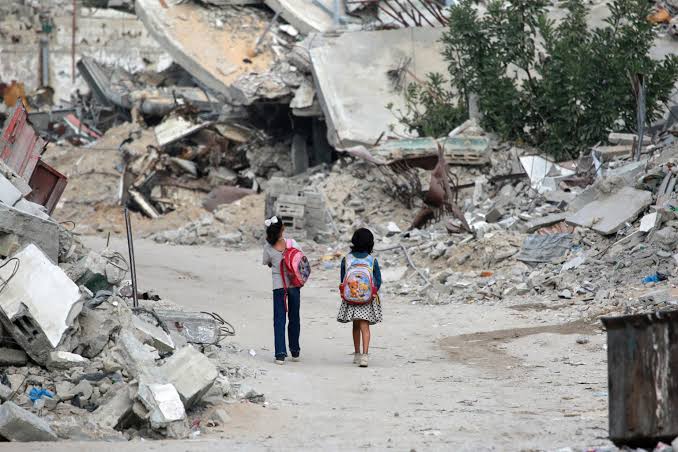
The ceasefire followed roughly two years of war beginning October 8, 2023, which devastated an estimated 90% of civilian infrastructure across Gaza, according to Daily Sabah’s reporting. The United Nations has estimated reconstruction costs at approximately $70 billion, a figure that stands as a stark marker of the war’s physical scale independent of the ongoing dispute over ceasefire compliance.
Forensic Analysis and Intelligence
Turkiye’s statement builds its argument primarily on temporal correlation, that lethal strikes followed within 48 hours of a peace roadmap’s announcement, rather than on any claimed direct evidence of Israeli intent to sabotage that specific agreement. Temporal correlation of this kind is suggestive but not independently probative: it does not by itself establish that the timing was deliberate as opposed to a continuation of a strike pattern that, per Gaza’s Health Ministry data, has persisted without significant interruption since October 2025, including during July’s already-elevated monthly toll of 152 deaths.
The varying casualty tallies across outlets, 1,222 to 1,250 killed since the ceasefire depending on source and date, reflect the same challenge seen throughout this conflict’s reporting: Gaza’s Health Ministry remains the primary source for casualty data, and its figures are updated on a rolling basis, meaning any single tally represents a snapshot rather than a final count, a distinction relevant to reading any of the specific numbers cited here as provisional rather than conclusive.
Law and Legal Implications
Turkiye’s ministry statement explicitly invoked international law and humanitarian values in calling for a more determined international response, framing continued strikes on residential areas, including the Al-Qarara apartment strike that killed a family of three, as a potential violation of international humanitarian law’s protections for civilians and civilian objects. Israel’s continued military activity within the ceasefire’s so-called yellow line boundary, and its lack of formal response to the disarmament roadmap Hamas has accepted, raises the same reciprocal-obligation question flagged in coverage of that agreement: without a functioning bilateral enforcement mechanism, each side’s compliance failures are asserted publicly rather than adjudicated through any binding process.
Does the Disarmament Roadmap Survive This
It remains unclear whether continued Israeli strikes, including the 19 deaths cited by Turkiye’s Foreign Ministry, will formally derail implementation of the disarmament roadmap Hamas accepted just two days earlier, or whether both tracks, continued strikes and continued negotiation, will proceed in parallel as they reportedly have throughout the ceasefire period to date. Whether Israel will issue any formal response to the Board of Peace roadmap remains undetermined as of the latest reporting. The precise, reconciled casualty count since the October 2025 ceasefire, given the discrepancies across outlets citing figures between 1,222 and 1,250, has not been finalized. Forensic Times continues to monitor Gaza Health Ministry casualty updates, Turkiye’s diplomatic statements, and the status of the disarmament roadmap’s implementation.
ForensicTimes · forensictimes.com · Global Investigative Journalism on Crime, Justice, and Forensic Science · This report reflects verified open-source and wire reporting current as of publication. © 2026 ForensicTimes. All Rights Reserved.