

























The student-backed Student List won a commanding preliminary victory in Serbia’s 25 October parliamentary election, setting up a major political reset in Belgrade and raising hard questions about the European Union’s long reliance on Aleksandar Vučić as its principal interlocutor. The result challenges not only the ruling Serbian Progressive Party’s dominance, but also Brussels’ assumption that working through one powerful political figure could keep Serbia’s accession path moving while democratic concerns remained unresolved.
A landslide after two years of protest
Preliminary results published by Serbia’s Republic Electoral Commission on 26 October, based on 97.56% of polling stations processed, gave the Student List 52.71% of votes and a projected 140 seats in the 250-member National Assembly. The alliance led by the Serbian Progressive Party, associated with Vučić, received 39.17% and 104 seats in that preliminary tally. The commission had not yet declared the count final.
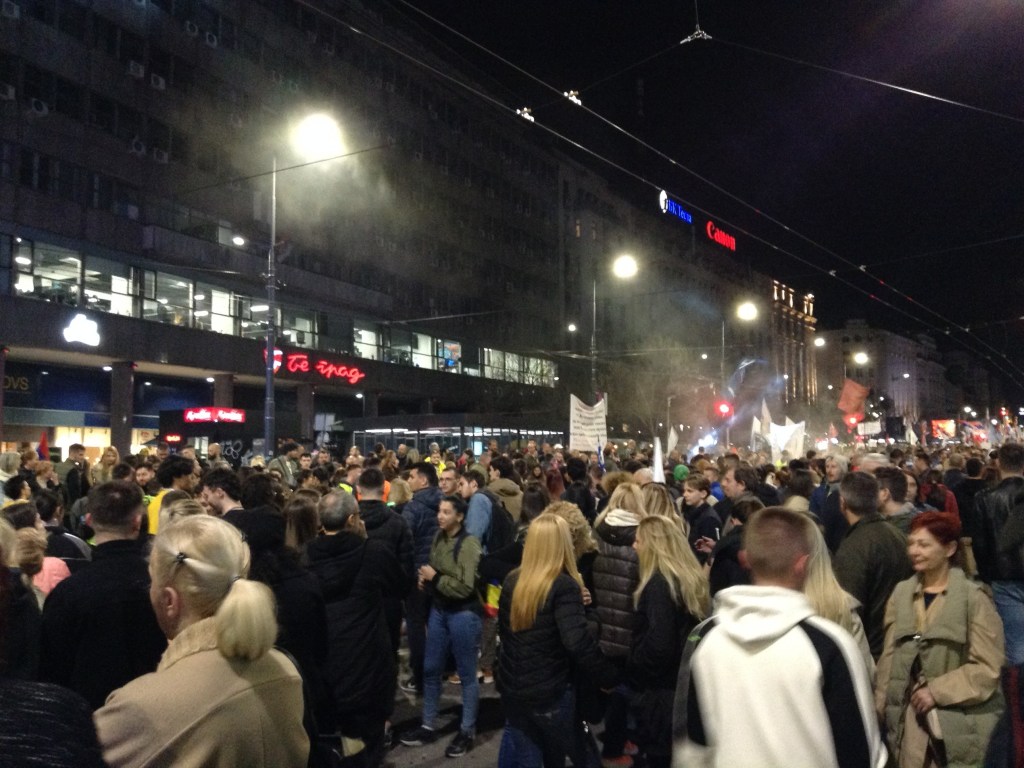
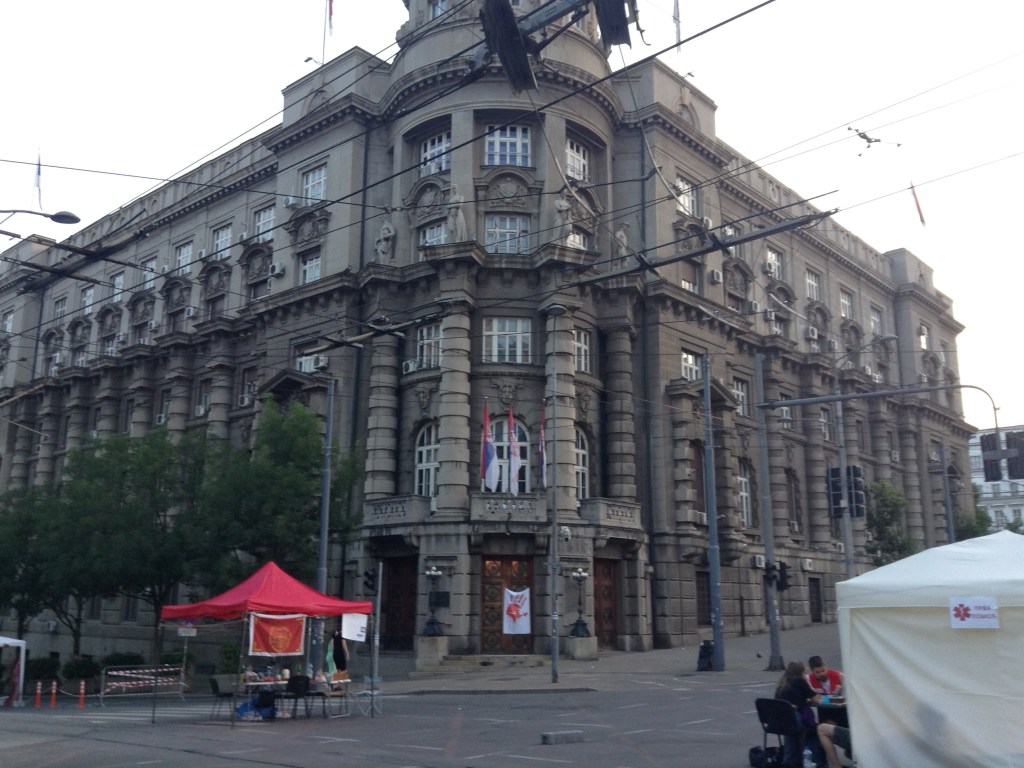
The result followed almost two years of student-led demonstrations that grew after the collapse of a railway station canopy in Novi Sad on 1 November 2024 killed 16 people. Students and supporters demanded accountability over alleged corruption and public procurement, turning grief and anger into a broader challenge to the government’s handling of institutions and public life.
The Student List entered the election as a broad movement rather than a conventional party centred on one established leader. Its candidates included academics, doctors and other professionals, many without experience of national office. That helped it present itself as an alternative to the existing political class, but it also leaves questions about how its parliamentary majority will agree on ministers, priorities and a governing programme.
The cost of the EU’s Vučić bet
Vučić’s role had already changed before voters went to the polls. He resigned as president on 27 September and entered the parliamentary contest as the ruling bloc’s leading political figure, seeking a route back to power as prime minister. The election therefore did not remove him from a presidential office he still occupied. It instead denied his political camp the parliamentary victory it had sought after more than a decade of dominance.
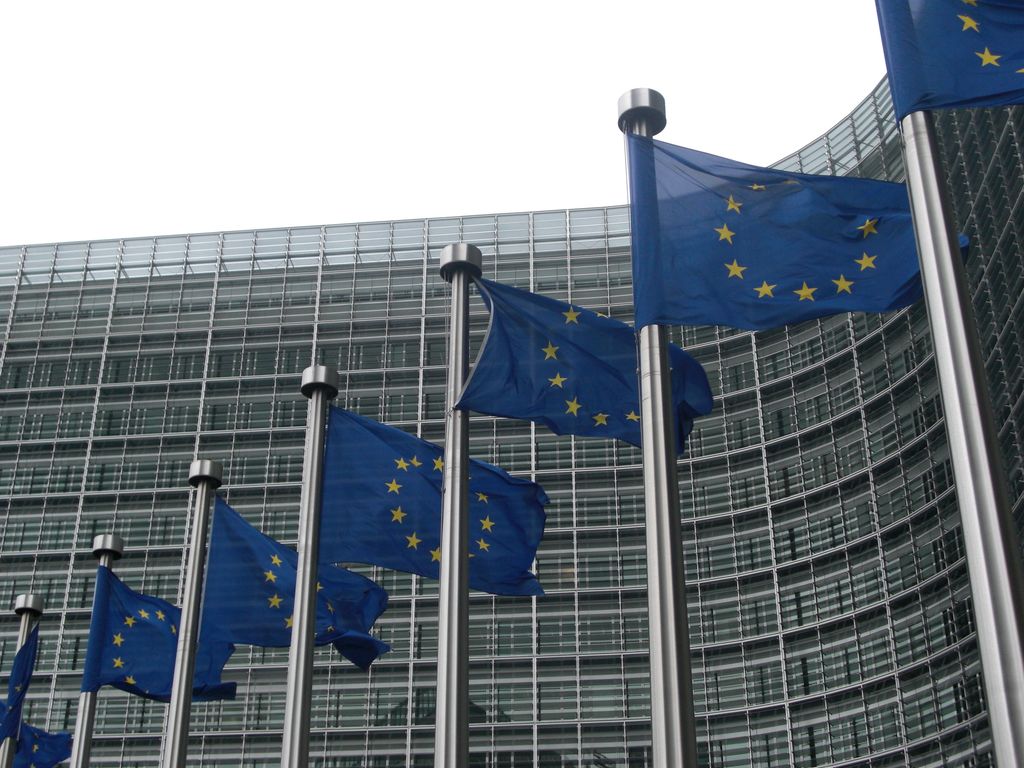
For years, European officials treated Vučić as the key channel for negotiating Serbia’s relationship with the bloc, including accession, trade and regional diplomacy. That approach offered a predictable counterpart in Belgrade. But it also carried a strategic risk: if engagement is concentrated around one leader, EU influence can become tied to that leader’s domestic fortunes, while opposition figures, civil society and independent institutions may feel sidelined.
The European Commission’s 2025 rule-of-law assessment of Serbia highlighted persistent concerns about political pressure on the judiciary, public procurement safeguards, media independence and the environment for civil society. Those weaknesses matter directly to accession, which is supposed to depend on institutional reforms rather than a leader’s willingness to cooperate with Brussels on selected geopolitical or economic priorities.
Serbian voters and Europe
The election does not automatically translate into a clear mandate for immediate EU membership. The Student List’s programme presents the European Union as Serbia’s most important economic partner and supports deeper cooperation with European countries, but it does not make rapid accession the centrepiece of its platform. The movement’s first challenge is domestic: restoring trust in public institutions and demonstrating that its promises can survive the pressures of governing.
Public opinion shows how contested the European question has become. A representative survey published by the European Policy Centre in June 2026 found 39.8% of respondents in favour of EU membership, 33.8% opposed and more than a quarter undecided. The figures suggest that the EU’s credibility problem is not only an argument among Serbian politicians. It also concerns whether citizens see enlargement as a route to stronger democracy, dependable institutions and practical economic gains.
Brussels should therefore avoid treating the result simply as a pro-EU or anti-EU swing. The student movement attracted people around accountability, education and the rule of law. Whether those demands become policy will depend on what the new majority does with appointments, oversight, procurement, media regulation and relations with independent watchdogs.
What the result does and does not change
A parliamentary majority gives the Student List a strong starting point, but it does not mean the political system changes overnight. The new group must establish a government, form a workable leadership team and manage public expectations. Its candidates will also face pressure from the established party apparatus and state institutions developed during years of Serbian Progressive Party rule.
Vučić remains an influential political actor and his camp has retained a substantial share of the vote. Final election results and the government formation process will determine the formal institutional transition. The preliminary outcome is decisive in political terms, but the implementation of reform will be a longer test than election night.
The test for Brussels and Belgrade
For the EU, the result is a warning against allowing short-term stability to overshadow the democratic benchmarks at the heart of its enlargement policy. A credible reset would widen engagement beyond the executive, maintain clear conditions on rule-of-law reforms and judge progress by enforcement and institutional independence, not simply by promises or diplomatic access.
For Serbia’s incoming majority, the immediate task is to translate street mobilisation into transparent government and an accountable parliament. If it can do so, the election could reopen a stalled debate about the country’s European future. If it cannot, disappointment may deepen public cynicism towards both domestic institutions and the accession process.
Forensic Times