












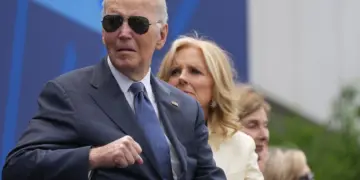


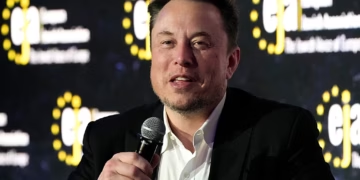




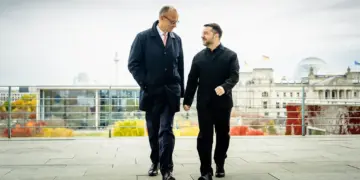







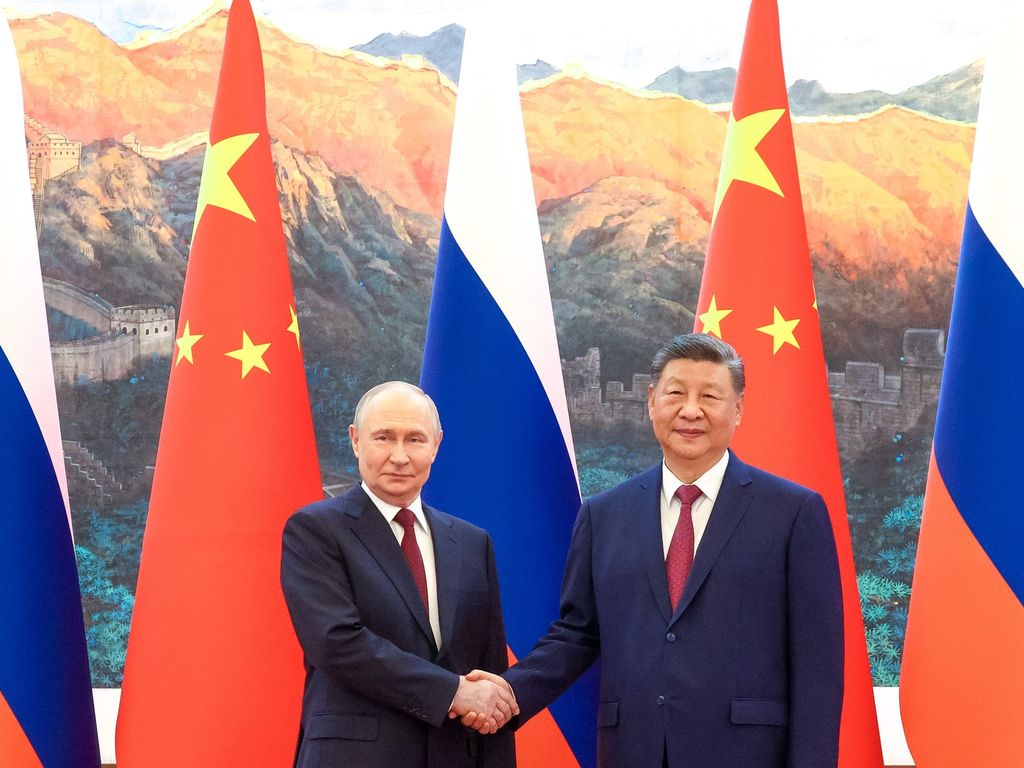
The Kremlin’s November 3 statement moves the idea from hypothetical discussion into an active organising phase. It does not establish that Beijing has agreed to host a separate summit or that the three governments have settled the subjects to be discussed.
Kremlin says preparations are under way
Kremlin spokesperson Dmitry Peskov said on November 3 that work was progressing to organise a meeting between the three presidents. He said Moscow hoped the arrangements would be settled in the coming days and identified China, as the host country, as the principal organiser.
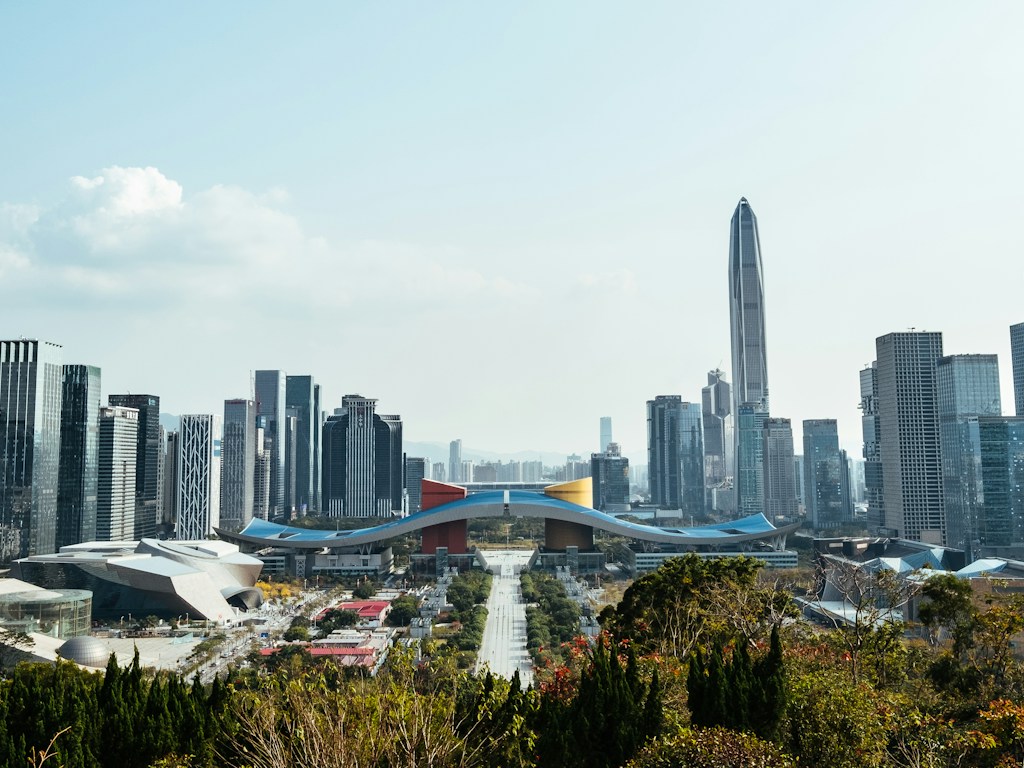
The proposed encounter would take place alongside the APEC Economic Leaders’ Meeting in Shenzhen on November 18 and 19. The date and venue of the wider APEC gathering are confirmed by the organisation. The separate trilateral meeting remains under discussion.
The Financial Times has reported that officials in Washington, Beijing and Moscow have held serious discussions about the idea, with the US and Russia encouraging China to agree. That reporting indicates diplomatic activity, but it does not establish that all three governments have accepted a meeting or settled its terms.
Beijing has not confirmed the format
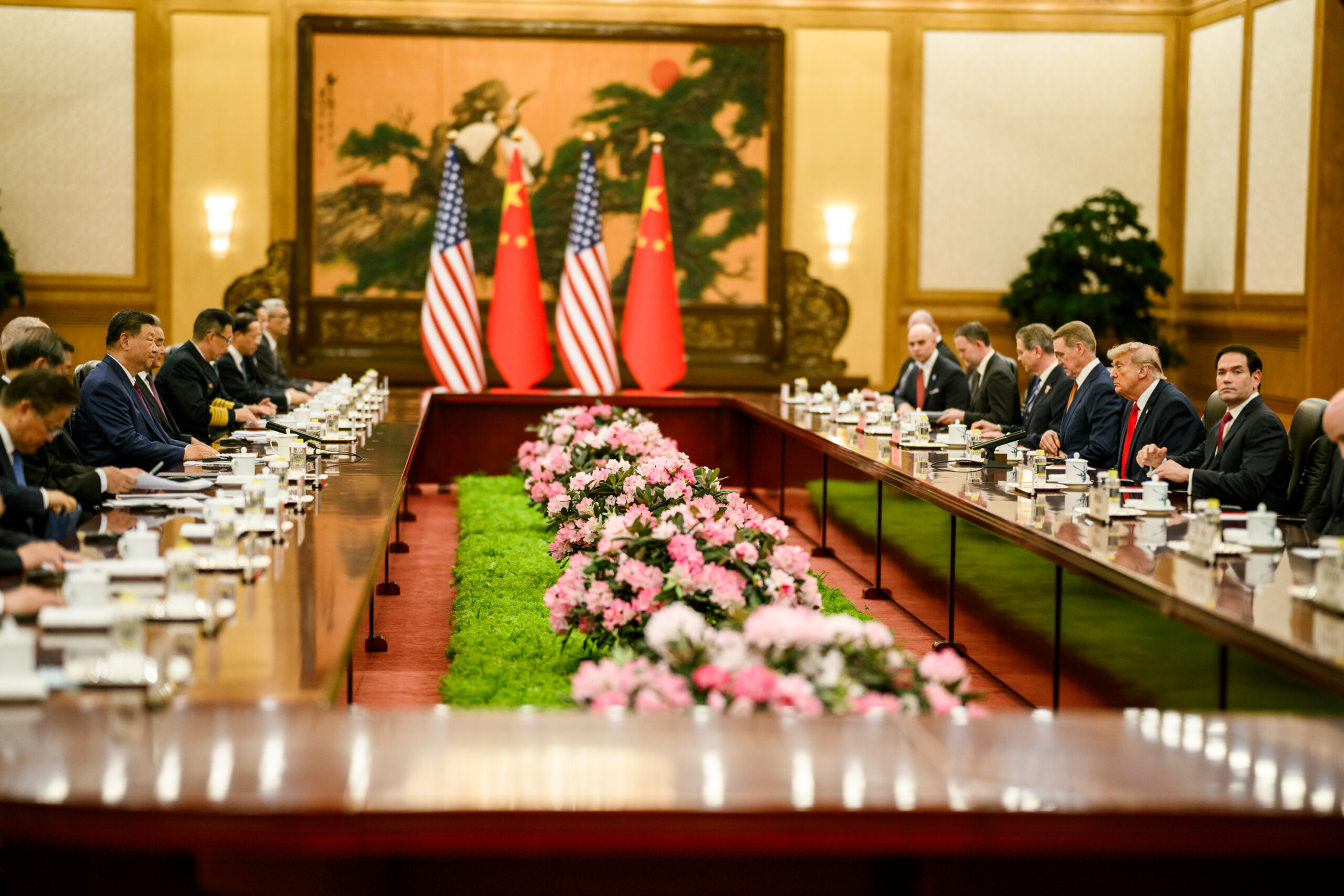
China’s public statements have focused on contacts relating to a meeting between Xi and Putin. In an October 3 response to a question about a possible three-way meeting, the Chinese Foreign Ministry said it had no information to provide at that time. Its subsequent public messaging has not confirmed that Trump will join a trilateral session.
That distinction is important. China hosting APEC does not automatically mean it has accepted a separate summit involving all three presidents. Beijing would have to agree to the format, decide how it fits into the leaders’ programme and determine whether there is an agenda that serves its interests.
For Xi, the potential benefit is diplomatic stature: China could present itself as a venue where competing powers can communicate. The risk is that a high-profile meeting could create expectations of progress on disputes that Beijing may not want to negotiate in that setting.
Ukraine is a political complication
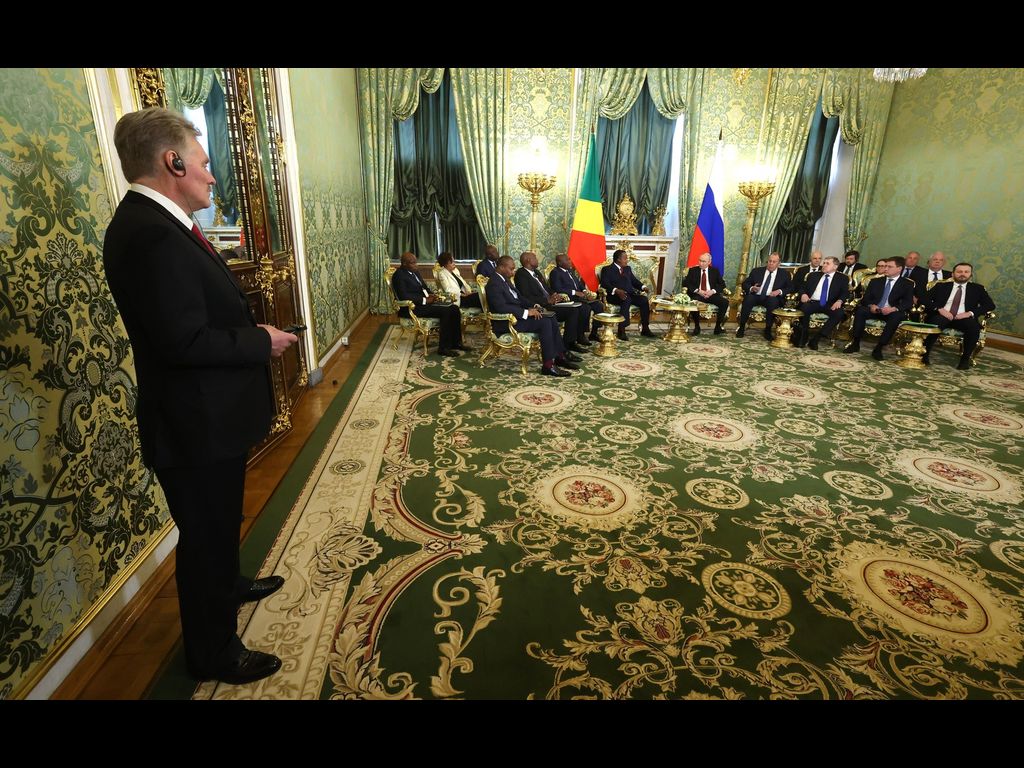
Whether the war in Ukraine would be discussed is unresolved. The Financial Times has reported that Ukraine was part of the discussions surrounding the proposed encounter. The same reporting said Xi had indicated to Germany’s president that Ukraine was not expected to be on the agenda and that Europeans should be involved in any such discussions.
The Moscow Times has separately reported, citing a person familiar with the Kremlin’s thinking, that Moscow does not expect substantive negotiations on Ukraine at the proposed meeting. These accounts point to a central problem: a conversation among Washington, Moscow and Beijing would not include Kyiv, even though Ukraine is the country directly affected by the war.
A meeting could therefore create a diplomatic channel, but it could not by itself negotiate Ukraine’s future or substitute for Ukraine’s participation in decisions about its territory and security.
Nuclear arms control is another open question
Nuclear arms control is another possible subject, although no agreed agenda has been announced. The Financial Times has reported that Trump has shown interest in discussing nuclear weapons with Putin and Xi, while China has historically been reluctant to enter trilateral negotiations with the United States and Russia because the size of its nuclear arsenal is substantially different.
That imbalance matters to the structure of any negotiations. A three-way political meeting is not the same as a workable arms-control process. Such a process would require agreed definitions, verifiable commitments and a negotiation format accepted by all parties.
What a meeting would and would not mean
For Moscow, the prospect offers a chance to demonstrate continued access to the highest level of international diplomacy. For Washington, direct contact with both powers could provide an additional channel on strategic risks. For Beijing, hosting could reinforce its diplomatic position without requiring it to endorse every issue raised by the other participants.
But attendance would not amount to an agreement, and a joint photograph would not demonstrate progress on Ukraine or nuclear weapons. The meaningful tests would be whether China confirms the format, whether the three governments publish an agreed agenda and whether any commitments follow.
For now, the Kremlin has confirmed that preparations are being discussed. The decision that matters next is Beijing’s. Until China confirms that it will host a trilateral session, the proposed meeting remains a diplomatic possibility rather than a scheduled summit.
Forensic Times