































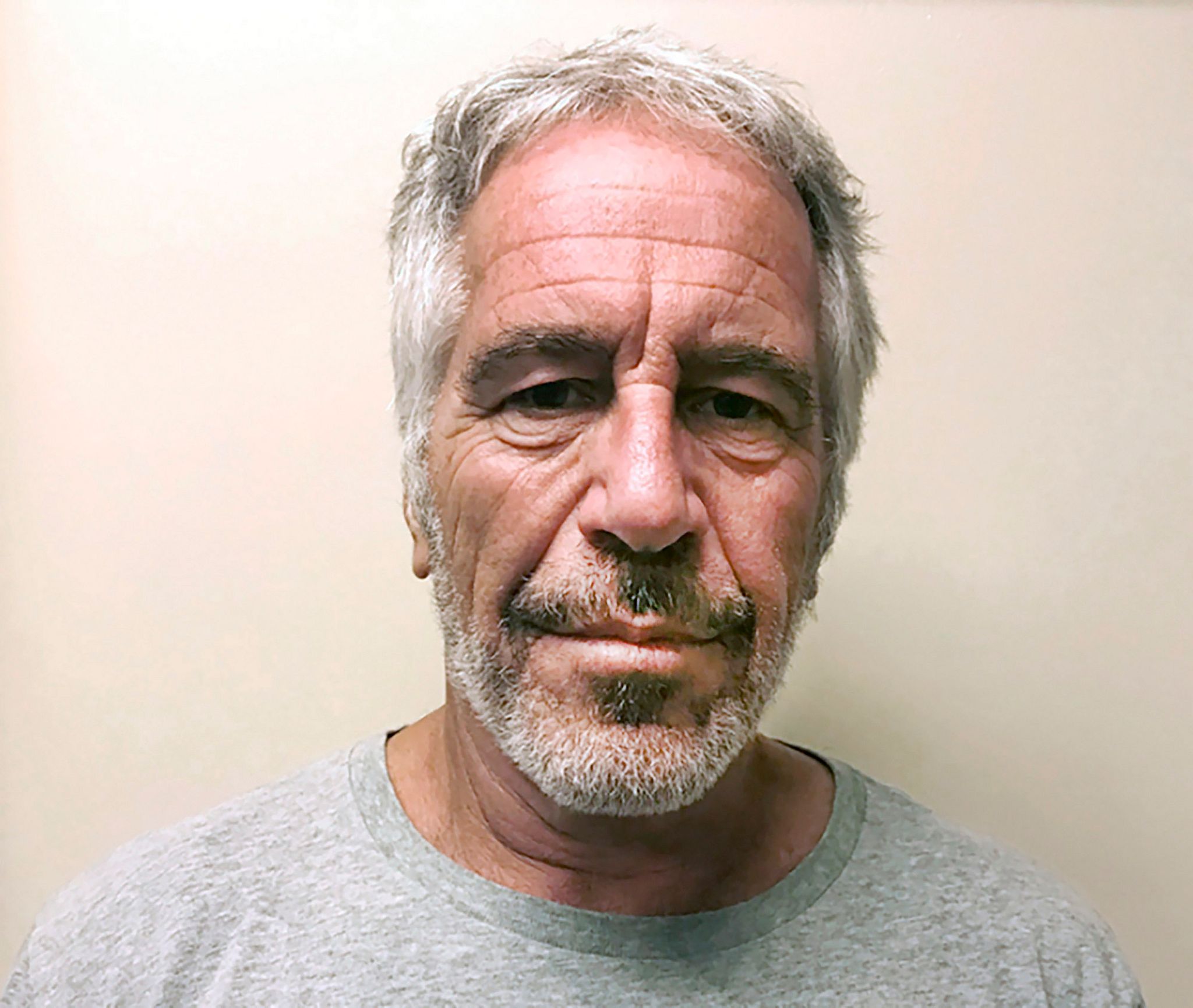
A forensic case study of the investigations, the 2007 non-prosecution agreement, the Maxwell prosecution, the death in federal custody, the 2025 transparency law and the 2026 government disclosures.
Forensic Times Investigations Desk | Research cut-off: 14 November 2026
Introduction: A case that became a test of the justice system
The Jeffrey Epstein case is not simply the story of a wealthy financier accused of sexually abusing underage girls. It is a far-reaching examination of how wealth, access, private employment arrangements, professional relationships and institutional failures can allow serious allegations to remain unresolved for years. The records reveal a criminal investigation that began in Florida, a controversial federal agreement, a later prosecution in New York, the conviction of Ghislaine Maxwell, a death in federal custody and a major dispute over the release of government records.
Epstein cultivated relationships with wealthy individuals, business leaders, politicians, academics and prominent figures. He maintained residences in several locations, including Manhattan, Palm Beach, New Mexico, Paris and the U.S. Virgin Islands. His properties, aircraft, employees and financial arrangements created an operating environment that investigators later had to reconstruct across jurisdictions and over many years.
The public debate intensified after Epstein died in custody in August 2019. It expanded again as court records, flight logs, correspondence, investigative documents and government disclosures became available. On January 30, 2026, the U.S. Department of Justice announced the release of more than three million additional pages, more than 2,000 videos and approximately 180,000 images. On November 10, 2026, the House Committee on Oversight and Government Reform released a majority staff report examining the federal government’s handling of the Epstein and Maxwell investigations.
Yet the expression “Epstein files” can be misleading. There is no single document that explains the entire case. The records are a mixture of court filings, interview notes, government correspondence, evidence inventories, travel records, photographs, witness statements, financial information and material submitted to investigators. They do not all have the same evidentiary value. Some establish facts; others record allegations, leads or professional contact. A person’s name in a contact book, flight log, photograph or email is not, by itself, proof of criminal conduct.
This case study separates established legal outcomes from investigative records, allegations and unresolved questions. Its purpose is not to construct a list of alleged offenders from names in documents. It is to examine what the public record establishes, what it does not establish and what the case reveals about the responsibilities of prosecutors, police, financial institutions, custodial authorities and other organisations.
1. Scope and evidentiary method: What was examined?
This article is based on publicly accessible material, including the Department of Justice’s Epstein Library and disclosures made under the Epstein Files Transparency Act; federal court records from the 2019 prosecution; records from the prosecution and conviction of Ghislaine Maxwell; the DOJ Office of Professional Responsibility review of the 2006–2008 federal investigation; the DOJ Office of the Inspector General investigation into Epstein’s custody and death; the July 2025 DOJ and FBI memorandum describing their review of federal investigative holdings; the statute enacted in November 2025; the November 2026 House Oversight Committee majority staff report; and published reporting that provides context for official records.
This is a public-record examination. It does not claim access to classified, sealed, confidential or unlawfully obtained files. Where information remains sealed, legally withheld or unavailable, that limitation is stated rather than filled with speculation. The records can include protected victim interviews, medical details, grand-jury material, child sexual abuse material and information about people who were never charged. The existence of such material does not create a right to publish it.
Four evidentiary categories are used throughout. First are established legal outcomes: convictions, final court decisions and official findings. Second are documented investigative records: material collected or produced by police, prosecutors, courts, inspectors general or congressional investigators. Third are allegations and testimony: statements by survivors, witnesses or other people that may or may not have been independently corroborated. Fourth are unresolved questions: matters the available public record does not conclusively answer.
An indictment is an accusation, not a verdict. A civil complaint sets out a claimant’s case, not necessarily facts accepted by a court. An interview note records what a person told investigators; it does not automatically prove the statement. A congressional report is important oversight material, but it is not a criminal conviction. An email can establish that a communication occurred, but context is needed to determine what the sender knew or intended.
For that reason, this report does not treat a name in an address book, a passenger entry in a flight record or attendance at a social event as proof of participation in abuse. Where a source makes an allegation, the article identifies it as such. Where a conclusion comes from a committee, agency or court, the institution responsible for that conclusion is identified.
2. What are the Epstein files?
The Epstein files are a collection of records generated by multiple investigations, prosecutions, civil proceedings and government reviews. Their volume is large, but the collection is not a single coherent database. Documents may be duplicated, separated from their original context, partly redacted or difficult to interpret without related records.
Court records include indictments, bail submissions, motions, trial exhibits, deposition transcripts, sentencing documents and judicial decisions. They can establish what was alleged, what evidence was admitted and what a court decided. They can also contain claims that were never tested at trial. A complaint should not be described as a court finding unless the judge or jury actually made that finding.
Flight and travel records can help establish that an individual was recorded as travelling on a particular aircraft at a particular time. They do not automatically establish the purpose of a journey, the person’s knowledge of abuse or whether an offence took place. Travel records become more useful when compared with calendars, messages, testimony, immigration records and other independent material.
Contact books and address records show that contact information was recorded. They do not prove that a listed person was a close friend, employee, client, co-conspirator or participant in an offence. A contact entry is an investigative lead, not a verdict.
Emails, calendars and correspondence can help reconstruct meetings, relationships and organisational activity. A single message may be incomplete or misleading without the entire exchange, date, sender verification and surrounding circumstances. FBI and DOJ records can include interview notes, evidence inventories, search-related records and internal communications. Some material is unverified information supplied by members of the public.
Financial and estate records can identify accounts, transfers, entities, assets, payments and professional relationships. They may demonstrate that a service was provided or a transaction took place; they do not necessarily prove that every person involved understood the criminal purpose of a payment. Custody and death-investigation records include staff logs, surveillance-system documentation, incident reports and official reviews of the prison where Epstein died.
3. The January 2026 DOJ release: Scale and limitations
On January 30, 2026, the Department of Justice announced that it had published more than three million additional pages responsive to the Epstein Files Transparency Act. The department said the additional production included more than 2,000 videos and 180,000 images. Combined with prior disclosures, the government described the total production as nearly 3.5 million pages.
The DOJ said the material had been collected from five principal groups of sources: the Florida and New York Epstein cases; the New York Maxwell case; New York investigations concerning Epstein’s death; a Florida case involving a former Epstein employee; multiple FBI investigations; and the Inspector General’s investigation into the death. The department said hundreds of attorneys and reviewers participated in the review.
The scale of the production is extraordinary, but quantity is not the same as completeness or clarity. Millions of pages can include duplicate files, administrative records, documents already known to the public, unverified submissions and records whose meaning becomes apparent only when compared with other evidence. A large release may also contain documents that were never treated as reliable evidence in a prosecution.
The department identified categories of material that were not produced, including duplicates, privileged documents, records unrelated to the cases and material withheld under statutory exceptions. It also said that victim-identifying information needed protection. The DOJ’s public warning acknowledged that the volume of records created a risk that sensitive personal information could inadvertently appear in a public release.
The department further warned that responsive public submissions could include fake or falsely submitted images, documents or videos. This is an important caution: the presence of a file on a government disclosure website does not mean that every assertion in the file has been independently verified. Investigators must assess the origin, integrity, date, context and corroboration of each item.
The House Oversight Committee’s November 2026 majority staff report criticised the department’s handling of the disclosure process, including alleged failures to protect survivor information and concerns about redactions. This is a congressional assessment and should be identified as such. It does not remove the need to assess each redaction, disclosure decision or allegation against the governing law and underlying record.
4. The early investigation: Palm Beach, Florida
The public criminal investigation that became central to the case began in Palm Beach. In 2005, police received a report from the family of a minor who alleged that Epstein had sexually abused her. Officers began examining the circumstances and interviewing other girls. The investigation developed beyond an isolated complaint as police identified additional potential victims and examined similarities in their accounts.
The accounts described a recurring arrangement in which young girls were brought to Epstein’s residence for supposed massage appointments. The allegations said the encounters became sexual and that cash payments were made. Investigators examined how the girls had been introduced to Epstein, who arranged appointments, what employees or associates did and whether the activity involved a broader recruitment pattern.
The Palm Beach Police Department’s incident records show investigative steps including surveillance, interviews and searches. Publicly released reports describe officers collecting records and items, documenting the residence and examining information that could help establish how appointments and communications were organised. The police records also show why careful handling of redactions is necessary: they contain sensitive details about people who reported abuse and should not be treated as material for casual online circulation.
The investigation eventually involved the Palm Beach Police Department, the FBI and the U.S. Attorney’s Office for the Southern District of Florida. The later controversy focused on what happened after investigators assembled substantial evidence and identified numerous potential victims. The central institutional questions became whether federal prosecutors pursued the full scope of the allegations, whether potential facilitators were adequately investigated and why the case ended in a controversial agreement rather than a full federal prosecution at that stage.
The later DOJ review and the 2026 House Oversight report both returned to those decisions. Their findings should be read separately: the OPR review addressed prosecutorial conduct under DOJ standards, while the House report offered a broader congressional assessment of the government’s handling of the investigation and its consequences for survivors.


5. The alleged recruitment and grooming mechanism
One of the most important features of the public record is that the alleged abuse was not described as a series of unrelated encounters. The 2019 federal indictment alleged a recurring system involving recruitment, appointments, cash payments and referrals. The Maxwell prosecution later established through a jury verdict that Maxwell participated in a conspiracy involving the grooming and sexual abuse of minors.
The massage pretext mattered because it could make an encounter appear ordinary to people who did not know what was happening. It provided a reason for an appointment, payment and the arrival of a young person at a private property. According to the 2019 indictment, Epstein recruited and enticed dozens of minor girls to visit his Manhattan and Palm Beach residences between approximately 2002 and 2005. The indictment alleged that certain victims were paid to recruit additional girls.
That alleged recruitment mechanism requires sensitive analysis. A person who has already been abused may be pressured, manipulated or financially induced to introduce another person. The existence of a referral does not automatically establish that the person making it was a willing participant in a criminal conspiracy. Investigators must examine age, coercion, threats, vulnerability, knowledge and the person’s actual freedom to refuse.
The records also describe administrative and logistical activities: arranging appointments, handling communications, managing properties and coordinating travel. Those functions can help a system operate, but a job title or ordinary administrative task does not establish criminal intent. A responsible investigation asks what the employee knew, when the person knew it, what specific action was taken and whether that action was deliberate assistance to criminal conduct.
Financial dependence can also affect power. Housing, employment, education assistance, travel or personal support may create a relationship in which a vulnerable person fears losing basic resources if they refuse instructions or report abuse. Such circumstances are relevant to coercion and grooming, but a particular person’s experience must be established through evidence rather than assumed from an association.
The House Oversight Committee’s 2026 report describes a long-running recruitment and control network and argues that social and professional relationships helped Epstein maintain legitimacy. That is the committee’s assessment. The report does not convert every person who worked for, met or travelled with Epstein into a proven offender.


6. Properties, aircraft and geography
Epstein maintained properties in several jurisdictions. Each location created a separate evidentiary environment and required investigators to consider local police records, travel, ownership arrangements, staff, communications and the movement of potential victims. The New York townhouse and Palm Beach residence were central to the 2019 federal indictment. His private island in the U.S. Virgin Islands became a focus of civil proceedings and public reporting.
Private aircraft and helicopters also appear repeatedly in the public record. Travel records can help establish routes, dates and passenger entries. But a flight log should be read as a travel document, not as a list of proven offenders. It may not identify every passenger accurately, and it does not explain what happened before, during or after a journey. The evidentiary value of a travel record rises when it is corroborated by other records, such as appointment calendars, messages, immigration records, photographs or testimony.
Property ownership records and company filings can identify who legally owned an asset, who managed it and how it was financed. They do not automatically reveal the purpose of every transaction or the knowledge of everyone listed in a company. Investigators need to distinguish beneficial ownership, legal title, management responsibility and actual control. That distinction is particularly important where assets are held through companies, trusts or other entities.
The U.S. Virgin Islands government brought civil proceedings concerning Epstein’s estate and companies. Those pleadings contain allegations about the use of aircraft, helicopters, corporate entities and the island. Allegations in civil complaints must be identified as allegations unless admitted or decided by a court. They can nevertheless provide important investigative leads and a framework for examining the logistics of the operation.
Visual records of locations are useful for orientation, but an aerial photograph cannot prove that a particular offence occurred at a property. The purpose of an image in this article is to provide geographic context, not to substitute for testimony or an evidentiary finding.

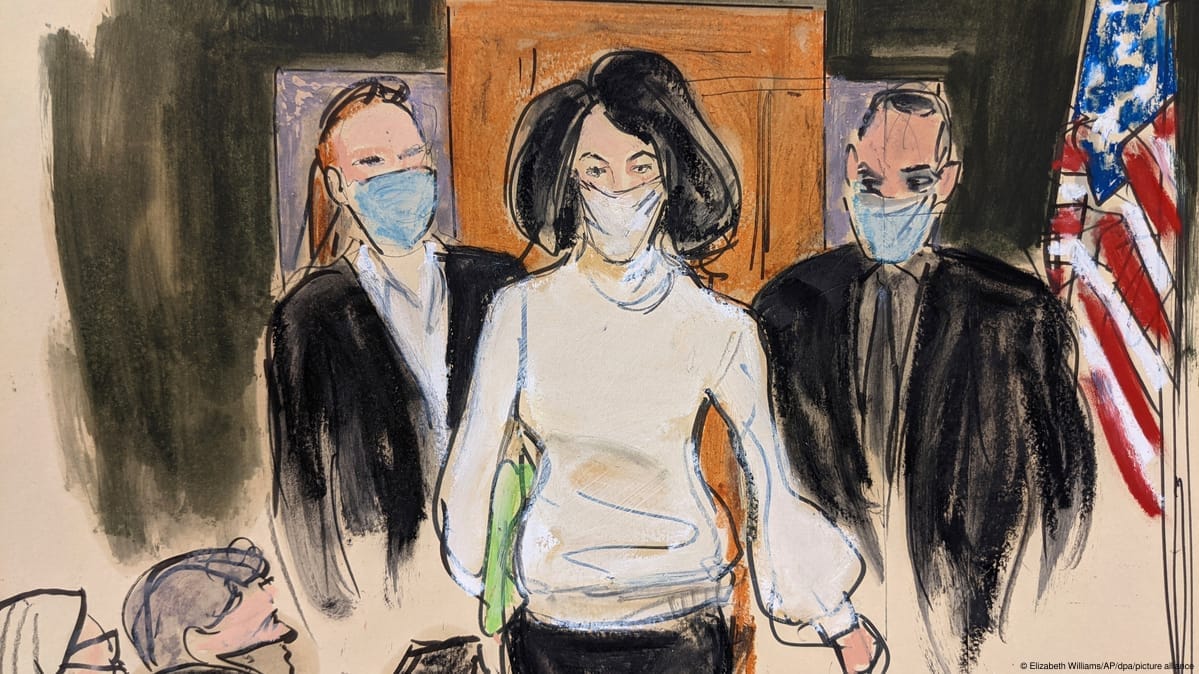
7. Ghislaine Maxwell: From associate to convicted co-conspirator
Ghislaine Maxwell became one of the central figures in the criminal investigation. Her relationship with Epstein extended over many years. Prosecutors alleged that she helped recruit, groom and facilitate the abuse of underage girls. The prosecution presented evidence that Maxwell developed relationships with girls, made them comfortable in Epstein’s environment and contributed to the process through which abuse occurred.
Maxwell was tried in federal court in New York. In December 2021, a jury found her guilty of multiple offences connected to the sexual exploitation of minors. In June 2022, she was sentenced to 20 years in prison. Her convictions were later affirmed by the U.S. Court of Appeals for the Second Circuit in 2024. These are established legal outcomes, distinct from allegations made in untested documents.
The trial evidence described a pattern of grooming and facilitation. Prosecutors argued that Maxwell was not merely a social companion but played an active role in the recruitment and abuse process. The jury’s verdict established her criminal responsibility for the offences on which it convicted her. It did not determine the criminal responsibility of every person who appeared in Epstein’s contact records or social network.
Maxwell’s case is significant because it demonstrated that the operation could be examined beyond Epstein himself. It also provides a judicially tested body of evidence that can be compared with other investigative records. The comparison must remain disciplined: evidence admitted at Maxwell’s trial may illuminate the wider operation, but it cannot automatically prove that an unrelated third party committed a crime.
The House Oversight Committee’s 2026 investigation also obtained testimony and reviewed documents concerning Maxwell. A congressional deposition is not the same as sworn testimony before a jury after cross-examination, and a committee’s interpretation must be identified as an oversight finding. The criminal verdict remains the legal foundation for statements about Maxwell’s conviction.

8. The 2007 non-prosecution agreement
The most controversial institutional decision in the earlier investigation was the non-prosecution agreement negotiated in South Florida in 2007. Instead of proceeding with the expected federal prosecution, Epstein entered into an agreement with the U.S. Attorney’s Office for the Southern District of Florida. He subsequently pleaded guilty to state charges in Florida in 2008.
The agreement attracted sustained criticism because of the scope of protection it provided, the way it was negotiated and the treatment of victims. It contained language concerning protection from certain federal prosecutions for Epstein and named potential co-conspirators in the relevant district. The precise legal scope of the agreement and its later interpretation became subjects of litigation and public scrutiny.
The agreement mattered because it was not simply a decision about the length of one person’s sentence. It affected the potential legal exposure of other individuals and influenced whether further investigation would lead to federal charges at that stage. A non-prosecution agreement can be a legitimate prosecutorial tool, but its scope, supporting evidence, oversight and effect on victims require careful examination when serious allegations involve numerous minors.
The victims’ rights issue became particularly prominent. Victims were not informed about the agreement in a way that allowed them to meaningfully participate before it was finalised. The later litigation under the Crime Victims’ Rights Act examined whether the government’s handling violated statutory protections. The episode exposed the imbalance between a wealthy defendant’s ability to negotiate and the limited information available to victims.
In November 2020, the DOJ Office of Professional Responsibility released an executive summary of its review. OPR concluded that the victims were not treated with the forthrightness and sensitivity expected by the Department. It also concluded that former U.S. Attorney Alexander Acosta exercised poor judgment in resolving the federal investigation through the non-prosecution agreement and in failing to ensure that Florida would notify identified victims about the state plea hearing. OPR did not find that Department attorneys had engaged in professional misconduct. These are distinct conclusions and should be reported accurately.
The November 2026 House Oversight Committee report revisited the agreement as part of its broader examination of federal failures. The committee argued that the agreement allowed Epstein to avoid federal prosecution at that stage and contributed to the government’s failure to deliver justice for survivors. The committee’s report is an important oversight assessment, but its conclusions should not be presented as criminal findings against people who have not been convicted.

9. Work release and the Florida sentence
Epstein received an 18-month sentence after his Florida state plea. His custodial arrangements became another source of controversy because the work-release programme allowed him to leave the jail for substantial periods. The 2026 House Oversight report describes privileges that included work release for up to 12 hours a day, six days a week, and examines the degree of supervision associated with the arrangement.
Work release is generally intended to support rehabilitation and reintegration. It becomes a matter of public concern when the person receiving the privilege has been convicted of serious offences and the arrangement appears to weaken the practical consequences of the sentence. The central questions are what rules applied, who authorised the arrangement, what supervision existed, whether violations were recorded and whether the privileges were proportionate to the risks.
The committee report argues that the lenient arrangement failed to prevent further abusive conduct. That is the committee’s assessment and should be read alongside the underlying records. The broader institutional issue is why authorities permitted extensive access and whether the arrangements were adequately monitored. The passage of time and the death of key witnesses make some questions difficult to resolve conclusively.
The Florida sentence and the later federal case must not be conflated. Epstein pleaded guilty to state charges in 2008. In 2019, federal prosecutors brought new charges in New York based on allegations involving conduct across multiple years. The 2019 charges did not reach trial because Epstein died in custody.
10. Financial and professional networks
The Epstein files have attracted attention because they contain records concerning prominent individuals and institutions. These records must be analysed with discipline. A financial relationship can show that a bank provided services. A donation record can show that an institution received money. An email can show that two people communicated. A flight log can show that a passenger was recorded on an aircraft. None of those facts alone establishes that the individual or institution knew about, supported or participated in sexual abuse.
The relevant questions are more precise: what did the person or organisation know, when did it know it, what warning signs were available, what internal reviews took place and how did it respond? The timeline of knowledge is often more important than the mere existence of a relationship. A relationship that began before criminal allegations became public has a different evidentiary context from a relationship that continued after credible warnings were received.
Banking relationships are particularly important because financial institutions may see patterns that are not visible to individual investigators. Account records, transfers, cash withdrawals, entity structures and internal risk assessments can help reconstruct how money moved. The House Oversight Committee’s 2026 report examined financial records and banking relationships as part of its inquiry. The committee’s analysis is not proof that every employee, account holder or institution knew of criminal activity.
Universities, research institutions and other organisations also received donations or maintained professional contact with Epstein. The existence of a donation or meeting can establish a relationship, but it does not prove that every recipient knew the source of funds or the donor’s criminal history. Investigators need to examine due diligence, internal communications, decision-making, warnings and responses.
Professional advisers and employees may each hold only one part of the picture. Lawyers, accountants, assistants, property managers, travel coordinators and financial professionals may have records relevant to a timeline. Their roles should be investigated according to evidence. A job title or service relationship cannot by itself establish criminal intent. Likewise, investigators should not overlook employees as witnesses who may be able to explain how a system operated or whether they observed warning signs.
11. The 2019 federal indictment
In July 2019, federal prosecutors in the Southern District of New York arrested Epstein and charged him with sex trafficking of minors and conspiracy to commit sex trafficking of minors. The indictment alleged that from at least 2002 through 2005 he sexually exploited dozens of minor girls at properties in New York and Florida and elsewhere. It alleged that some victims were paid to recruit additional girls.
The indictment described a recurring pattern involving massage appointments, cash payments and the use of employees or associates to schedule encounters. It alleged that some victims were as young as 14 and that Epstein knew many were underage. The indictment also alleged that the scheme operated across state lines. These details should always be attributed to the indictment because the defendant died before the charges were adjudicated at trial.
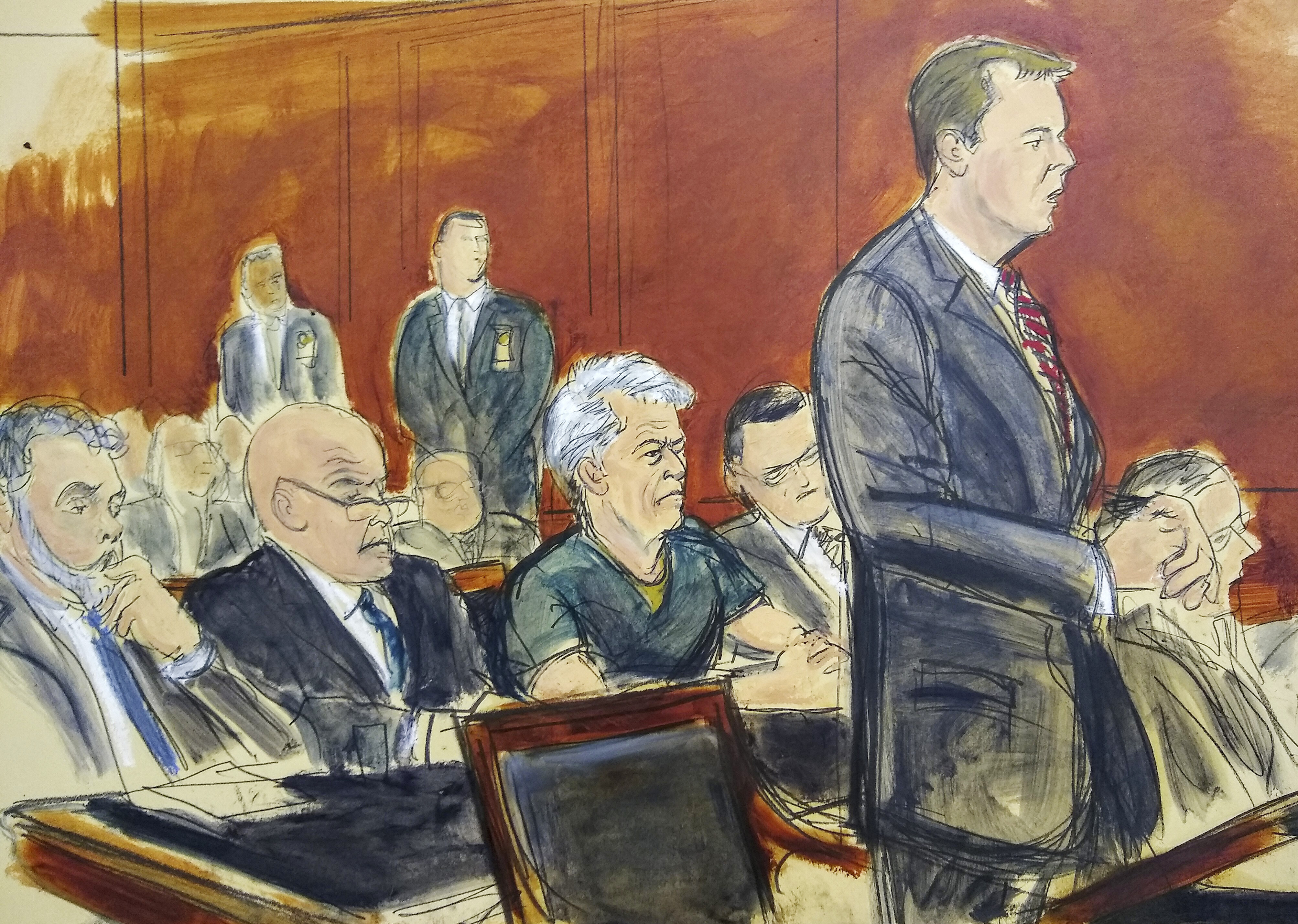
The prosecution sought pre-trial detention, citing the seriousness of the allegations, Epstein’s wealth, international connections, travel resources and potential flight risk. The bail proceedings examined his properties, assets and ability to travel. The court ordered that he remain detained pending trial. The legal record thus provides a detailed account of the government’s allegations and the court’s decision on detention, but not a jury verdict on the 2019 charges.
The case was never completed at trial. Epstein died in custody on August 10, 2019, before a jury could determine the charges in the New York indictment. The 2019 charges therefore remained allegations that were not adjudicated in a completed criminal trial. The broader history of abuse is supported by other legal proceedings, including Maxwell’s conviction, survivor accounts and earlier state proceedings, but the New York indictment itself must not be described as a conviction.
12. Epstein’s death in federal custody
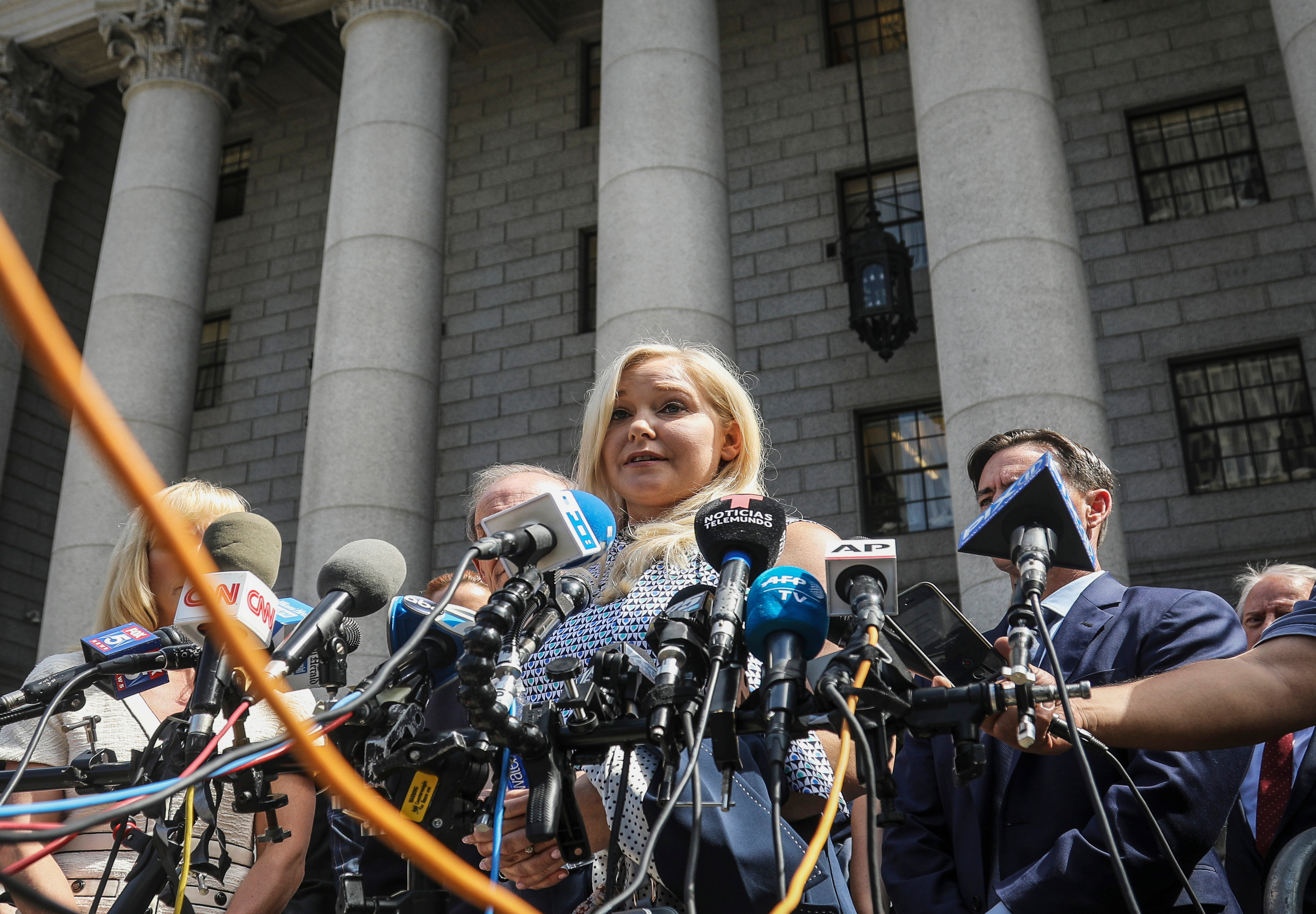
Epstein died at the Metropolitan Correctional Center in Manhattan on August 10, 2019, while awaiting trial. The New York City medical examiner determined that the cause of death was suicide. The FBI investigated the circumstances, and the DOJ Office of the Inspector General later examined the Federal Bureau of Prisons’ custody, care and supervision of Epstein.
The OIG report, published in 2023, identified serious failures at the facility. It found that staff failed to complete required inmate counts and 30-minute rounds, failed to conduct required cell searches and did not adequately supervise the Special Housing Unit. It also found that employees submitted false documents claiming that required counts and rounds had been completed. Staffing shortages further compromised the facility’s ability to supervise inmates.
The Inspector General’s report described how the combination of failures left Epstein alone and unmonitored in his cell for an extended period overnight. The report also examined deficiencies in the facility’s security-camera system. These operational failures were significant because they weakened basic safeguards that the Bureau of Prisons was required to maintain.
At the same time, the OIG stated that it did not uncover evidence contradicting the FBI’s determination regarding the absence of criminality in connection with Epstein’s death. The report therefore documents severe negligence, policy violations and false records, but it does not establish that another person killed Epstein. It is possible to identify institutional failure without claiming that the evidence proves a homicide conspiracy.
Epstein’s death removed the possibility of a completed criminal trial against him. It also intensified public suspicion because he was a high-profile defendant with connections to powerful individuals and because the prison failures were so serious. A sound investigation must distinguish what the records establish from what they do not. Official findings can be scrutinised, but criticism must remain grounded in evidence.

13. The Epstein Files Transparency Act
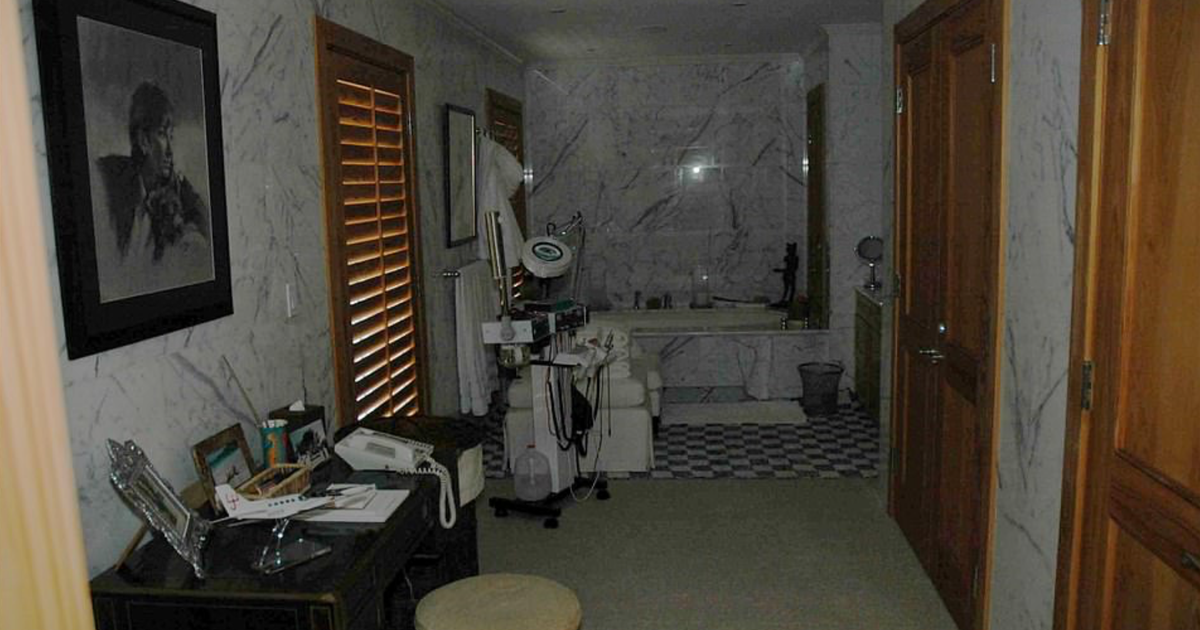
The Epstein Files Transparency Act became law on November 19, 2025, as Public Law 119-38. The legislation required the Attorney General to make unclassified records in the possession of the Department of Justice relating to Epstein publicly available in searchable and downloadable form, subject to the statute’s protections and exceptions.
The covered records include materials relating to Epstein and Maxwell, flight and travel records, government officials and other individuals referenced in connection with the investigations, entities with known or alleged ties to the relevant networks, immunity agreements, internal DOJ communications and records concerning the destruction, alteration or concealment of documents. The law also addresses documentation relating to Epstein’s detention and death.
The Act says records cannot be withheld merely because disclosure might cause embarrassment, reputational harm or political sensitivity to a government official, public figure or foreign dignitary. This provision addressed public concerns that reputational sensitivity could become a reason to conceal information relevant to government conduct.
However, the Act does not require unrestricted release of every item in government possession. It provides protections for victim-identifying information and personal or medical records, child sexual abuse material, information that could compromise active investigations, certain images of death or physical abuse, and classified information relating to national security or foreign policy. The public-interest requirement for transparency must be balanced with these protections.
The statute also requires information about categories of materials released and withheld, the legal basis for redactions and the names of officials and politically exposed persons referenced in the records, subject to the statutory framework. The legal question is whether the department applied those rules consistently, protected survivors and avoided withholding information for reasons the Act does not permit.
A legally justified redaction does not automatically prove a cover-up. Conversely, a poorly justified or excessive redaction should not escape scrutiny. The correct approach is to examine the statutory basis, the document’s context, the information protected and whether a meaningful non-sensitive version can be released.

14. The July 2025 DOJ and FBI memorandum
A significant document in the wider controversy was the DOJ and FBI memorandum published in July 2025. The memorandum described a review of federal investigative holdings relating to Epstein. The agencies said they searched FBI databases, hard drives, network drives and physical locations and reviewed a large volume of digital and documentary evidence.
The memorandum stated that the review found no incriminating “client list.” This conclusion needs careful interpretation. Public discussion frequently treats the phrase “client list” as if there must be one definitive document naming every person who committed an offence or paid to participate in abuse. The government memorandum did not identify such a document. Its conclusion does not mean the investigation contains no contact records, flight logs, associate names or evidence concerning people who interacted with Epstein. It means the DOJ and FBI said they had not uncovered the particular incriminating list that public speculation had repeatedly suggested existed.
The memorandum also stated that the agencies found no credible evidence that Epstein blackmailed prominent individuals as part of his activities. This conclusion is limited to the review described in the memorandum. It should not be stretched into a claim that no private information was ever collected or that no individual ever experienced pressure. The agencies said they did not find credible evidence for the alleged blackmail operation in the material they reviewed.
The memorandum further stated that the review did not uncover evidence that could predicate an investigation against uncharged third parties. This became controversial because survivors, journalists and lawmakers continued to argue that important questions about other people and institutions remained unanswered. The November 2026 House Oversight report later recommended that DOJ interview or re-interview key witnesses and examine particular allegations and relationships more closely.
These developments must be kept separate. The July 2025 memorandum records the DOJ and FBI conclusion from their review at that time. The later House report is a congressional assessment calling for additional investigative work. A recommendation to investigate or re-interview someone is not proof that a criminal offence occurred.
15. The November 10, 2026 House Oversight report
On November 10, 2026, the House Committee on Oversight and Government Reform released a majority staff report titled A Review of the Federal Government’s Mishandling of the Jeffrey Epstein and Ghislaine Maxwell Criminal Investigations. The committee said the report concluded a 15-month investigation that included 19 transcribed interviews and depositions, review of Department of Justice and Epstein estate documents, and extensive examination of financial records.
The committee stated that its inquiry examined the alleged mismanagement of the federal investigations, circumstances surrounding Epstein’s death, the operation of sex-trafficking networks, the use of non-prosecution and plea agreements in sex-crime investigations, how Epstein and Maxwell sought influence and possible ethics issues involving elected officials. Its report describes a long-running recruitment and control network and argues that relationships with powerful people and institutions helped Epstein establish social and financial legitimacy.
The report’s central institutional criticism is that government agencies repeatedly failed survivors. It says that the crimes committed after 2005 could have been prevented and justice served if federal investigators and prosecutors had pursued the allegations more fully. It revisits the 2007 non-prosecution agreement, the Florida sentence and work-release privileges, and the failure to inform survivors about the agreement.
The committee also called for DOJ to interview or re-interview key witnesses, further investigate allegations of criminal activity involving associates where supported by evidence, and provide survivors with access to their records. It recommended legislative action intended to ensure that people with knowledge of abuse can speak freely even where confidentiality arrangements had previously restricted disclosure.
The report also criticised the 2026 disclosure process. It raised concerns about both the handling of redactions and the exposure of sensitive survivor information. This matters because public transparency cannot be achieved by disclosing protected information about victims. The process must allow scrutiny of government action without creating a second injury for survivors.
The report is a majority staff report from a congressional committee, not a criminal judgment. Its findings and recommendations are relevant to oversight and reform, but they do not establish criminal guilt for people who have not been charged or convicted. Its recommendations should be treated as an agenda for further scrutiny, not as a list of proven offences.

16. The names in the files: What can and cannot be inferred?
The most dangerous feature of the public debate is the tendency to treat every reference to a person as evidence of criminality. That is not how investigative records work. A person may appear because their telephone number was recorded, they attended an event, met Epstein professionally, corresponded with him, appeared on a flight record, worked for him, provided a service, was mentioned by a witness, was the subject of an unverified tip or was interviewed by investigators.
These circumstances have different legal meanings. A contact entry may establish that information was recorded. A flight log may show travel. An email may establish communication. An interview may provide a witness’s account. None alone proves participation in abuse. Even repeated association does not automatically prove that a person knew about criminal conduct.
The relevant questions are specific: What did the individual know? When did they know it? Was the information credible? Did they take action? Did they knowingly assist criminal conduct? Is there independent evidence supporting an allegation? Does the record show a completed event, a proposed meeting, an invitation or an unverified claim?
Where a survivor makes an allegation against a named individual, it should be identified as an allegation unless a court has made a finding or the person has been convicted. Where an individual denies an allegation, the denial should be included when relevant and supported by the public record. Where a civil dispute has been settled without an admission of liability, that distinction must be stated. Where someone is merely named in a document, a report should not imply that the person has been accused of a crime.
This is not an attempt to protect powerful people from scrutiny. It is necessary to ensure that the evidence is not distorted. An investigation that wrongly labels innocent people as offenders undermines the credibility of survivors and the accountability process itself. Evidence-led reporting protects both fairness and the integrity of the investigation.
17. How investigators should read a document: A forensic workflow
A large file release creates an opportunity for document analysis, but it also creates a risk of false conclusions. A forensic workflow begins by preserving the source document in its original form. The reviewer records the file name, reference number, source URL or release location, download date and any visible metadata. A copy is retained for analysis so that the original remains unchanged.
The next step is provenance. The analyst asks who created the record, for what purpose, when it was created and how it entered the government’s possession. A police report, a court exhibit, a personal email, a public tip and a media clipping have different origins. A document may be authentic but contain an inaccurate statement. Authenticity and truth are separate questions.
Chronology is then reconstructed. Dates and times from different records are aligned, taking account of time zones, incomplete entries, handwritten amendments and the possibility that a document was created after the event it describes. A travel log can be compared with flight schedules, aircraft records, passport entries, appointment calendars, messages and testimony. A single apparent match should not be treated as definitive without checking the underlying identifiers.
Corroboration comes next. The analyst identifies independent records supporting or contradicting a claim. Two documents copied from the same original are not necessarily independent sources. A witness’s account may be corroborated by a contemporaneous message, a payment record or another witness. A discrepancy does not automatically prove deception; it may reflect memory, transcription, incomplete information or a different time reference.
Finally, the analyst records what the document does not establish. A log entry may not establish purpose. A name may not establish knowledge. A payment may not prove intent. A photograph may not establish the date or location unless the metadata and context support it. Conclusions should be graded according to the strength of the underlying evidence and remain open to revision when new material emerges.
This method resembles the disciplined approach used in other forensic investigations. For a related examination of how documentary and genetic evidence can be combined in a complex cold case, readers may also consult Forensic Times’ case study of the Golden State Killer investigation.

18. What remains unresolved?
The public release of millions of pages has not resolved every question about Epstein’s network. Some questions remain open because records are incomplete, sealed, redacted, difficult to interpret or not yet independently corroborated. Other questions require a new investigative step rather than another document release.
Who knew what, and when? This is central to many professional and institutional relationships. An organisation may have maintained a relationship with Epstein before certain allegations became public. It may have learned new information later. Investigators need to establish the dates, sources and internal decision-making surrounding each warning sign.
Were potential facilitators adequately investigated? The earlier investigation identified people who worked around Epstein. The question is whether law enforcement adequately investigated the conduct and knowledge of people who may have assisted recruitment or facilitated abuse. Maxwell’s conviction answers part of this question, but it does not resolve every possible aspect of the network. The House Oversight Committee’s recommendations for additional interviews reflect its view that further work is needed.
Were financial warning signs addressed? Financial records show that Epstein had substantial assets and complex financial arrangements. A thorough examination should establish which transactions generated internal concerns, how institutions assessed those concerns, whether suspicious activity was reported and whether restrictions were considered. A bank account or transaction alone cannot establish that every person connected with it knew about abuse.
Were disclosures handled properly? The DOJ’s releases raise two separate issues: whether all material required by law was released and whether victims were adequately protected. A disclosure system that exposes survivors is not a successful transparency system. A process that withholds material for reasons unrelated to lawful exemptions would also defeat the purpose of disclosure.
What records remain legally unavailable? Certain materials cannot lawfully be disclosed in full, including child sexual abuse material, protected victim information and classified information. Other records may be withheld under privilege or court orders. The existence of withheld documents does not prove that they contain evidence against a particular person. Each category of withholding should be assessed against its legal basis, with non-sensitive portions released where possible.
19. Institutional lessons from the Epstein case
Victims must be treated as participants in the justice process. The Florida agreement demonstrated the damage caused when victims are not given meaningful information about decisions that affect them. Notification, access to information and the opportunity to raise concerns are essential to a credible prosecution system. Victims should not have to discover after the fact that an agreement has been reached.
Wealth should not determine the quality of prosecution. A wealthy defendant may employ specialist legal teams, maintain multiple residences, travel internationally and develop relationships with influential institutions. Those resources must not result in a weaker application of the law. Investigators need procedures that allow them to examine resources and relationships without being intimidated by professional status.
Non-prosecution agreements need rigorous oversight. Such agreements can be appropriate in some cases, but when serious allegations involve multiple victims and possible facilitators, their scope and consequences must be carefully scrutinised. The decision-making record, legal rationale, immunity provisions, victim consultation and effect on further investigation should be documented.
Financial institutions must examine the substance of risk. Banks and other institutions may see patterns of payments, unusual cash activity or account relationships that are not visible to individual investigators. Their responsibilities include appropriate compliance checks and legally required reporting. A profitable client relationship should not justify ignoring credible risk indicators.
Administrative employees may hold crucial information. People who manage calendars, properties, transport and communications can hold records that reconstruct how an organisation operates. Investigators should not assume that an employee is guilty because of a job. Nor should they overlook employees as potential witnesses. The correct approach is to establish what each person knew and did.
Prison safeguards must be reliable. Required rounds and counts are central to the duty of care owed to people in custody. Facilities must maintain staffing, functioning equipment and independent oversight capable of identifying failures before they become catastrophic. The Inspector General’s report demonstrates what happens when basic systems are not maintained and records are falsified.
Public disclosure must protect survivors. Redaction processes need to be effective, independently reviewable and responsive when mistakes occur. Survivors should have a clear route to request corrections and access their own records, subject to lawful restrictions. Transparency and privacy are not opposing values; they must be managed together.
20. Conclusion: Transparency must lead to accountability
The Epstein files matter because they reveal more than the activities of one wealthy offender. They expose how a system can fail when financial resources, social access, private employment arrangements and institutional decisions combine to make serious allegations difficult to pursue. They show why early investigations must be thorough, why victims must be heard, why non-prosecution agreements require oversight and why public institutions must respond decisively when credible allegations emerge.
The records also demonstrate the limits of disclosure. Millions of pages cannot replace careful investigation. A name in a document cannot substitute for proof. A redaction cannot automatically be treated as a cover-up. A government conclusion should remain open to scrutiny, but criticism must also be grounded in evidence.
Maxwell’s criminal conviction established that Epstein did not operate entirely alone. The Florida investigation, the 2007 agreement, the 2019 federal proceedings, the Inspector General’s review of prison failures, the 2025 DOJ/FBI memorandum, the 2025 transparency law, the 2026 DOJ release and the November 2026 congressional report together form a substantial public record. They also show that accountability depends on more than the publication of documents.
The remaining task is not to convert every public record into an accusation. It is to identify what is established, investigate what is credible and unresolved, protect survivors and ensure that decisions made by public institutions are open to meaningful scrutiny. The measure of accountability will not be the number of pages released or the number of prominent names discussed. It will be whether the evidence is properly investigated, whether victims receive justice and whether the institutional failures exposed by this case are prevented from happening again.
Editorial source note
This case study draws on the U.S. Department of Justice’s Epstein Files Library and January 30, 2026 release announcement; the Epstein Files Transparency Act, Public Law 119-38; the July 2025 DOJ/FBI memorandum; the DOJ Office of Professional Responsibility’s 2020 executive summary; the DOJ Office of the Inspector General’s 2023 report on the Bureau of Prisons’ custody, care and supervision of Epstein; the July 2019 federal indictment and related Southern District of New York records; the Ghislaine Maxwell trial, sentencing and appellate records; and the November 10, 2026 House Oversight Committee majority staff report.
Legal and editorial standard: The 2019 indictment contained allegations that were not adjudicated at trial because Epstein died before the case could proceed. Maxwell’s conviction is an established legal outcome. The July 2025 DOJ/FBI memorandum states the agencies’ conclusions about the alleged client list and blackmail evidence. The November 2026 House report is a congressional majority staff assessment, not a criminal judgment. Names in contact books, flight records or correspondence must not be treated as proof of wrongdoing.
Photo note: The images are archival and contextual illustrations credited in their captions. Forensic Times should confirm commercial-use rights and any attribution requirements before retaining externally hosted photographs. Images of survivors must be used respectfully and must not expose protected personal information.
Forensic Times | Intel – Investigate – Justice