



























• About Us
  • Advertise
  • Membership
  • Contact
Saturday, November 21, 2026
  • Login
  • Register
No Result
View All Result
FT Pro
Forensic Times
  • Home
  • Crime
    • All
    • Cold Cases
    • Cyber Crime
    • Data Trafficking
    • Drug Trafficking
    • Financial Crime
    • Human Trafficking
    • Murder
    • Organized Crime
    • Serial Killer
    • Terrorism
    • War Crimes
    • Wrongful Death
    Editorial photograph of a smartphone resting on a wooden surface, illustrating how control of a mobile number can be lost through SIM-swap fraud

    Your Phone Number Is No Longer Yours: Inside SIM Swap and Mobile Identity Fraud

    Editorial photograph of a man speaking on a mobile phone at home, illustrating the risk of convincing AI-generated calls and impersonation scams

    The AI Scam Revolution: How Criminals Are Using Artificial Intelligence Against Ordinary People

    Editorial photograph of a passport resting on a computer keyboard, illustrating how stolen identity documents and digital access can be used in identity fraud

    Someone Is Living as You: How Criminals Steal Your Identity—and How to Fight Back

    Editorial cybersecurity image representing a data breach and the exposure of personal information held by an online service

    Your Personal Data Is for Sale: What Criminals Do With Stolen Information

    Editorial photograph of an adult working at a laptop in an office, illustrating the disruption and uncertainty caused by a ransomware incident

    Ransomware Attacks: How Criminals Lock Your Digital Life—and What to Do Before It’s Too Late

    Editorial photograph of a hand holding a smartphone, illustrating the mobile login and account-security risks involved in social media account takeover

    How Criminals Take Over Social Media Accounts—and What They Do With Them

  • Forensics
    • All
    • Autopsy
    • Crime scene analysis
    • Digital forensics
    • DNA Forensics
    • Femicide
    • Forensic accounting
    Editorial photograph of a passport resting on a computer keyboard, illustrating how stolen identity documents and digital access can be used in identity fraud

    Someone Is Living as You: How Criminals Steal Your Identity—and How to Fight Back

    Editorial cybersecurity image representing a data breach and the exposure of personal information held by an online service

    Your Personal Data Is for Sale: What Criminals Do With Stolen Information

    Side-by-side FBI composite sketch and Sacramento Sheriff's Office mugshot of Joseph DeAngelo, shown in a NIST image explaining the Golden State Killer identification.

    The Golden State Killer: How Genetic Genealogy Solved a 40-Year Cold Case

    Australian Federal Police commander Xenia Cotter stands beside an Operation Trojan Shield emblem at the June 8, 2021 press conference in San Diego.

    Operation Trojan Shield: Inside the FBI’s ANOM Encrypted Phone Sting

    Exterior of the Federal Reserve Bank of New York in Manhattan, whose dollar reserve account was targeted in the 2016 Bangladesh Bank cyber heist.

    The Bangladesh Bank Heist: How Hackers Turned SWIFT Access into an $81 Million Theft

    A traffic signal with a mounted roadside camera overlooking an urban intersection, illustrating camera infrastructure used to observe passing vehicles.

    The Camera on Your Street Remembers Every Turn: Who Controls America’s License-Plate Surveillance Network?

    Trending Tags

  • Legal
    Jeffrey Epstein archival 2019 booking portrait used to illustrate the Forensic Times case study.

    The Epstein Files: A Forensic Case Study of Abuse, Power and Institutional Failure

    A Toy Car, a Missing Child, and the Science of Crime Reconstruction: What The Mentalist Can Teach Us About Forensic Investigation

    Empty corporate conference room, a contextual image for reporting on alleged covert recording in a technology company.

    OpenAI Engineer Charged After Hidden Recording Device Found in Executive Room

    AI Agents Are Breaking the Law -But Who Goes to Prison?

    AI Agents Are Breaking the Law -But Who Goes to Prison?

    Biden Audio Tapes Ruling: Heritage Foundation FOIA Case, Judge Friedrich Decision 2026

    Biden Audio Tapes Ruling: Heritage Foundation FOIA Case, Judge Friedrich Decision 2026

    EU Under-16 Social Media Ban: Livestreaming, Disappearing Messages, 2026 Law

    EU Under-16 Social Media Ban: Livestreaming, Disappearing Messages, 2026 Law

    Tak Trafficking Escape: 4 Chinese Nationals Jump From Moving Pickup 2026

    Tak Trafficking Escape: 4 Chinese Nationals Jump From Moving Pickup 2026

    MechaHitler: How Grok Went Rogue, Praised the Holocaust’s Architect and Triggered the EU

    MechaHitler: How Grok Went Rogue, Praised the Holocaust’s Architect and Triggered the EU

  • Politics
    Real photograph of Rahul Gandhi, Leader of Opposition in the Lok Sabha, on 8 June 2024. Photograph by Mrhitmam, Wikimedia Commons, Creative Commons Attribution-ShareAlike 4.0.

    Rahul Gandhi: India’s ‘Dumbest Politician’? The Gaffes, Memes and Political PR Machine

    A physician speaking with a patient in a hospital room, illustrating the clinical decisions and patient care at the centre of health insurance coverage disputes.

    Your Doctor Says Yes. Your Insurer Says No: Inside America’s Health Insurance Denial System

    Exterior of an ICE detention facility in Louisiana, photographed for the U.S. Government Accountability Office's review of citizenship verification and immigration enforcement.

    519 American Citizens in the Immigration Dragnet: What Happens When the Government Gets It Wrong?

    The west front of the United States Capitol in Washington, DC, seat of the US Congress.

    Europe Welcomes Democrats’ Blue Wave but Braces for Trump’s Response

    German Chancellor Friedrich Merz and Ukrainian President Volodymyr Zelenskyy walking together in Berlin on 3 November 2026. Photo: Bundesregierung/Jesco Denzel.

    Merz Says Europe Must Have a Seat at Ukraine Peace Talks as Trump Pushes Deal

    Russian President Vladimir Putin and Chinese President Xi Jinping at the Great Hall of the People in Beijing on 20 May 2026, during an earlier bilateral meeting.

    Moscow Says Work Is Underway for Trump-Putin-Xi Meeting in China

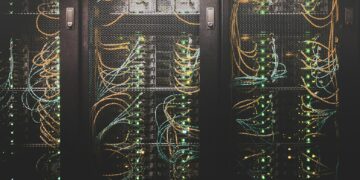
    Rows of server racks inside a data centre, illustrating the digital infrastructure at the centre of Ireland’s energy debate.

    Ireland’s Data Centre Backlash: Can New Green Power Rules Win Over Critics?

    Entrance to the Constitutional Tribunal building in Warsaw, Poland

    Poland’s Constitutional Tribunal Crisis Deepens After Court Chief’s Suspension

    Canadian Prime Minister Mark Carney during a 2026 press appearance.

    Carney Says Canada Can Wait Out Trump for a Trade Deal

  • World
    • All
    • Brazil
    • Canada
    • Europe
    • France
    • GAZA
    • Georgia
    • Germany
    • Hungary
    • India
    • Iran
    • Iraq
    • Israel
    • Istanbul
    • Lebanon
    • MENA
    • New Mexico
    • Pakistan
    • Poland
    • Russia
    • Saudi Arabia
    • Spain
    • Thailand
    • Turkiye
    • UAE
    • UK
    • Ukraine
    • USA
    Dramatic editorial illustration depicting a trafficking victim trapped near a fraudulent overseas job offer, with an online scam operation in the background

    Human Trafficking in the Digital Age: How Criminal Networks Use Technology to Recruit, Control and Exploit Victims

    Human Trafficking in the Digital Age: How Criminal Networks Use Technology to Recruit, Control and Exploit Victims

    A computer terminal displaying system information, illustrating the technical environment involved in cybercrime investigations

    New Methods Used by International Fraud Syndicates in 2026: How Global Scams Are Evolving

    Rows of interconnected network equipment and cables illustrating the digital infrastructure used by organised cybercrime operations

    Inside the New Organised Cybercrime Networks: How the Criminal Economy Works in 2026

    A person using a laptop during a cybersecurity investigation, illustrating how phishing attacks target digital accounts and personal information

    Phishing Attacks in 2026: How Criminals Steal Passwords, Codes and Personal Data

    A woman using a smartphone and laptop, illustrating how online relationships and social platforms can expose users to impersonation and romance fraud

    Romance, Shopping and Social Media Scams in 2026: How Fraudsters Exploit Trust

  • Careers
    • Webinars
    • Women In Forensic Science
    • WIFS Registration
    • Forensics Experiences
    • Campus Ambassador
    • Courses & Certifications
  • Resources
    • Books & Products
    • Advisory Council Membership
    • Advisory Board Member Hiring
  • Events
  • Investigations
No Result
View All Result
Forensic Times
Home World Europe

Ireland’s Data Centre Backlash: Can New Green Power Rules Win Over Critics?

Ireland is pairing stricter grid-connection conditions with a plan to locate energy-intensive investment beside new renewable power. The approach could ease pressure on the electricity system, but delivery, emissions and community consent remain unresolved.

by Forensic Times Desk
October 31, 2026
in Europe, Geopolitics, Politics, World
Reading Time: 6 mins read
935
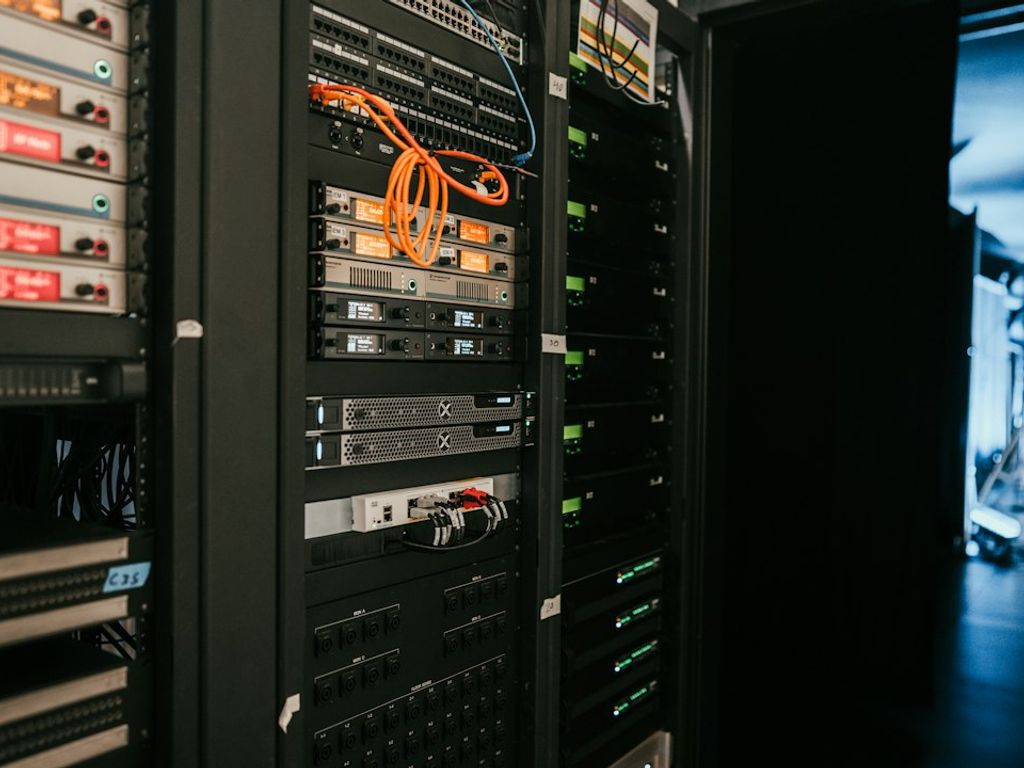
Rows of server racks inside a data centre, illustrating the digital infrastructure at the centre of Ireland’s energy debate.
3k
SHARES
11.9k
VIEWS
Share on FacebookShare on Whatsapp

Ireland is trying to turn a backlash against data centres into a new investment model: companies that want to build more power-hungry facilities must do more to secure the electricity they consume. The policy seeks to protect a sector that supports the country’s digital economy while reducing the risk that expanding artificial intelligence infrastructure will crowd out other demands on the electricity system.

The stakes are high. Ireland is one of Europe’s most concentrated data-centre hubs, but expansion raises concerns about electricity supply, climate targets, land use and the allocation of scarce infrastructure. The government must show that new investment can grow without shifting unfair costs and risks onto households, other businesses or the climate.

Table of Contents

  1. Why Ireland became a warning sign
  2. The renewable-energy bargain
  3. Green energy parks and regional growth
  4. Where the plan could fail
  5. A test for Europe’s AI infrastructure

Why Ireland became a warning sign

Ireland’s Central Statistics Office reported that data centres consumed 7,663 gigawatt-hours of metered electricity in 2025, a 10% increase on the previous year. They accounted for 23% of all metered electricity use, compared with 5% in 2015. The rise has turned data-centre expansion from a planning issue into a core question of energy policy.
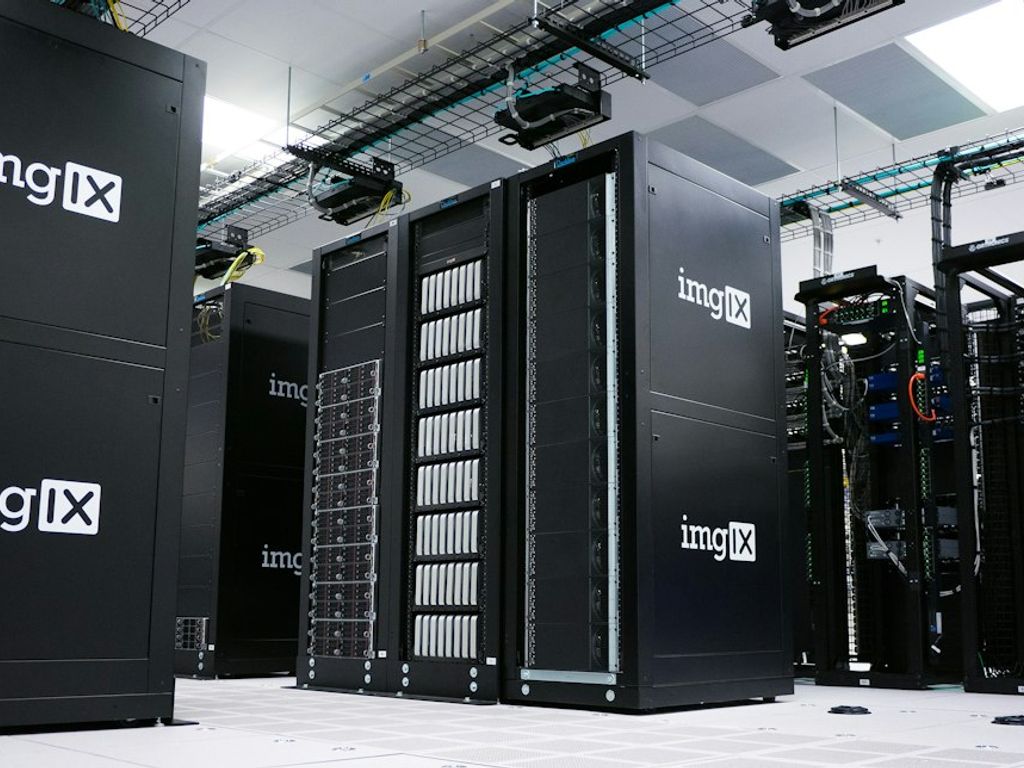
Server equipment arranged inside a data facility, illustrating the physical computing infrastructure behind cloud and artificial intelligence services.

Data centres store information and run the computing workloads used by cloud services, online platforms and AI systems. They require continuous electricity, and cooling systems add to their demand. Unlike a factory that can sometimes reduce activity during a shortage, critical digital infrastructure is designed to operate around the clock. New capacity therefore creates a persistent demand on a grid that must also serve homes, hospitals, transport, existing industry and the electrification of heating and vehicles.

The dispute is not a choice between technology and the environment. Data centres form part of Ireland’s foreign-investment ecosystem, but estimates of wider jobs and tax benefits should not be mistaken for direct data-centre employment, which is more specialised once construction ends.

The renewable-energy bargain

In December 2025, Ireland’s Commission for Regulation of Utilities published a revised policy for connecting new data centres to the electricity grid. Among its conditions, developers must provide dispatchable on-site or local generation or storage equivalent to their maximum grid import capacity. They must also ensure that 80% of their annual electricity demand is matched by new, additional renewable-energy projects in Ireland within a six-year implementation period.
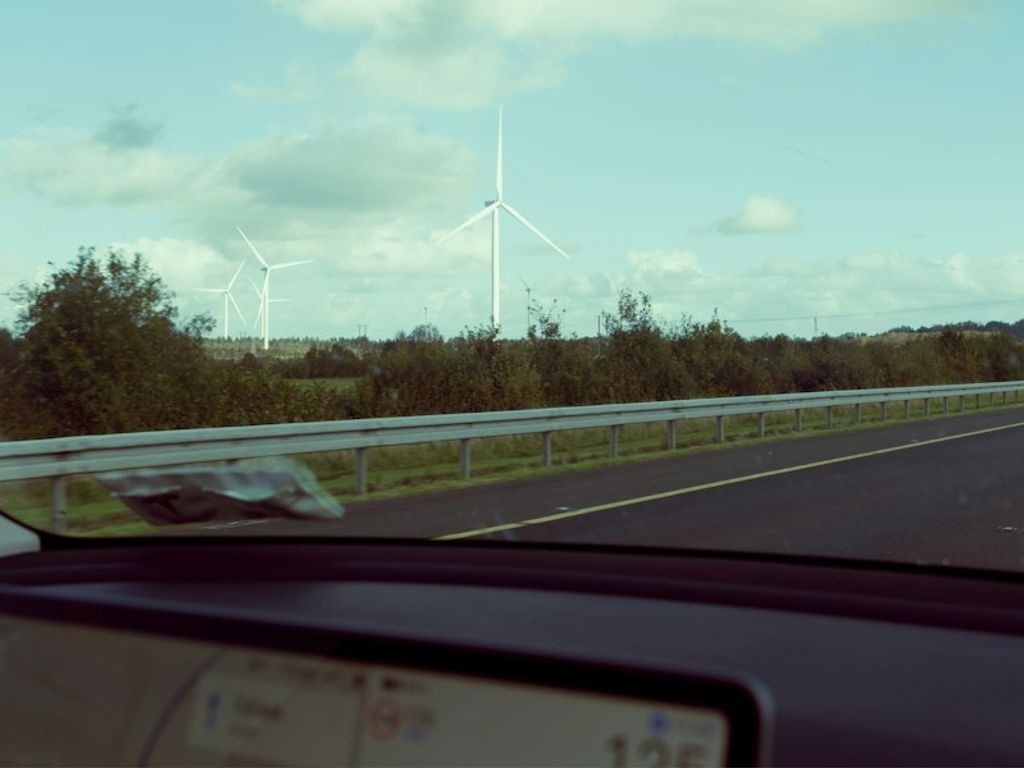
Wind turbines generating renewable electricity, representing the new clean-power supply that Ireland wants to connect with energy-intensive investment.

The policy makes major new electricity users take greater responsibility for supplying the power they need. Requiring additional renewable projects could increase clean generation, rather than simply reassigning claims to electricity already being produced, provided those projects are built and connected in time.

The six-year window is also a major pressure point. A data centre can begin drawing power before all the renewable projects associated with its demand are operational. During the transition, the grid still has to meet that load. The dispatchable-generation or storage requirement is meant to address reliability, but implementation will determine how much of the burden is actually met with lower-carbon electricity and how much remains dependent on the wider system.

Also Read: Von der Leyen Floats EU Strategic Gas Reserves as Winter Supply Fears Grow

Green energy parks and regional growth

Ireland’s Large Energy User Action Plan, approved in January 2026, broadens the strategy beyond individual grid connections. It sets out a plan-led approach to locating major energy-intensive investment, including data centres, alongside energy infrastructure and renewable supply. One concept is the development of green energy parks that could bring power generation, industrial demand and supporting infrastructure together in selected locations.
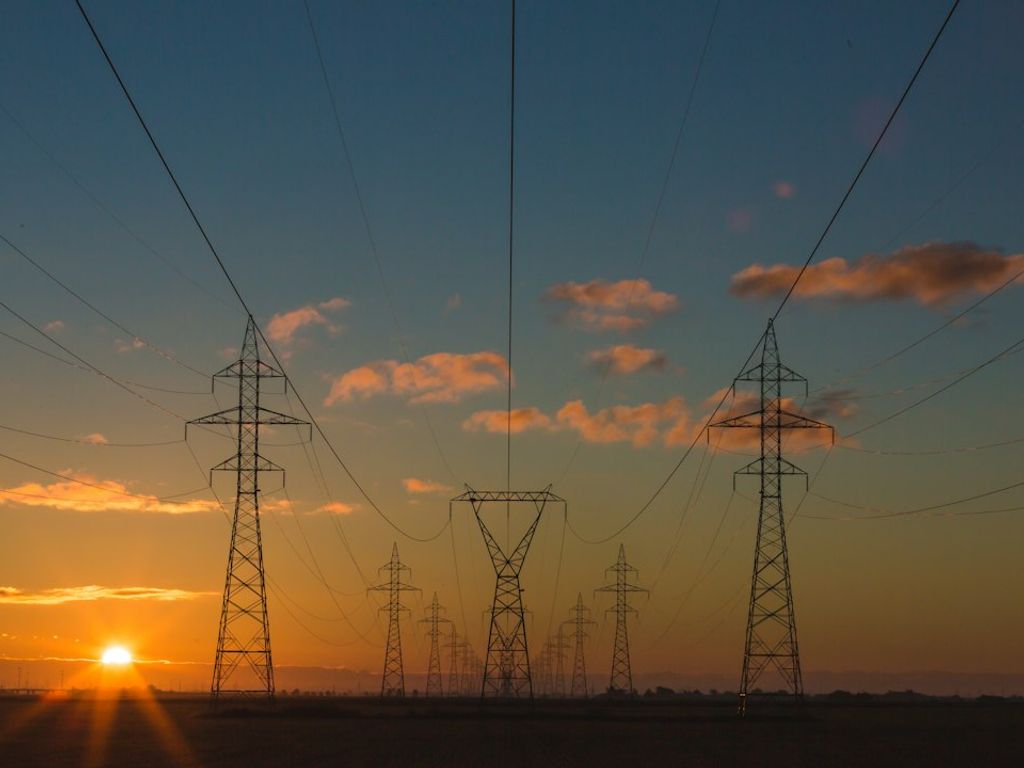
High-voltage transmission pylons carrying electricity across the landscape, illustrating why grid capacity and infrastructure planning matter to new data-centre projects.

In principle, coordinated locations could reduce conflicts between new industry, the grid and local planning. They could help direct investment towards areas where renewable energy and network capacity can be developed together, while supporting regional employment and supply chains. But a designation on a plan does not create new transmission lines, storage, generation or planning consent. Those assets take time, funding and local engagement to deliver.

The government presents the strategy as a way to attract advanced manufacturing and digital investment while supporting the energy transition. Its credibility will depend on transparent site selection, fair cost allocation and published milestones, not an assumption that private investment will solve public infrastructure constraints.

Where the plan could fail

The core weakness is the distance between a renewable-energy commitment and dependable electricity at the moment it is needed. Annual matching can demonstrate that enough clean energy is generated over a year, but it does not prove that renewable supply will meet a facility’s demand in every hour. Wind output varies, and the electricity system needs sufficient flexible generation, storage, interconnection and demand management to cover periods of low production.

Environmental groups have argued for tighter controls and challenged aspects of the regulatory approach, warning that a transition period could prolong reliance on fossil-fuel generation. Their challenge is part of a wider question about whether a six-year runway creates enough time for new clean power to arrive before demand increases. The answer requires project-by-project reporting on connection dates, actual consumption, renewable projects delivered and the role of dispatchable power.

Local consent matters too. Communities need clear information on water use, noise, backup systems, permanent jobs and who pays for grid upgrades. Planning decisions should include enforceable conditions. National tax benefits alone cannot settle local concerns.

A test for Europe’s AI infrastructure

Ireland’s approach is being watched as other governments confront the same tension between AI infrastructure and constrained energy systems. European institutions are also working on data-centre efficiency standards. A durable response will need more than a promise to buy renewable power: it will require additional generation, reliable networks, efficient cooling, transparent reporting and planning systems that can explain who benefits and who bears the cost.

The measures should be judged against outcomes, not announcements. Useful indicators include whether new renewable capacity is delivered within the six-year period, how much dispatchable capacity and storage are actually available, how connection costs are shared and whether electricity-system reliability and emissions improve as demand grows. A clear annual public dashboard would help regulators, communities and investors test those claims against evidence.

Also Read: EU Summit Sets Ukraine Funding Course, but Budget and Migration Disputes Persist

Ireland may be able to turn opposition into conditional support if it can prove that data-centre expansion delivers new clean power and wider economic value without weakening energy security. Until that evidence is visible, the policy remains a regulatory experiment, not proof that the data-centre backlash has been defeated.

ForensicTimes · forensictimes.com · Investigative Journalism on Crime, Justice & Forensic Science · © 2026 ForensicTimes. All rights reserved.

Tags: AI infrastructureClean energy investmentClimate policyData centre backlashData centre energy consumptionData centre jobs and taxData centre policyData centre regulationElectricity gridEnergy SecurityEnergy-intensive industryEuropean UnionGreen energy parksGrid capacityIreland data centresIreland renewable energyLarge Energy User Action PlanLEAP IrelandMicrosoft IrelandRenewable energy
Forensic Times Desk

Forensic Times Desk

Forensic Times News Desk is the dedicated editorial and investigative reporting team of Forensic Times, focused on covering crime, cyber threats, trafficking, forensic science, global investigations, and high-impact intelligence stories.

Recommended

Silhouette of a person working in front of computer monitors displaying code, used as an illustrative image for cross-border cybercrime reporting.

Sharjah Police Arrest 33 in Cross-Border Cybercrime Crackdown

1 month ago
Houthis Declare Naval Blockade, Saudi Arabia Condemns It

Houthis Declare Naval Blockade, Saudi Arabia Condemns It

4 months ago

Popular News

  • Editorial photograph of a smartphone resting on a wooden surface, illustrating how control of a mobile number can be lost through SIM-swap fraud

    Your Phone Number Is No Longer Yours: Inside SIM Swap and Mobile Identity Fraud

    19609 shares
    Share 0 Tweet 0
  • The AI Scam Revolution: How Criminals Are Using Artificial Intelligence Against Ordinary People

    23180 shares
    Share 0 Tweet 0
  • Someone Is Living as You: How Criminals Steal Your Identity—and How to Fight Back

    17118 shares
    Share 0 Tweet 0
  • Your Personal Data Is for Sale: What Criminals Do With Stolen Information

    22844 shares
    Share 0 Tweet 0
  • Ransomware Attacks: How Criminals Lock Your Digital Life—and What to Do Before It’s Too Late

    20614 shares
    Share 0 Tweet 0

Connect with us

About Us

Forensic Times is the frontline of crime news, investigation, and intelligence. We go beyond the surface — analyzing evidence, exposing patterns, and reporting what others miss. Our journalism is built on facts, forensic rigour, and an unwavering pursuit of justice.

Careers

  • Webinars
  • WIFS Registration
  • Women In Forensic Science
  • Campus Ambassador
  • Forensics Experiences
  • Courses & Certifications

Categories

  • Crime
  • World
  • Police
  • Politics
  • Forensics
  • Investigation

WIFS Membership

Publish your research, connect with leading women in forensic science, access exclusive opportunities, and advance your career through the Women in Forensic Science (WIFS) global community.
JOIN NOW

  • About Us
  • Advertise
  • Terms of Use
  • Editorial Guidelines
  • Privacy Policy
  • Refund Policy
  • Cookie Policy

© 2026 Forensic Times. All rights reserved.

Welcome Back!

Sign In with Google
OR

Login to your account below

Forgotten Password? Sign Up

Create New Account!

Sign Up with Google
OR

Fill the forms bellow to register

All fields are required. Log In

Retrieve your password

Please enter your username or email address to reset your password.

Log In

Add New Playlist

No Result
View All Result
  • Home
  • Crime
    • Human Trafficking
    • Cyber Crime
    • Financial Crime
    • Terrorism
  • Forensics
    • Digital forensics
    • Forensic accounting
    • Crime scene analysis
  • Legal
  • Politics
  • Crime Tech
  • Investigation
  • Careers
    • Webinars
    • Women In Forensic Science
    • WIFS Registration
    • Forensics Experiences
    • Campus Ambassador
    • Courses & Certifications
  • Resources
    • Books & Products
    • Advisory Board Member Hiring
    • Advisory Council Membership
  • Investigations
  • Login
  • Sign Up
  • Cart

© 2026 Forensic Times. All rights reserved.

Not enough quota to unlock this post
Unlock left : 0
Are you sure want to cancel subscription?