Table of Contents
- The Independent Autopsy Results
- What Happened on Horn Island
- How His Body Was Found
- The Discoloration Finding
- Why the Family Commissioned a Second Autopsy
- The Official Autopsy Remains Sealed
- The Grand Jury Commitment
- Forensic Analysis and Intelligence
- Law and Legal Implications
- What Would Actually Resolve This
The Independent Autopsy Results
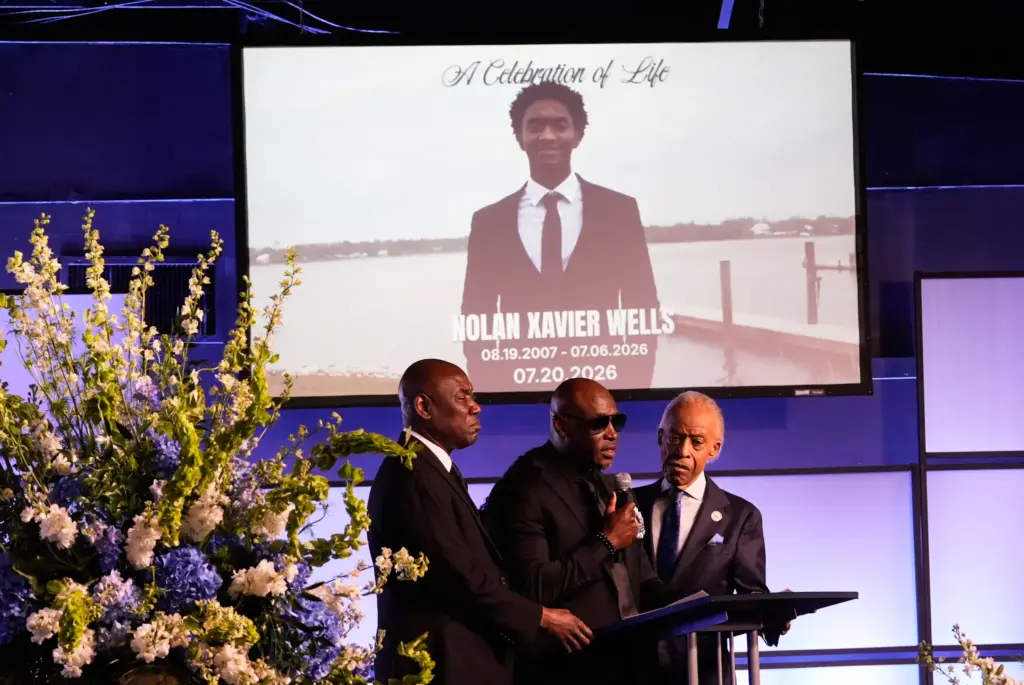
The cause and manner of death of 18-year-old Nolan Wells remain undetermined pending investigation, according to results from a privately funded independent autopsy announced Wednesday, July 22, 2026, by attorney Ben Crump, who represents Wells’ family. The autopsy was performed July 10 by Dr. Roger Mitchell, a board-certified forensic pathologist and president of the National Medical Association, six days after Wells disappeared and four days after his body was found. Crump said the report did not include a toxicology analysis.
What Happened on Horn Island
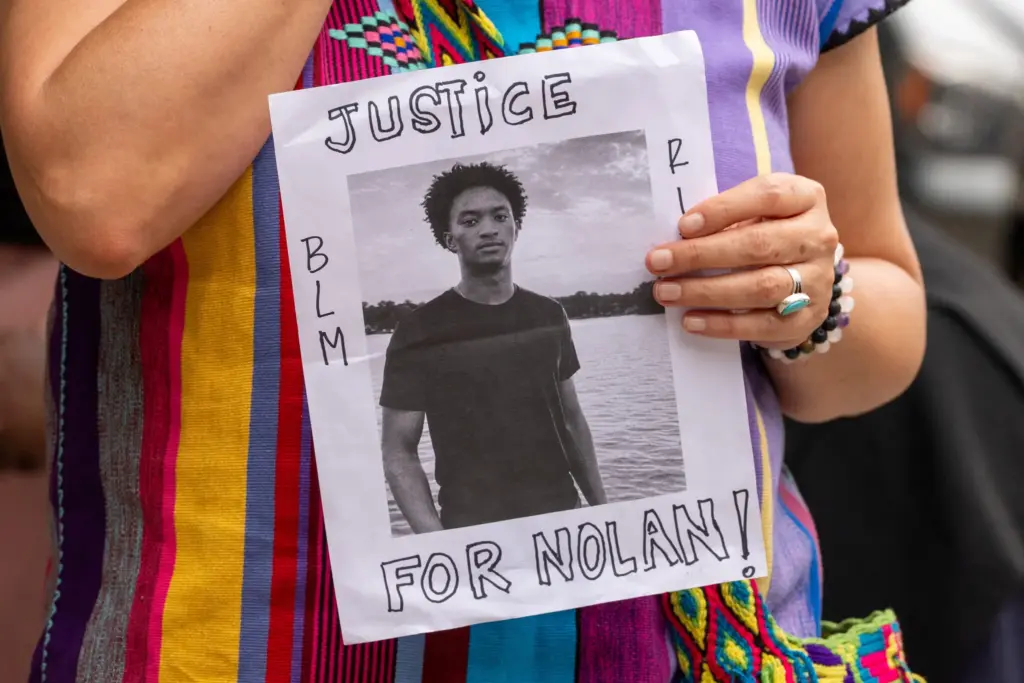
Wells traveled by boat to Horn Island, a remote, uninhabited barrier island roughly 10 miles off the Mississippi Gulf Coast, with high school and college friends on July 4, 2026. When the group returned to the mainland later that day, Wells was not with them. His friends told authorities Wells had chosen to stay behind to speak with a girl and said he would return to the mainland later. Friend Lucas Aviz described the island as packed that day, with boats practically on top of each other. Wells’ father, Elmore Wonsley, told CBS Mornings he did not believe his son would have stayed behind voluntarily, saying Nolan always stays with the group.
How His Body Was Found
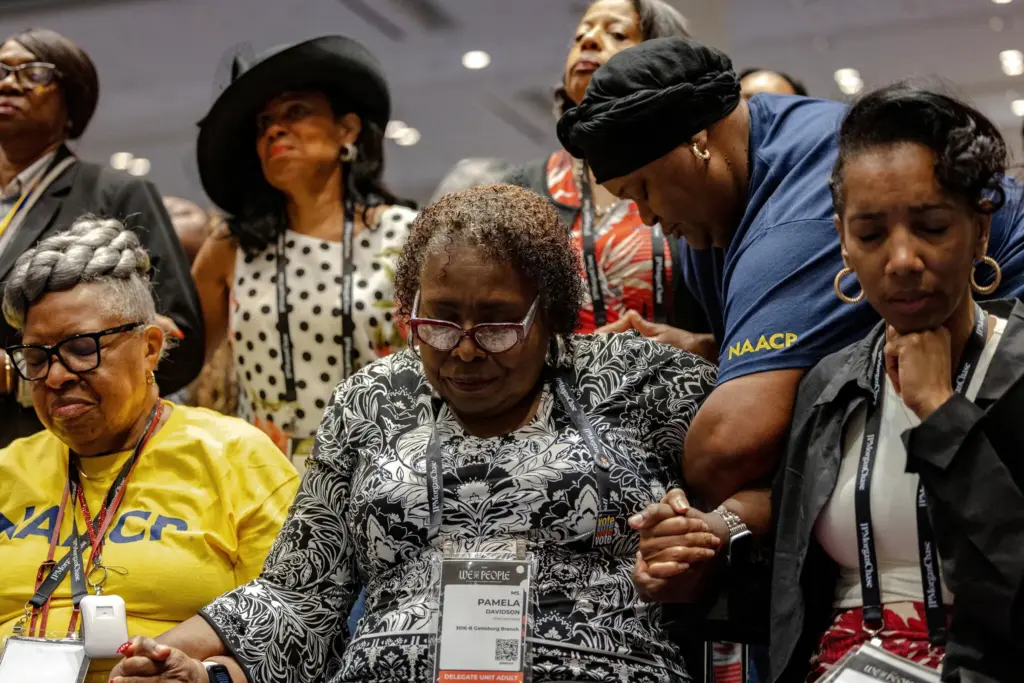
A U.S. park ranger discovered a body in the water near the island’s northwestern shoreline on the morning of July 6, following a multi-agency search involving the U.S. Coast Guard, the Mississippi Department of Marine Resources, and the National Park Service. Jackson County Coroner Bruce Lynd confirmed via dental records and DNA testing that the body was Wells. Jackson County Sheriff John Ledbetter said investigators did not initially suspect foul play, and some who know Horn Island well told NBC News it would not be surprising for someone to be pulled into a current and drown, particularly on the island’s western side.
The Discoloration Finding
Dr. Mitchell’s report identified red discoloration in the soft tissue at the back of Wells’ head, though the report does not establish what caused it or whether it relates to his death. Dr. Kendall Von Crowns, chief medical examiner in Tarrant County, Texas, who was not involved in the case, said the discoloration could represent decompositional changes in the musculature, or could instead reflect blunt force injury to the back of the head and neck, a distinction the independent autopsy alone could not resolve.
Why the Family Commissioned a Second Autopsy
Wells’ parents and Crump rejected suggestions from law enforcement that the teenager simply drowned, citing his athletic build and skill as a swimmer, and launched their own investigation including the independent autopsy. Wells attended Ocean Springs High School and was a rising sophomore wide receiver on Southwest Mississippi Community College’s football team. The case has drawn national attention and speculation, including questions about whether race may have played a role, given Mississippi’s fraught racial history and photos from the trip showing Wells, who is Black, surrounded largely by white friends, though at least one other Black friend was also present on the trip. No evidence establishing a specific cause tied to that speculation has been confirmed in reporting to date.
The Official Autopsy Remains Sealed
A separate official autopsy was conducted by the Mississippi State Medical Examiner’s Office Coast Lab on July 7, the day after Wells’ body was found, but its results had not been made public as of the independent autopsy’s release. The gap between the two autopsies, one privately commissioned and released with limited findings, the other official and still sealed, has itself become a point of public frustration cited by Wells’ family and their legal team.
The Grand Jury Commitment
Wells’ family and their legal team met with Jackson County District Attorney Angel Myers McIlrath, who Crump said committed to presenting the case to a grand jury once the investigation concludes. Civil rights leader Reverend Al Sharpton, who joined Wells’ parents in publicly calling for transparency, pledged $50,000 from his National Action Network toward leads on what happened to Wells, part of a reward that has reportedly grown to $125,000 with additional contributions.
Forensic Analysis and Intelligence
The core forensic tension in this case is the gap between what a privately commissioned, limited-scope autopsy can establish and what a full official examination, including toxicology, would be needed to resolve. Dr. Mitchell’s finding of red discoloration is a genuine data point, but its diagnostic ambiguity, decompositional change versus blunt force trauma, is a textbook example of a finding that requires corroborating evidence, histological tissue analysis, or comparison against the official examiner’s contemporaneous findings, to move from possible to probable. The absence of a toxicology report in the independent autopsy is itself a meaningful gap, since toxicology results could help distinguish between an incapacitating medical event, alcohol or substance involvement consistent with the described beach atmosphere, and an assault, three very different explanatory pathways that remain simultaneously open.
The timeline itself carries evidentiary weight: a body recovered floating near shore two days after last contact, in a location known locally for strong currents on its western side, is consistent with either an accidental drowning or a body disposed of in water following an unrelated cause of death, and forensic pathology alone typically cannot distinguish between these scenarios once decomposition and water exposure have begun altering tissue, which is precisely the ambiguity Dr. Von Crowns flagged regarding the discoloration finding.
Law and Legal Implications
Jackson County District Attorney McIlrath’s commitment to present the case to a grand jury once the investigation concludes reflects standard Mississippi procedure for cases with an undetermined manner of death where foul play cannot be excluded, since a grand jury proceeding does not require prosecutors to have already identified a suspect or theory of the crime, only sufficient unresolved questions to warrant formal review. The undetermined manner-of-death classification itself carries legal significance distinct from a ruling of accidental death or homicide: it leaves the case formally open for further investigation and preserves the possibility of future charges should additional evidence, including the still-unreleased official autopsy or subsequent toxicology, later support a different conclusion.
What Would Actually Resolve This
It remains unclear when or whether the Mississippi State Medical Examiner’s Office will release its official autopsy findings, a gap that has fueled much of the public frustration surrounding the case. Whether the red discoloration Dr. Mitchell identified will be further tested through histological analysis capable of distinguishing decompositional change from blunt force trauma has not been confirmed. The absence of toxicology results from the independent autopsy leaves open whether alcohol or other substances played any role in the circumstances leading to Wells’ death. Forensic Times continues to monitor the Jackson County investigation and any release of the official state autopsy findings.
ForensicTimes · forensictimes.com · Global Investigative Journalism on Crime, Justice, and Forensic Science · This report reflects verified open-source and wire reporting current as of publication. © 2026 ForensicTimes. All Rights Reserved.