





















France’s latest wave of riots has quickly become a test of political credibility ahead of the 2027 presidential election. The unrest gives Marine Le Pen an opportunity to frame herself as a law-and-order alternative, but the crisis also carries risks for rivals on the left and in the political centre. Voters may punish a government seen as unprepared, yet they may also reject candidates who appear to exploit disorder or excuse violence.
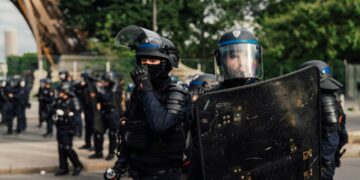
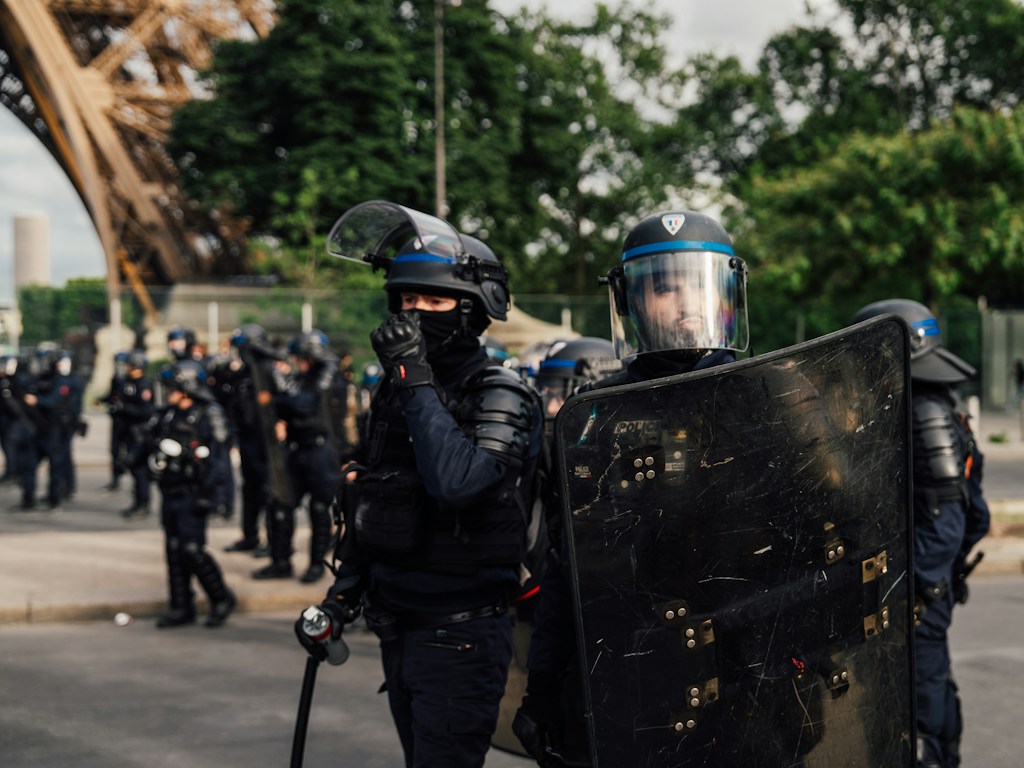
The demonstrations began around grievances including school conditions and the cost of living. Hundreds of thousands of people reportedly joined peaceful marches, while separate groups in several cities set fires, looted businesses and damaged public buildings. Authorities reported about 2,400 arrests over the weekend. Those figures describe a serious public-order crisis, but they do not make all demonstrators responsible for the crimes committed by some participants.
Also Read: France Orders Partial Curfews After Riots as Lecornu Faces Security Scrutiny
What the evidence shows
The first investigative distinction is between peaceful mobilisation, organised political action and opportunistic crime. Police and government officials have blamed radical far-left groups for helping fuel the violence. But police expert Sebastian Roché has cautioned that the far-left fringe is too small and loosely organised to explain the scale of the disorder on its own. Different actors can operate at the same time, and looting for goods is not automatically evidence of a political operation.
That matters electorally because broad blame can obscure what actually happened. The questions requiring evidence are who initiated specific attacks, whether groups coordinated across locations, how police assessed the risk before the marches and whether public warnings were acted upon. Arrest totals show the scale of enforcement activity, not the guilt of each person arrested or a proven conspiracy behind the unrest.
Le Pen’s opportunity also carries risk
Marine Le Pen, leader of the National Rally, is already a leading contender for 2027. The riots give her a familiar argument: that the state has lost control and voters need a tougher approach to public order. Her response has sought to portray the incumbent administration as weakened and herself as capable of restoring stability.
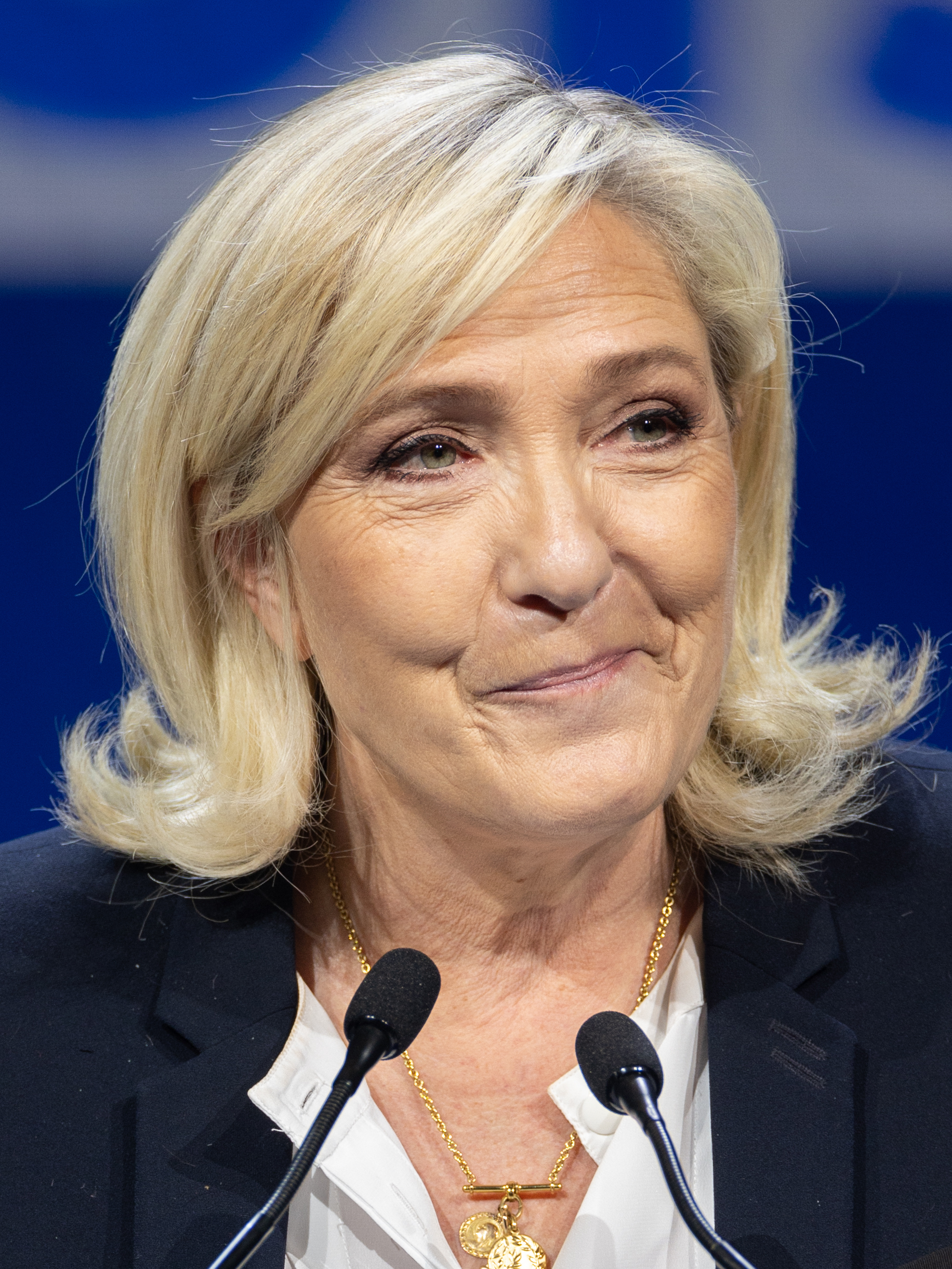
The advantage is immediate visibility. When television coverage focuses on arson, looting and public buildings under attack, a candidate promising order can gain agenda-setting power without needing to dominate every policy debate. The risk is that a highly polarising figure can strengthen concerns among voters who fear further social division. The crisis may elevate law and order while also making national cohesion, police conduct and the treatment of disadvantaged communities more important issues.
A strong electoral message is not the same as proof that a candidate can reduce crime or manage protests effectively. Voters will have to assess detailed proposals, implementation capacity and whether the candidate can broaden support beyond an already committed base.
Melenchon faces a credibility test
Jean-Luc Melenchon and his France Unbowed movement have supported protests rooted in grievances over schools, public services and living costs. That connection can help the left retain visibility among younger voters and people who feel ignored by national institutions. But it also exposes Melenchon to accusations from political opponents that his rhetoric encourages confrontation.

The evidence does not justify treating support for a peaceful demonstration as proof of responsibility for arson or looting. The political risk is different: if voters associate the movement with disorder, its message on public services may be crowded out by questions about its response to violence. If it condemns attacks clearly while defending lawful protest, it may seek to separate social grievances from criminal acts.
Recent polling reported by Reuters suggested Melenchon had moved ahead of former prime minister Edouard Philippe in some scenarios involving qualification for the second-round runoff. Those scenarios remain provisional. The riots could shift perceptions, but they do not determine who will reach the final ballot.
The centre has an opening, not a guarantee
Edouard Philippe has criticised the government response and called for firmer action to restore order. As a former prime minister associated with the incumbent camp, however, he faces a difficult balancing act: he must present himself as experienced enough to govern while convincing voters that he offers a genuine break from the administration they may blame for the crisis.

Other centrist and centre-left candidates may see a chance to compete on competence, democratic stability and practical responses to school, cost-of-living and security concerns. But the centre remains fragmented. If several candidates divide similar voters in the first round, a candidate with a strong core vote can reach the runoff even without a majority of national support.
The legal framework
Article 7 of the French Constitution sets out the two-round presidential election system. A candidate must secure an absolute majority of votes cast to win in the first round; if no one does, the two leading candidates proceed to a second round. This makes political strategy about more than winning attention during a crisis. Candidates must also be able to attract voters beyond their core supporters and remain viable in a head-to-head contest.
Peaceful assembly is protected by Article 11 of the European Convention on Human Rights. Authorities may impose lawful, proportionate restrictions to protect public safety and the rights of others, but violent offences remain subject to criminal investigation. The evidence must distinguish individuals who commit violence from people exercising their right to protest. Political claims about who caused the disorder are not a substitute for proof.
Also Read: EU Capitals Weaken Year-End Budget Deal Deadline as France and Italy Push Back
What investigators and voters should watch
Investigators should separate the timeline of each incident, preserve CCTV and digital evidence, identify who damaged property or attacked people, and test claims of coordination against verifiable communications and witness accounts. Authorities should also explain what intelligence was available before the demonstrations and whether operational decisions were proportionate and effective.
For the campaign, the next indicators are concrete: candidate proposals on policing and prevention, responses to school and cost-of-living grievances, the ability to condemn violence without smearing peaceful demonstrators, and evidence that promised reforms can be implemented. The riots have created an opportunity for some candidates and a hazard for others. They have not settled the 2027 election.
Forensic Times Investigative Desk
This analysis distinguishes confirmed events, official allegations and political interpretation. Arrests are not convictions, and responsibility for specific acts must be established through evidence.