











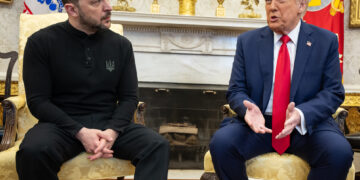


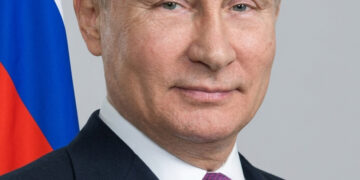




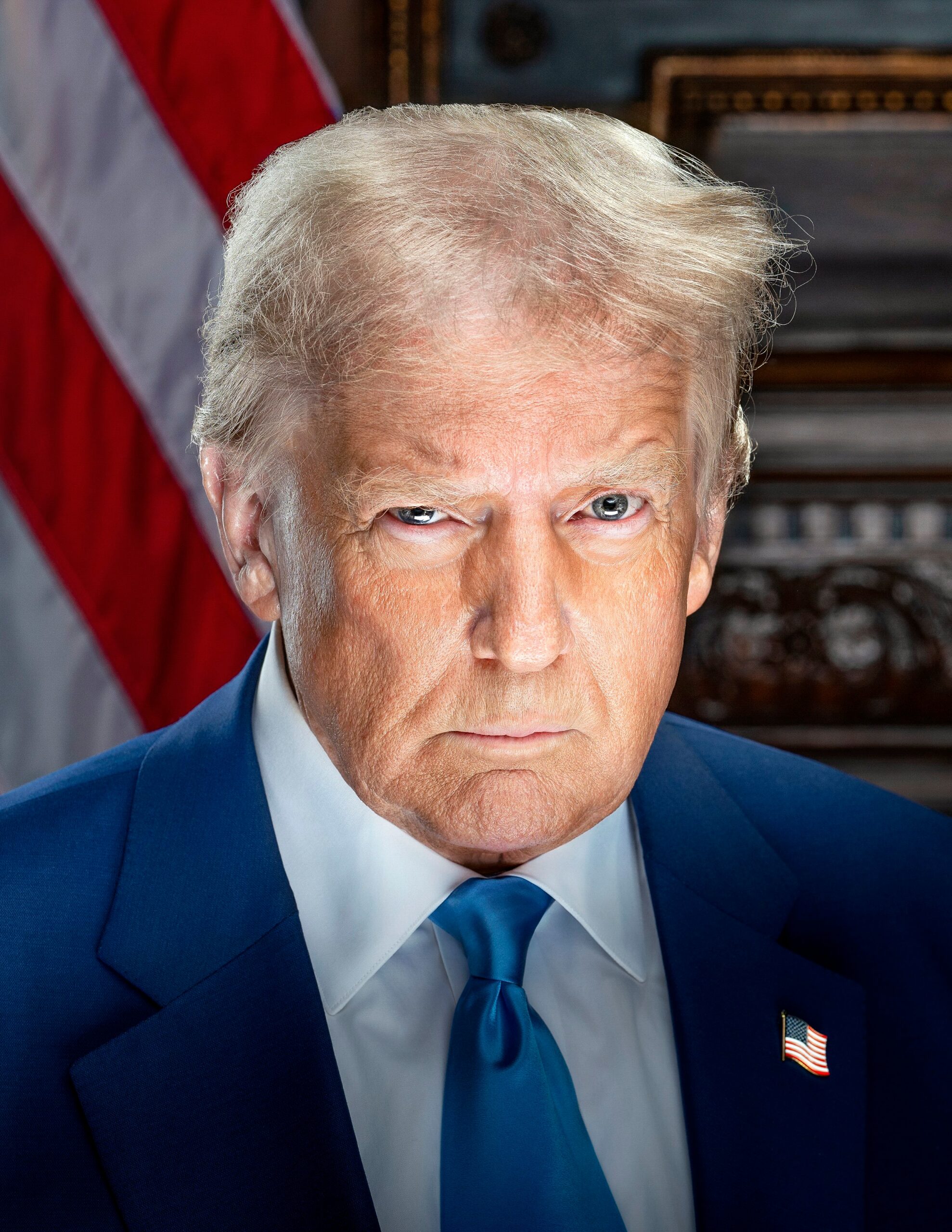
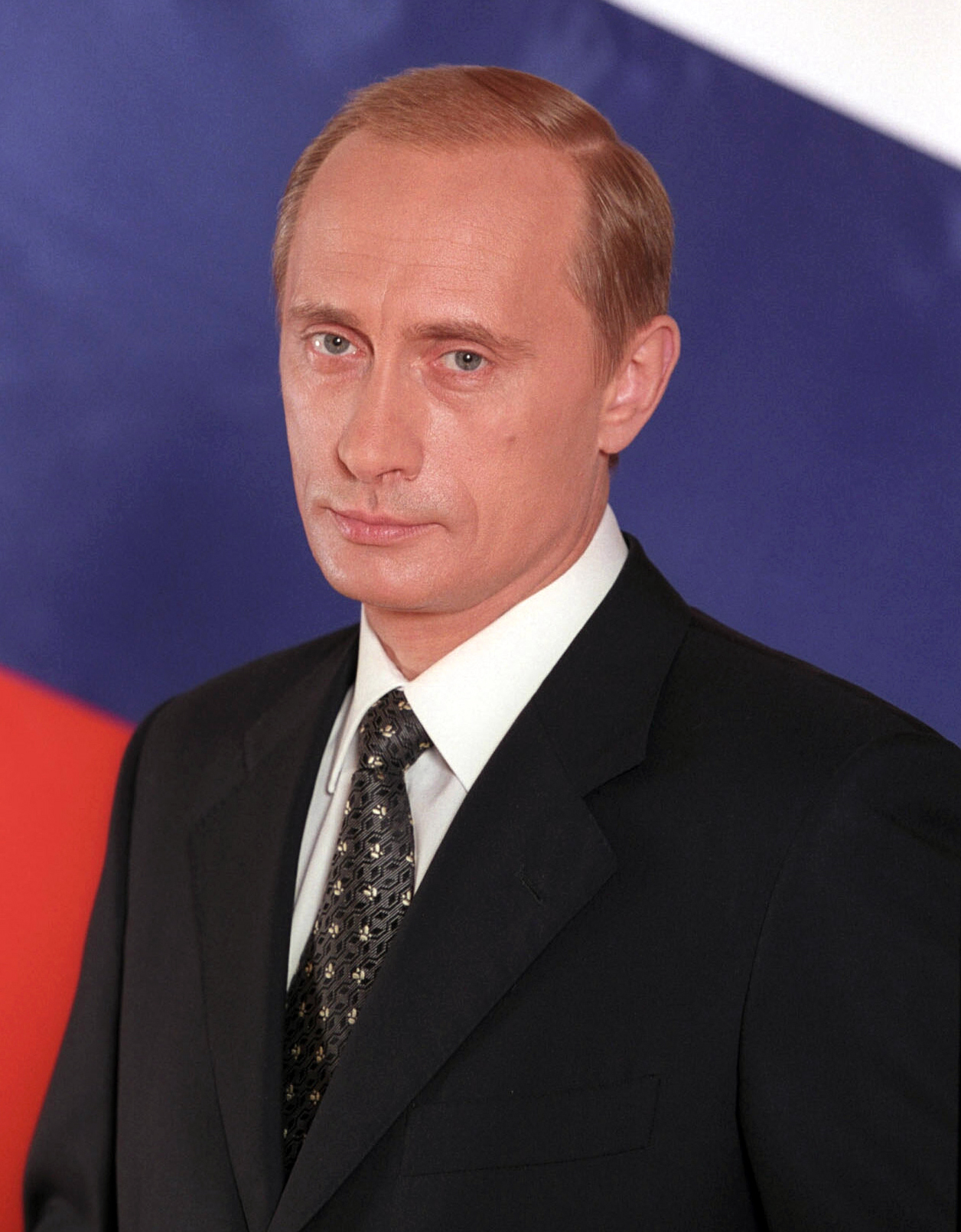
Finland’s Prime Minister Petteri Orpo has accused U.S. President Donald Trump of taking a position that increasingly benefits Russian President Vladimir Putin in the war against Ukraine. In an interview with POLITICO published on 15 October, Orpo argued that Washington’s recent moves lack a coherent alliance strategy and risk pushing European partners further apart from the United States.
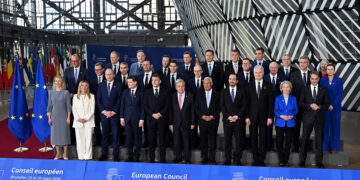
His warning came as European Union leaders gathered in Brussels for a two-day summit focused on Ukraine, defence and security, competitiveness and the bloc’s next long-term budget. Orpo’s intervention highlights the challenge facing European governments: defend Ukraine and their own security interests while trying to preserve American involvement in the transatlantic alliance.
ALSO READ: Kremlin Says Russian Diesel Exports Have Restarted Under Trump Deal
The Russian diesel deal at the centre of the dispute
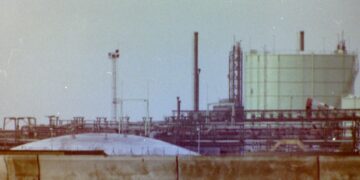
The immediate source of tension is an agreement announced by Trump on 9 October that would allow more than 300,000 metric tons of Russian diesel to reach U.S. and global markets. The administration presented the move as part of an effort to ease fuel-price pressure. Sanctions were to be temporarily relaxed for the deliveries, creating a new exception around Russian energy exports while Moscow’s war against Ukraine continues.
Orpo has described the agreement as a major disappointment because it breaks with years of coordinated Western pressure on Russia. The concern is not only symbolic: energy sales can provide revenue to the Russian state while its forces continue operations in Ukraine. ForensicTimes has also reported on U.S. senators questioning the legality and strategic impact of the Russian diesel agreement.
ALSO READ: US Senators Challenge Legality of Trump’s Russian Diesel Deal
Why the agreement matters beyond fuel prices
The volume of diesel involved has also prompted questions about how much the arrangement can realistically change prices for American drivers or global buyers. Orpo has questioned whether the quantities are large enough to deliver the economic benefits being claimed. If the price impact proves limited, critics will ask why the United States accepted the diplomatic cost of easing pressure on Russia.
The wider worry for Kyiv and European capitals is that the deal could signal a shift in U.S. priorities: pressuring Ukraine to limit its attacks on Russian energy infrastructure while allowing Moscow new avenues for fuel revenue. That perception is particularly damaging when European governments are being asked to sustain military, financial and political support for Ukraine through another winter of war.
ALSO READ: Ukraine’s Energy Truce Ends as Refinery Strikes Resume
Finland’s security calculus
For Finland, the dispute is more than a disagreement over one commercial transaction. The country shares a long border with Russia and joined NATO in 2023 after Russia’s full-scale invasion of Ukraine transformed the security environment in northern Europe. Helsinki has consistently argued that Russia’s war is a long-term threat and that European countries must shoulder more responsibility for their own defence.
Orpo’s position is not that Europe should abandon cooperation with Washington. Finland wants European governments to express their opposition clearly while keeping U.S. support for Ukraine in place. That balance is becoming harder to manage as public disagreements over sanctions, weapons, energy and the terms of a potential ceasefire add strain to the alliance.
ALSO READ: EU Capitals Weaken Year-End Budget Deal Deadline as France and Italy Push Back
Europe’s alliance dilemma
Orpo’s message that the United States should recognise Europe as its natural partner reflects a concern shared by several governments: a policy that appears to accommodate Moscow while criticising Kyiv risks weakening trust on both sides of the Atlantic. European leaders are trying to maintain a common position on Ukraine without turning disagreements with Washington into a permanent rupture.
The Brussels summit gives EU leaders an opportunity to restate their support for Ukraine and discuss what Europe can do if U.S. policy becomes less predictable. That includes defence readiness, financial support and closer coordination among European partners. But European leaders also recognise that U.S. intelligence, military capabilities and diplomatic influence remain important to Ukraine’s defence and to any eventual settlement.
ALSO READ: Kremlin Says Russian Diesel Exports Have Restarted Under Trump Deal
What to watch next
The next test will be whether the diesel arrangement remains a limited, temporary measure or becomes part of a broader change in U.S. policy toward Russia. European capitals will also be watching for any further pressure on Ukraine to halt attacks on Russian targets without clear reciprocal steps from Moscow. Those decisions will shape the credibility of future sanctions and ceasefire proposals.
For Finland, the immediate goal is to keep Ukraine supported and prevent the disagreement over Russia from becoming a lasting fracture among allies. Orpo’s criticism makes the stakes plain: a deal that provides Moscow with additional economic room while weakening confidence in Western coordination may carry a strategic cost far beyond the fuel market.
ALSO READ: The Evidence Is There: Forensic Science, Satellite Data and the Prosecution of War Crimes
ForensicTimes · forensictimes.com · Global Investigative Journalism on Crime, Justice, and Forensic Science · This report reflects verified open-source and wire reporting current as of publication. © 2026 ForensicTimes. All Rights Reserved.