The Pentagon is asking Congress for tens of billions more to keep fighting a war whose price tag has already jumped by nearly a third since May, even as a senator points out that $75 billion is sitting unspent just a few line items away.
Table of Contents
- Hegseth’s Number
- The Funding Request
- Shaheen’s Challenge: The $75 Billion Question
- Where the Unspent Money Is Supposed to Go
- What the Request Does Not Cover
- Bipartisan Frustration Over Strategy
- The Hormuz Question Nobody Answered
- How the Cost Estimate Has Moved
- Law and Legal Implications
- Does Congress Approve the Money Before September
Hegseth’s Number
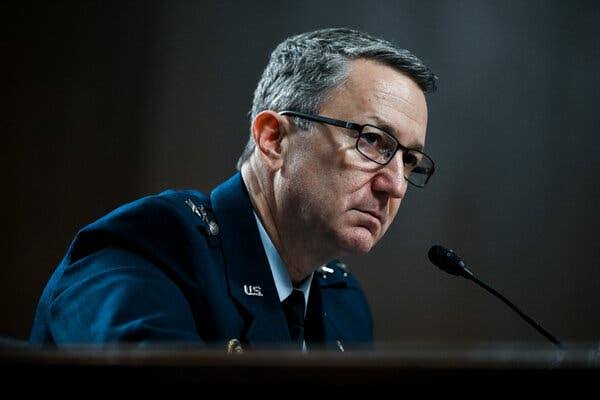
Defense Secretary Pete Hegseth told the Senate Appropriations Committee Tuesday that the Iran war has cost the United States an estimated $37.5 billion so far, up from a prior estimate of nearly $29 billion in mid-May. Hegseth said the current estimate reflects costs as of the date of his testimony, presenting the figure while defending a Pentagon request for roughly $67 billion in supplemental funding.
The Funding Request
Hegseth and General Dan Caine, chairman of the Joint Chiefs of Staff, told Congress the supplemental funding request is urgent and necessary to cover the Pentagon’s Iran war costs through the end of September. The framing positions the request as bridging a specific and relatively short remaining fiscal window rather than funding an open-ended commitment, though it leaves unaddressed what would be required if the conflict extends beyond that date.
Shaheen’s Challenge: The $75 Billion Question
Democratic Sen. Jeanne Shaheen challenged the funding request directly, noting that Hegseth still has $75 billion in unspent funding already available to the Pentagon. She asked why the administration was asking the American people to absorb the cost of a war they do not support instead of seeking transfer authority to redirect that unspent reconciliation funding toward the war effort.
Where the Unspent Money Is Supposed to Go
Hegseth responded that the unspent funds were otherwise allocated to other Trump administration priorities, specifically naming the Golden Dome for America missile defense initiative, hypersonics development, and other munitions investments. His answer effectively drew a line between funds earmarked for long-term weapons modernization programs and new money he argued was needed specifically for the active war, rather than conceding that existing funds could simply be redirected.
What the Request Does Not Cover
The $67 billion request does not include the cost of rebuilding US military bases in the Middle East, a category of expense that would presumably arise given the war’s extensive impact on American-linked facilities across the Gulf, including strikes on installations in Kuwait, Bahrain, and Jordan. That omission suggests the true eventual cost of the conflict to US taxpayers will exceed both the current $37.5 billion estimate and the pending $67 billion request once reconstruction costs are tallied separately.
Bipartisan Frustration Over Strategy
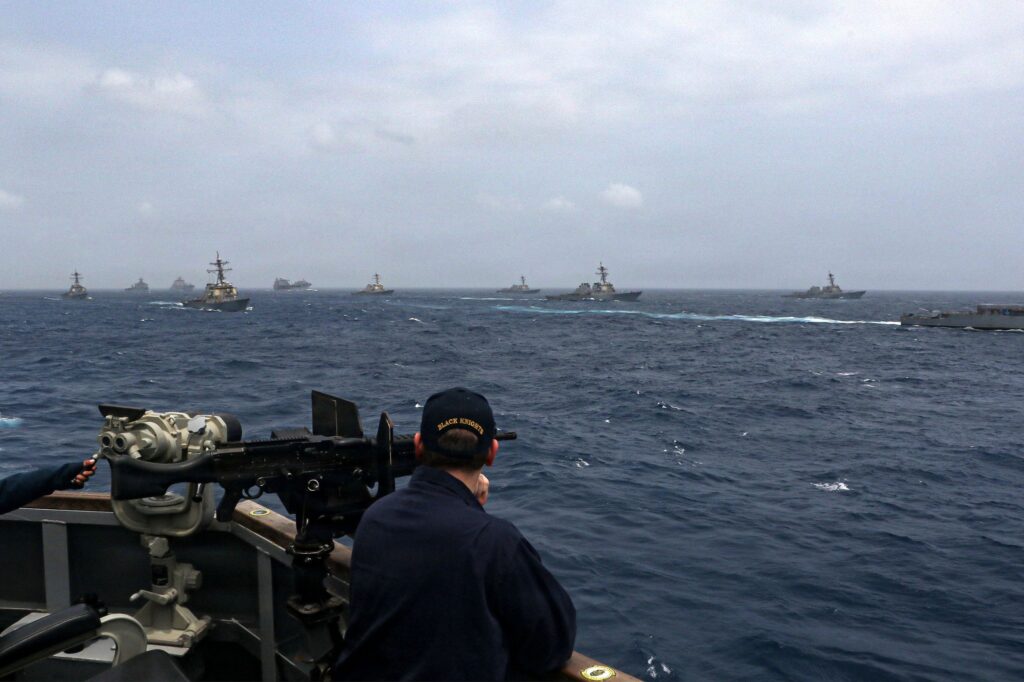
Lawmakers from both parties pressed the Pentagon for details on the Trump administration’s strategy for winning the war, with demands for transparency crossing party lines. Republican Sen. John Kennedy said the committee needed hard answers and straight talk, specifically asking Hegseth and Caine what would happen if the United States simply withdrew from the Strait of Hormuz altogether, a question that cuts to the heart of what continued US involvement is actually meant to secure.
The Hormuz Question Nobody Answered
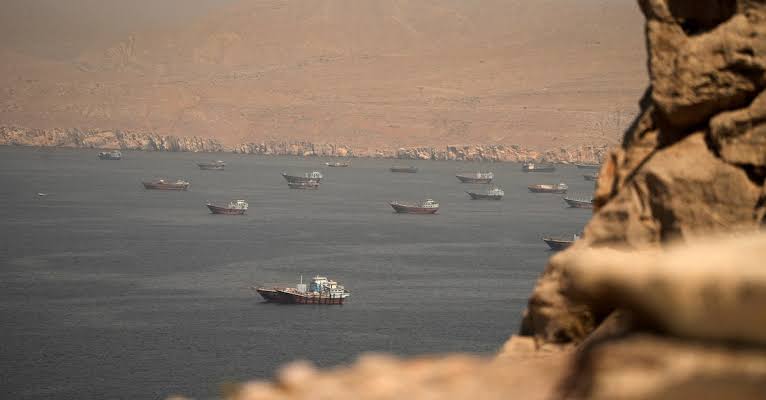
Hegseth and Caine did not offer specifics on whether Iran would impose fees on ships seeking passage through the Strait of Hormuz, leaving Kennedy’s underlying question, what the US gains strategically by remaining engaged versus withdrawing, without a direct answer in the public testimony.
How the Cost Estimate Has Moved
The jump from nearly $29 billion in mid-May to $37.5 billion by late July represents an increase of roughly 29% in a little over two months, a pace that, if sustained, would put the war’s cost on track to significantly exceed both the current estimate and the pending supplemental request well before any clear resolution to the conflict.
Law and Legal Implications
Supplemental defense appropriations of this kind require congressional approval under the US Constitution’s power of the purse, meaning the Pentagon cannot access the requested $67 billion without a vote, giving lawmakers like Shaheen and Kennedy direct leverage to demand strategic clarity as a condition of funding. The distinction Hegseth drew between funds allocated to programs like Golden Dome for America and funds needed for the active war is a budgetary rather than a legal one, since Congress could, if it chose, grant transfer authority allowing reallocation between accounts, a legislative option Shaheen raised but which the administration has so far declined to pursue.
Does Congress Approve the Money Before September
It remains unclear whether Congress will approve the full $67 billion supplemental request before the funding window Hegseth described closes at the end of September, or whether continued bipartisan pressure for strategic clarity will delay or condition the appropriation. Whether the administration will reconsider using transfer authority on the $75 billion in unspent reconciliation funds, as Shaheen proposed, has not been addressed. The eventual cost of rebuilding US military bases damaged during the conflict, explicitly excluded from the current request, remains an open and likely substantial addition to the war’s final price tag. Forensic Times continues to monitor Senate Appropriations Committee proceedings and Pentagon budget disclosures.
ForensicTimes · forensictimes.com · Global Investigative Journalism on Crime, Justice, and Forensic Science · This report reflects verified open-source and wire reporting current as of publication. © 2026 ForensicTimes. All Rights Reserved.