































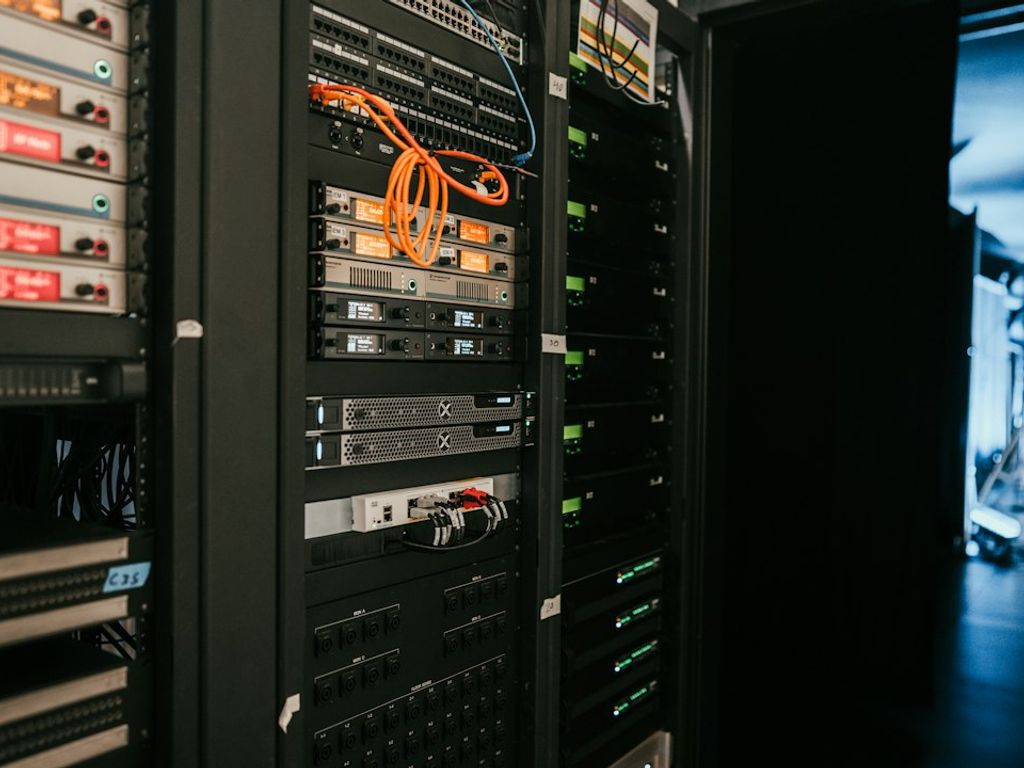
Ireland is trying to turn a backlash against data centres into a new investment model: companies that want to build more power-hungry facilities must do more to secure the electricity they consume. The policy seeks to protect a sector that supports the country’s digital economy while reducing the risk that expanding artificial intelligence infrastructure will crowd out other demands on the electricity system.
The stakes are high. Ireland is one of Europe’s most concentrated data-centre hubs, but expansion raises concerns about electricity supply, climate targets, land use and the allocation of scarce infrastructure. The government must show that new investment can grow without shifting unfair costs and risks onto households, other businesses or the climate.
Table of Contents
- Why Ireland became a warning sign
- The renewable-energy bargain
- Green energy parks and regional growth
- Where the plan could fail
- A test for Europe’s AI infrastructure
Why Ireland became a warning sign
Ireland’s Central Statistics Office reported that data centres consumed 7,663 gigawatt-hours of metered electricity in 2025, a 10% increase on the previous year. They accounted for 23% of all metered electricity use, compared with 5% in 2015. The rise has turned data-centre expansion from a planning issue into a core question of energy policy.
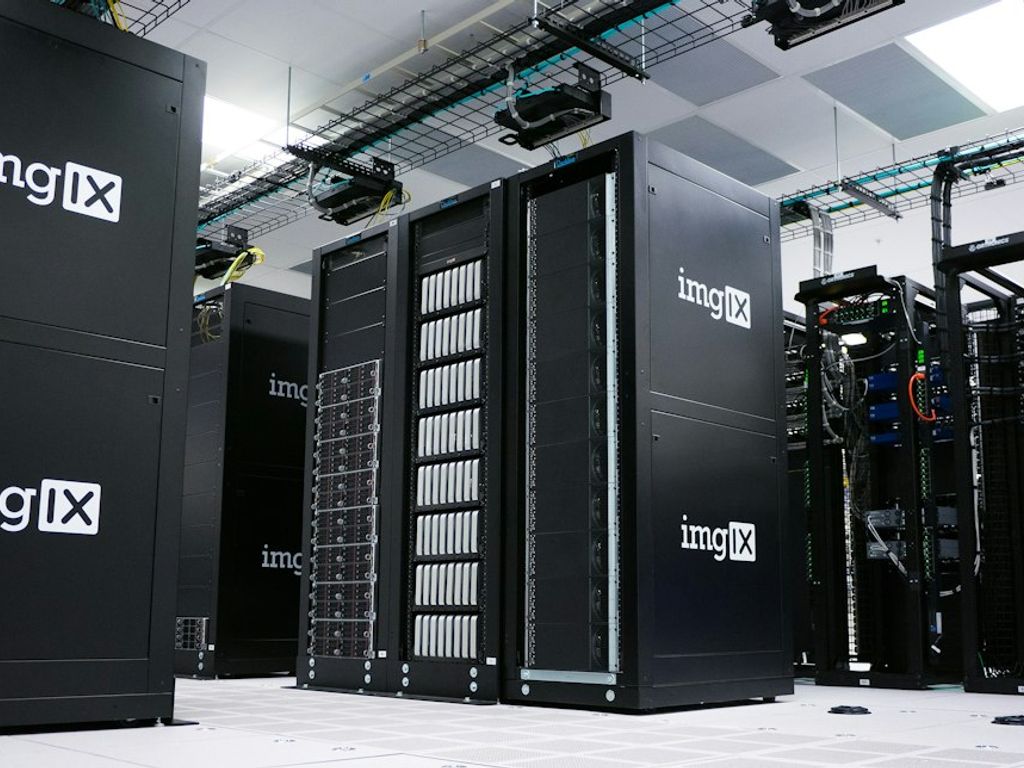
Data centres store information and run the computing workloads used by cloud services, online platforms and AI systems. They require continuous electricity, and cooling systems add to their demand. Unlike a factory that can sometimes reduce activity during a shortage, critical digital infrastructure is designed to operate around the clock. New capacity therefore creates a persistent demand on a grid that must also serve homes, hospitals, transport, existing industry and the electrification of heating and vehicles.
The dispute is not a choice between technology and the environment. Data centres form part of Ireland’s foreign-investment ecosystem, but estimates of wider jobs and tax benefits should not be mistaken for direct data-centre employment, which is more specialised once construction ends.
The renewable-energy bargain
In December 2025, Ireland’s Commission for Regulation of Utilities published a revised policy for connecting new data centres to the electricity grid. Among its conditions, developers must provide dispatchable on-site or local generation or storage equivalent to their maximum grid import capacity. They must also ensure that 80% of their annual electricity demand is matched by new, additional renewable-energy projects in Ireland within a six-year implementation period.
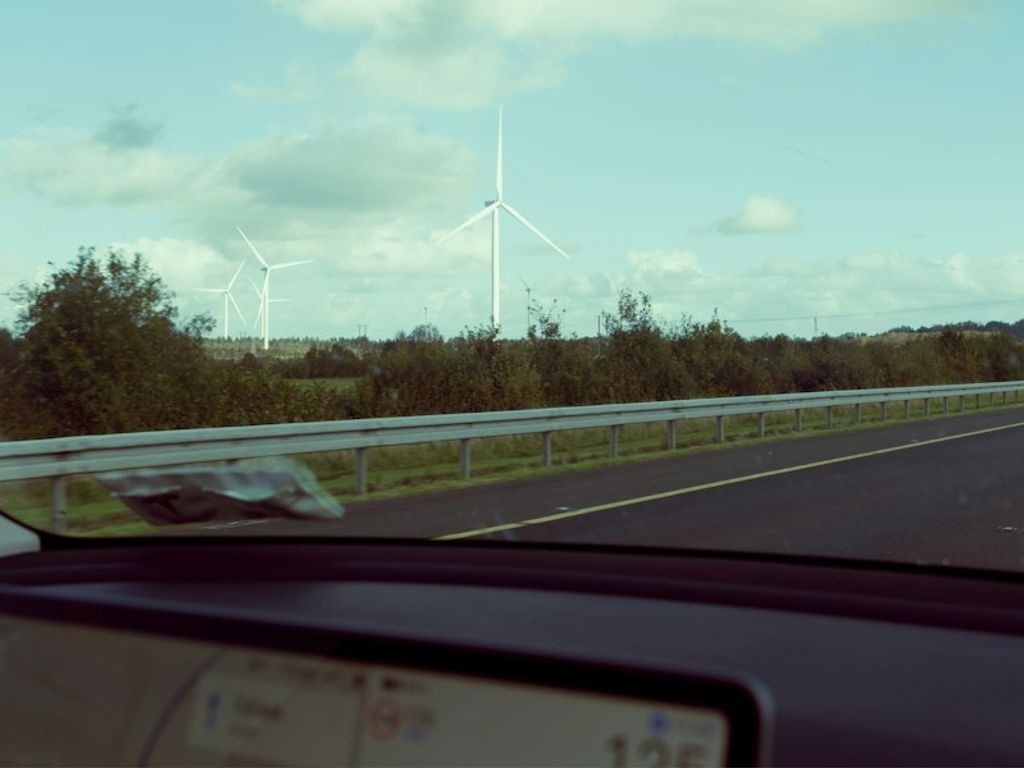
The policy makes major new electricity users take greater responsibility for supplying the power they need. Requiring additional renewable projects could increase clean generation, rather than simply reassigning claims to electricity already being produced, provided those projects are built and connected in time.
The six-year window is also a major pressure point. A data centre can begin drawing power before all the renewable projects associated with its demand are operational. During the transition, the grid still has to meet that load. The dispatchable-generation or storage requirement is meant to address reliability, but implementation will determine how much of the burden is actually met with lower-carbon electricity and how much remains dependent on the wider system.
Green energy parks and regional growth
Ireland’s Large Energy User Action Plan, approved in January 2026, broadens the strategy beyond individual grid connections. It sets out a plan-led approach to locating major energy-intensive investment, including data centres, alongside energy infrastructure and renewable supply. One concept is the development of green energy parks that could bring power generation, industrial demand and supporting infrastructure together in selected locations.
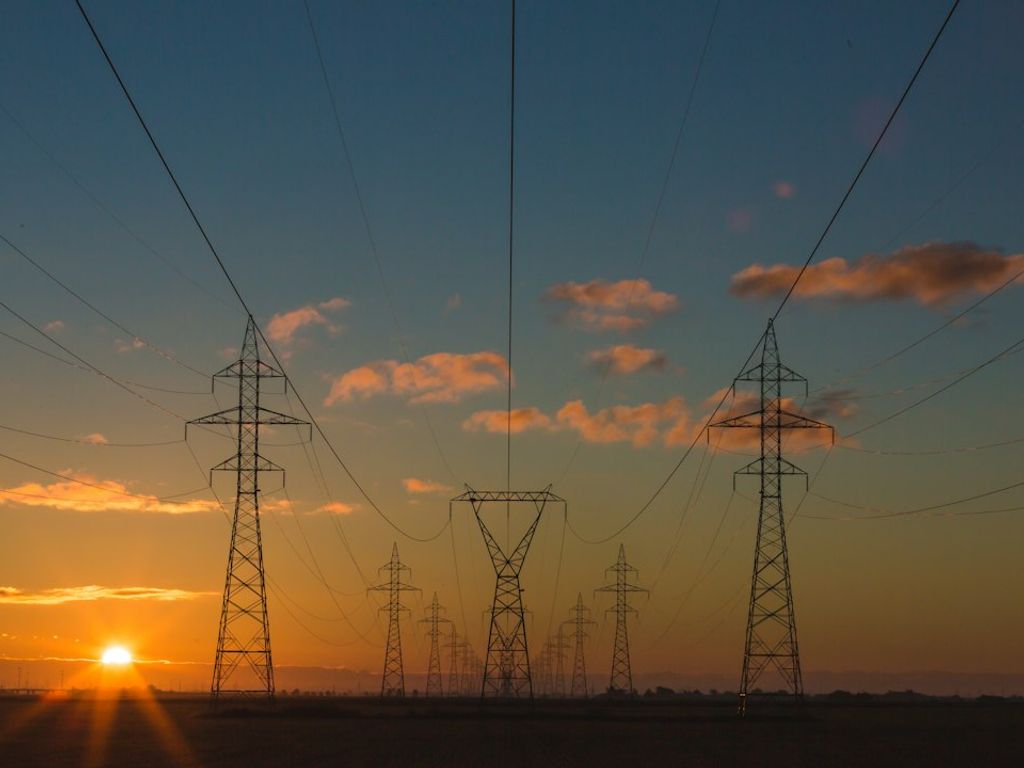
In principle, coordinated locations could reduce conflicts between new industry, the grid and local planning. They could help direct investment towards areas where renewable energy and network capacity can be developed together, while supporting regional employment and supply chains. But a designation on a plan does not create new transmission lines, storage, generation or planning consent. Those assets take time, funding and local engagement to deliver.
The government presents the strategy as a way to attract advanced manufacturing and digital investment while supporting the energy transition. Its credibility will depend on transparent site selection, fair cost allocation and published milestones, not an assumption that private investment will solve public infrastructure constraints.
Where the plan could fail
The core weakness is the distance between a renewable-energy commitment and dependable electricity at the moment it is needed. Annual matching can demonstrate that enough clean energy is generated over a year, but it does not prove that renewable supply will meet a facility’s demand in every hour. Wind output varies, and the electricity system needs sufficient flexible generation, storage, interconnection and demand management to cover periods of low production.
Environmental groups have argued for tighter controls and challenged aspects of the regulatory approach, warning that a transition period could prolong reliance on fossil-fuel generation. Their challenge is part of a wider question about whether a six-year runway creates enough time for new clean power to arrive before demand increases. The answer requires project-by-project reporting on connection dates, actual consumption, renewable projects delivered and the role of dispatchable power.
Local consent matters too. Communities need clear information on water use, noise, backup systems, permanent jobs and who pays for grid upgrades. Planning decisions should include enforceable conditions. National tax benefits alone cannot settle local concerns.
A test for Europe’s AI infrastructure
Ireland’s approach is being watched as other governments confront the same tension between AI infrastructure and constrained energy systems. European institutions are also working on data-centre efficiency standards. A durable response will need more than a promise to buy renewable power: it will require additional generation, reliable networks, efficient cooling, transparent reporting and planning systems that can explain who benefits and who bears the cost.
The measures should be judged against outcomes, not announcements. Useful indicators include whether new renewable capacity is delivered within the six-year period, how much dispatchable capacity and storage are actually available, how connection costs are shared and whether electricity-system reliability and emissions improve as demand grows. A clear annual public dashboard would help regulators, communities and investors test those claims against evidence.
Ireland may be able to turn opposition into conditional support if it can prove that data-centre expansion delivers new clean power and wider economic value without weakening energy security. Until that evidence is visible, the policy remains a regulatory experiment, not proof that the data-centre backlash has been defeated.
ForensicTimes · forensictimes.com · Investigative Journalism on Crime, Justice & Forensic Science · © 2026 ForensicTimes. All rights reserved.