Three weeks after Netanyahu told his own cabinet that Israel simply does not accept the disarmament roadmap, Turkiye’s foreign minister is working the phones with Cairo and Riyadh, and the UN’s own Gaza envoy is now openly siding with the Palestinians on the same document Israel walked away from.
FORENSIC TIMES INVESTIGATIVE DESK | ISTANBUL, TÜRKİYE | FILED UNDER: DIPLOMACY & CONFLICT
Table of Contents
- The Calls
- What Fidan Actually Said
- Part of a Pattern: Fidan’s Egypt Trip
- The Backdrop: A Pact Already Signed
- Why the Gaza Plan Is the Real Subject
- Netanyahu’s Rejection, in His Own Words
- The Board of Peace’s Own Envoy Turns Critical
- Forensic Analysis and Intelligence
- Law and Legal Implications
- Can Regional Diplomacy Revive a Plan Israel Already Rejected
The Calls
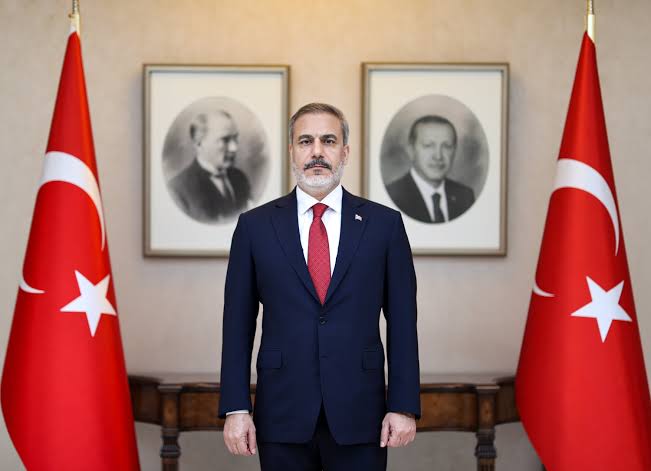
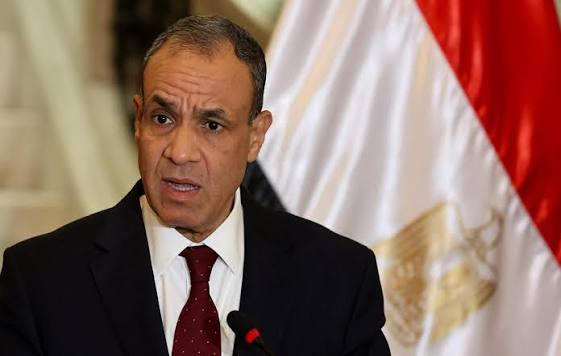
Turkish Foreign Minister Hakan Fidan spoke separately by phone Thursday, August 26, 2026, with his Egyptian and Saudi counterparts, Badr Abdelatty and Faisal bin Farhan, as part of what Turkish officials described as stepped-up regional diplomatic contacts amid evolving developments across the Middle East.
What Fidan Actually Said
Fidan wrote on Turkish social media platform NSosyal that the calls evaluated the problems that have emerged in implementing the Gaza peace plan and the steps that can be taken in response, describing both ministers as part of his ongoing diplomatic contacts on regional developments. He said the ministers also discussed the latest developments in Syria and reiterated strong support for efforts to establish peace and stability in Palestine, adding that the talks additionally covered the situation in the Strait of Hormuz and the current status of negotiations between the countries involved in that dispute. As three brotherly countries that want peace and prosperity in our region, Fidan said, we will continue to strengthen our cooperation and coordination in all areas.
Part of a Pattern: Fidan’s Egypt Trip
Thursday’s calls came less than two weeks after Fidan traveled to Egypt on August 13-14 for talks with Abdelatty and other senior officials aimed at deepening bilateral and regional cooperation, indicating this week’s outreach extends an already active diplomatic track rather than opening a new one.
The Backdrop: A Pact Already Signed
The diplomatic outreach also follows the August 7 signing of the Mecca Joint Defence Agreement by Türkiye, Saudi Arabia, and Pakistan, the collective defense pact under which an armed attack on any one of the three countries would be considered an attack on all. Thursday’s calls place Türkiye’s continued coordination with two of that pact’s key regional partners, Egypt and Saudi Arabia, inside the broader context of the trilateral defense relationship established weeks earlier.
Why the Gaza Plan Is the Real Subject
Fidan’s reference to problems that have emerged in implementing the Gaza peace plan points to a specific and significant breakdown: the Board of Peace’s 15-point roadmap for Hamas disarmament and Israeli withdrawal, which Hamas had accepted in July, only for Israel to formally reject it on August 5. Prime Minister Netanyahu told his cabinet at the time, Israel does not accept the 15-point document, and the IDF will not carry out any withdrawal until Hamas is genuinely disarmed, and it will continue to thwart threats against our forces and citizens.
Netanyahu’s Rejection, in His Own Words
Netanyahu’s August 9 cabinet statement went further than a procedural objection, according to the Times of Israel, with Netanyahu saying Israel rejects the roadmap outright and specifying that the Israeli army will not withdraw from Gaza until Hamas undergoes what he called genuine disarmament, not a fictitious one. US Special Envoy Jared Kushner echoed a comparably hard line on August 17 after meeting Hamas and Israeli leaders, saying we will not allow Gaza to be rebuilt until demilitarization occurs.
The Board of Peace’s Own Envoy Turns Critical
Nickolay Mladenov, the Board of Peace’s High Representative for Gaza, briefed the UN Security Council on Wednesday, August 26, the same day as Fidan’s calls, touting Hamas’s earlier acceptance of the disarmament plan while acknowledging that progress has since stalled amid Israel’s rejection. Mladenov specifically criticized Israeli restrictions on shelter supplies for Palestinians living in what he described as squalid conditions in Gaza, and said Israel’s policy of continued strikes has not, and will not, lead to Hamas’s disarmament. He told the Council that Israel is not being asked to accept the disarmament roadmap outright, but rather to reaffirm commitments it had already made, a notably pointed framing from an official whose own institution is nominally meant to broker between both sides. Mladenov also criticized Hamas for failing to fulfill its own commitments under the plan, which required both parties to halt all military activity.
Forensic Analysis and Intelligence
The Board of Peace’s own credibility as an impartial mediator has come under strain independent of the underlying dispute: according to the International Crisis Group, after meeting Netanyahu on August 3, the Board issued a social media post contradicting terms it had laid out days earlier, describing prior reports as inaccurate while echoing Israel’s longstanding positions instead, a reversal that left Palestinian factions and other mediators, who had accepted the roadmap based on its original provisions, unable to reconcile the shifting official position. That inconsistency is itself a relevant data point for assessing the roadmap’s practical viability: a mediating body that alters its own public description of an agreement’s terms under pressure from one party undermines the verification and reciprocity structure the plan was designed around in the first place.
Analysts cited by The Hill noted that disarmament, demobilization, and reintegration processes of this kind rarely succeed and typically take up to a decade to fully implement when they do, framing the current three-week-old deadlock as consistent with, rather than an exception to, the historical pattern for this category of post-conflict arrangement.
Law and Legal Implications
Trump’s underlying 20-point peace plan for Gaza, agreed in November 2025, was endorsed by the UN Security Council through 2027, giving the broader framework a formal international legal backing that the specific 15-point disarmament roadmap, as a subsequent implementing document, does not independently carry in the same way, a distinction that matters given Israel’s rejection targets the roadmap specifically rather than the underlying Security Council-endorsed plan itself. The reported gap between the Board of Peace’s public statements and its private commitments, as described by the International Crisis Group, raises accountability questions about which version of the agreement’s terms Hamas and other Palestinian factions can actually hold any party to, since a mediating body without a fixed, published position complicates any future claim of breach against either side.
Can Regional Diplomacy Revive a Plan Israel Already Rejected
It remains unclear whether Türkiye’s continued coordination with Egypt and Saudi Arabia, alongside Mladenov’s increasingly pointed criticism of Israeli policy, will produce any actual shift in Israel’s position before its October 27 elections, given Netanyahu’s explicit and repeated rejection of the roadmap’s core sequencing. Whether Hamas will be found to have met its own halt-all-military-activity commitment, which Mladenov said it has not yet fulfilled, remains independently unverified in current reporting. The extent to which the Strait of Hormuz negotiations Fidan also discussed are progressing in parallel to, or are being slowed by, the broader regional tensions tied to the Gaza deadlock has not been detailed. Forensic Times continues to monitor Turkish diplomatic contacts, Board of Peace Security Council briefings, and Israeli cabinet statements on the disarmament roadmap.
ForensicTimes · forensictimes.com · Global Investigative Journalism on Crime, Justice, and Forensic Science · This report reflects verified open-source and wire reporting current as of publication. © 2026 ForensicTimes. All Rights Reserved.