His own security cabinet already voted yes to the framework, but Netanyahu is telling supporters the actual document Washington sent isn’t the one Israel agreed to, even as an Israeli policy chief says he has no real cards left to play.
Table of Contents
- Netanyahu’s Video Statement
- What the Board of Peace Actually Promised
- The Contradiction: A Cabinet That Already Voted Yes
- The Far-Right Revolt
- The Postponed Meeting and the Likud Primary
- Molad’s Read: Campaign Move, Not Policy
- “Israel Is Not Putting Anything on the Table”
- The Quiet Policy Shift Already Underway
- Law and Legal Implications
- Does Thursday’s Vote Actually Resolve Anything
Netanyahu’s Video Statement
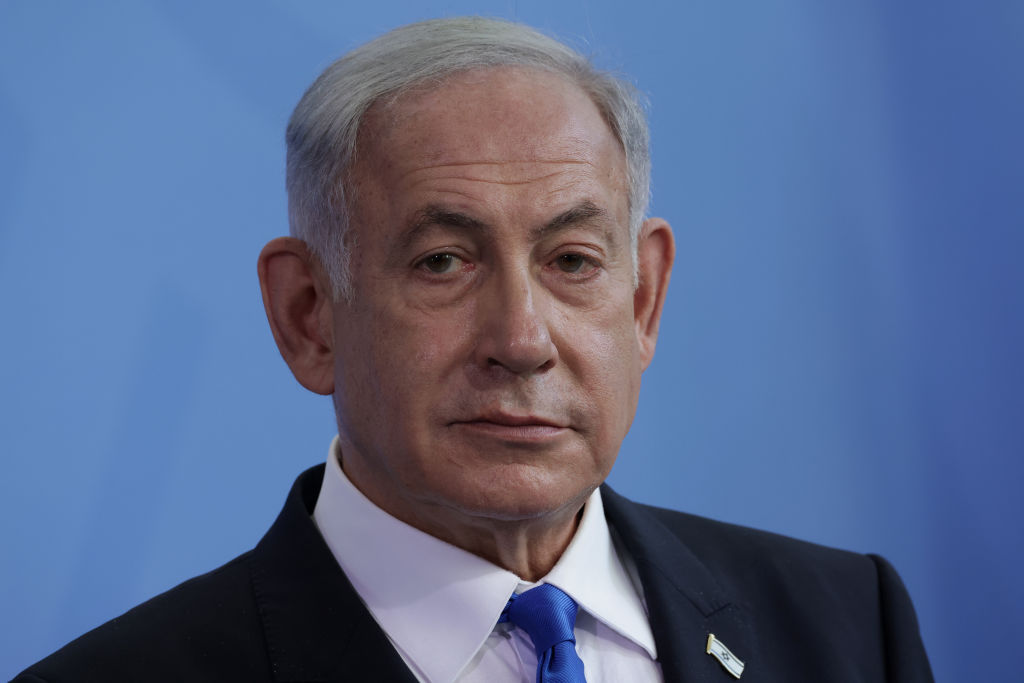
Israeli Prime Minister Benjamin Netanyahu denied Tuesday, August 4, 2026, that his country had agreed to the US-backed Gaza plan, despite assurances Israel would pull out of the Palestinian enclave after Hamas disarmament. In a video posted to his social media accounts Tuesday night, Netanyahu said President Trump’s team believes it can bring about the disarmament of Hamas and the demilitarization of Gaza, adding that Israel is checking this. He said Washington had sent a draft, that Israel did not agree to it, that it is not Israel’s draft, and that Israel had sent its own comments in response.
What the Board of Peace Actually Promised
Netanyahu met with the US-backed Board of Peace Monday and received guarantees that the Israeli army would only be required to leave its current positions in Gaza after Hamas disarms, a sequencing that mirrors the conditional structure described in the disarmament agreement itself, under which Hamas’s compliance was similarly tied to Israeli withdrawal and reconstruction progress.
The Contradiction: A Cabinet That Already Voted Yes
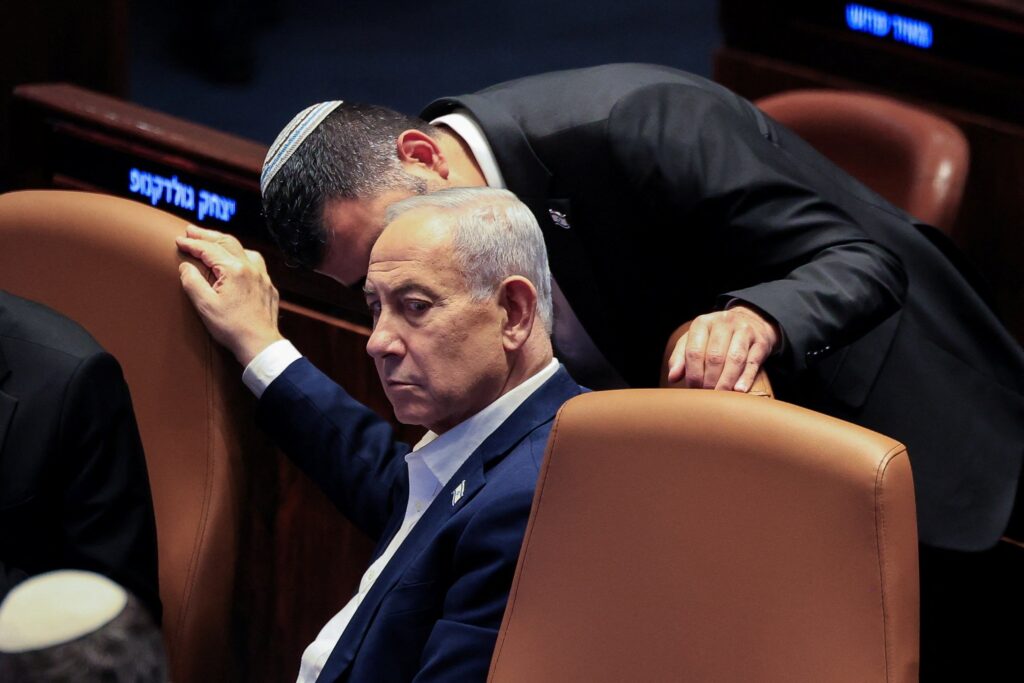
Netanyahu’s denial sits in direct tension with his own government’s prior action: Israel’s security cabinet, which includes the two ministers now demanding a new vote, had already voted in favor of the proposal, which would see, among other things, the deployment of international peacekeeping troops in the Gaza Strip. That prior vote makes Netanyahu’s public framing, that Israel has not agreed to the plan, difficult to reconcile with his own cabinet’s recorded position on the same document.
The Far-Right Revolt
Pressure has been growing on Netanyahu from the right flank of his ruling coalition to reject the deal. Finance Minister Bezalel Smotrich and Settlement Minister Orit Strook requested a new vote on the plan Tuesday, arguing it does not reflect what had originally been discussed, despite having been among the cabinet members who voted in favor of it.
The Postponed Meeting and the Likud Primary
Netanyahu had moved to convene his Security Cabinet Tuesday, but the meeting was postponed to Thursday, according to Israeli media, amid primary voting in his own Likud Party ahead of the October 27, 2026 elections, in which he faces a tight race, a scheduling overlap that places the disarmament plan’s next formal review squarely inside Netanyahu’s own internal political contest.
Molad’s Read: Campaign Move, Not Policy
Tal Elovits, a researcher at Israeli think tank Molad, characterized Smotrich and Strook’s request for a new vote as merely a campaign move intended to pressure Netanyahu rather than a genuine policy objection. Elovits said Israel’s right wing has always tried to postpone a scenario in which the conflict becomes internationalized, noting that the IDF’s behavior would necessarily be different once soldiers from Kosovo, Indonesia, and other countries are deployed as peacekeepers on the ground.
“Israel Is Not Putting Anything on the Table”
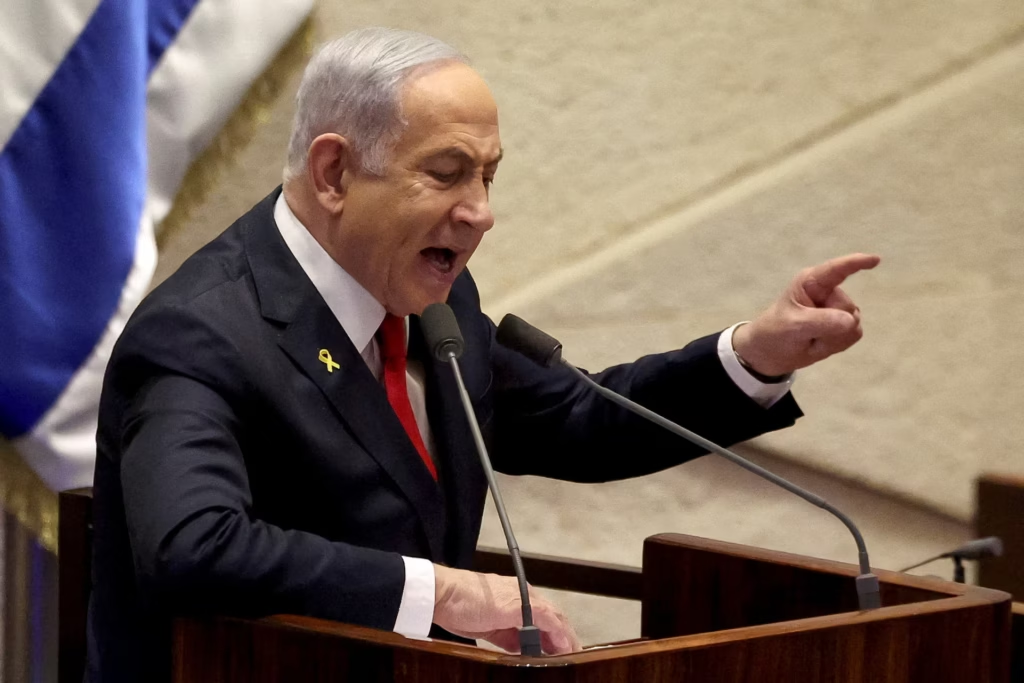
Elovits argued Israel has no concrete possibility of tearing up the US-sponsored plan, given the country’s diplomatic isolation internationally, saying Netanyahu has no other option besides listening to his only remaining friend in the diplomatic community, a reference to Trump. Netanyahu is not a very active player here, Elovits said, characterizing his role as limited mainly to blocking specific ideas rather than shaping the plan’s substance, since Israel is not putting anything of its own on the table.
The Quiet Policy Shift Already Underway
Despite Netanyahu’s public denial, US pressure on Israel to curb attacks in Gaza ahead of a partial withdrawal under the plan appears to be yielding practical results. According to reports in Haaretz and other Israeli media, troops have been instructed to seek authorization from the chief of staff for strikes unless they are in immediate danger, a change from previous directives under which attacks required only approval from the head of the regional command. Israel’s military, when questioned, referred AFP to the political echelon for comment, and a spokesperson for Netanyahu declined to comment.
Law and Legal Implications
The gap between Netanyahu’s public denial and his security cabinet’s recorded prior vote in favor of the proposal raises a question of internal Israeli governmental authority rather than international law: under Israeli cabinet procedure, a formal security cabinet vote typically carries binding weight for the government’s official position, meaning Netanyahu’s subsequent public characterization functions more as political messaging to his coalition’s right flank than as a formal reversal of that vote, absent an actual new cabinet decision, which is precisely what Thursday’s rescheduled meeting would need to produce to have legal effect.
The reported tightening of IDF strike authorization procedures, now requiring chief-of-staff approval rather than regional command sign-off, represents a concrete operational change with potential accountability implications, since a more centralized approval chain would create a clearer record of who authorized any individual strike carried out during this period, a relevant consideration for any future examination of ceasefire compliance.
Does Thursday’s Vote Actually Resolve Anything
It remains unclear whether Thursday’s rescheduled Security Cabinet meeting will produce a formal reversal of the plan, a reaffirmation of the prior vote, or another postponement, particularly given the meeting’s proximity to Netanyahu’s own Likud primary contest. Whether Smotrich and Strook’s demand for a new vote reflects genuine policy disagreement or the campaign-oriented pressure tactic Elovits described has not been independently confirmed beyond his own assessment. The extent to which Israel’s diplomatic isolation, as Elovits characterized it, genuinely limits Netanyahu’s negotiating leverage with Washington, as opposed to being one analyst’s interpretation, remains a matter of perspective rather than settled fact. Forensic Times continues to monitor Thursday’s Security Cabinet proceedings and any formal Israeli government response to the Board of Peace’s draft.
ForensicTimes · forensictimes.com · Global Investigative Journalism on Crime, Justice, and Forensic Science · This report reflects verified open-source and wire reporting current as of publication. © 2026 ForensicTimes. All Rights Reserved.