Iran’s foreign minister invoked the 2019 Aramco attack by name in a round of private calls to Saudi Arabia, Turkiye, Qatar, and Pakistan, and the message landed: Riyadh is now lobbying Trump for delay while quietly warning it would strike back if hit itself.
Table of Contents
- The Warning, Sourced Five Ways
- What Triggered It
- Araghchi’s Call List
- The Aramco Reference
- What Iran Says It Would Actually Hit
- Riyadh’s Two-Track Response
- Iran’s Read on Trump’s Dilemma
- Forensic Analysis and Intelligence
- Law and Legal Implications
- Does the Threat Actually Hold Trump Back
The Warning, Sourced Five Ways
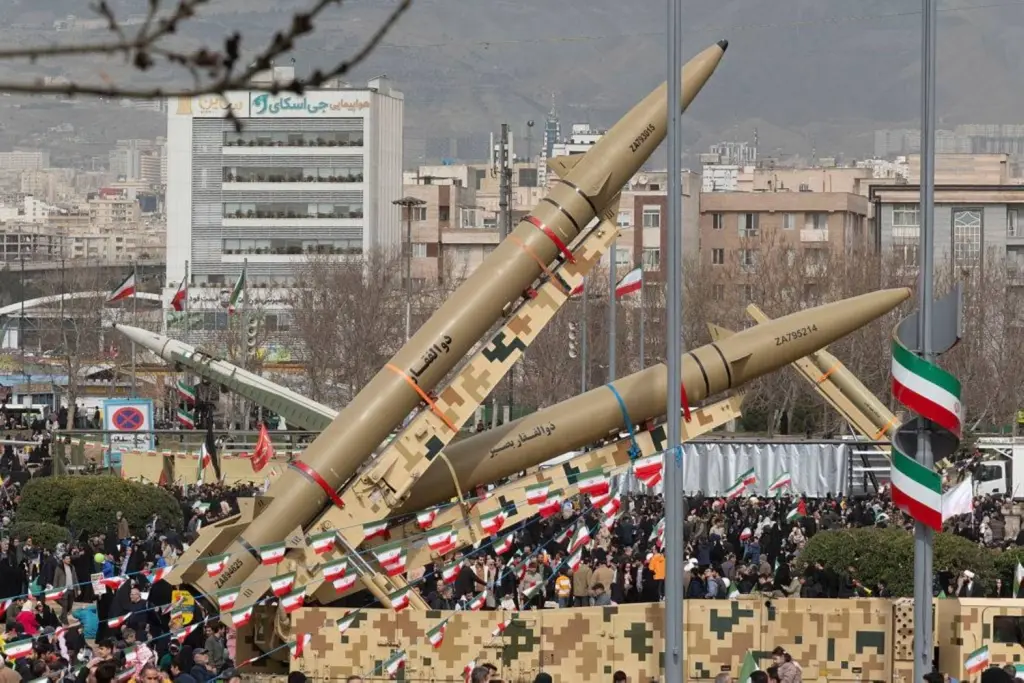
Iran warned Gulf states it would target critical energy infrastructure across the region if the US launches another attack on its territory, according to five sources familiar with the matter cited by Reuters: two senior Iranian officials, two Gulf sources, and a senior regional diplomat, all speaking on condition of anonymity given the sensitivity of the matter.
What Triggered It
The warning was delivered through a flurry of high-level diplomatic contacts after President Trump threatened on July 28 to strike Iran’s energy network and infrastructure directly, the sources said, connecting this round of Iranian diplomacy to a specific American threat rather than a general precaution.
Araghchi’s Call List
Iranian Foreign Minister Abbas Araghchi personally called his Saudi, Turkish, and Qatari counterparts, as well as Pakistan’s military chief, according to the sources. His message was reportedly consistent across every conversation, per the senior regional diplomat: Iran is ready to retaliate, but finding a diplomatic solution is the best way to avoid wider escalation and destruction across the region. One Gulf source described the warning as unequivocal, saying Iran made clear that if America targeted its infrastructure, Tehran would retaliate by striking Gulf energy facilities and other regional targets.
The Aramco Reference
A senior Iranian official invoked a specific historical precedent directly, telling Reuters that Gulf states still remember Saudi Arabia’s Aramco, a reference to the September 2019 drone and missile attacks on the Abqaiq and Khurais facilities that temporarily knocked out more than half the kingdom’s crude oil production and exposed the vulnerability of Gulf energy infrastructure to precisely this kind of strike. The official said if Iran suffers damage, it will inflict far greater damage in return.
What Iran Says It Would Actually Hit
According to one Iranian official, Tehran’s warning specified that any new US strike would be met with attacks on energy facilities, refineries, electricity grids, water infrastructure, transport networks, and oil fields across the Gulf, a target list explicitly designed to threaten the economic backbone of Gulf states rather than military assets alone.
Riyadh’s Two-Track Response
Saudi Crown Prince Mohammed bin Salman subsequently spoke with Trump directly, urging him to delay military action, return to negotiations, secure a ceasefire, and pursue a diplomatic settlement, according to the senior diplomat and Gulf sources. But Riyadh paired that diplomatic push with a clear deterrent of its own: a second Gulf source said Saudi Arabia separately warned that any attack on its own territory would be met with a military response. Saudi analyst Ali Shihabi, described as close to the Royal Court, said the kingdom assesses that further escalation is unlikely to achieve the desired result, and that a combination of proportionate military responses and sustained pressure on Iran in the Strait of Hormuz offers the strongest path toward a practical diplomatic settlement.
Iran’s Read on Trump’s Dilemma
From Tehran’s perspective, the senior Iranian official said, Trump now faces two unpalatable choices: escalate a conflict that could engulf the Gulf and disrupt global energy supplies, or accept a negotiated outcome that falls short of the decisive victory Washington seeks. The senior regional diplomat identified what they described as the principal obstacle to any agreement: Washington’s reluctance to allow Tehran to emerge from the conflict claiming victory, since the US wants something it can present as proof it won the war.
Forensic Analysis and Intelligence
The consistency of Iran’s message across four separate diplomatic channels, Saudi Arabia, Turkiye, Qatar, and Pakistan’s military leadership, as independently described by five different anonymous sources to Reuters, is a meaningful corroboration signal: multiple sources with different vantage points converging on the same specific wording, ready to retaliate but preferring diplomacy, suggests a centrally coordinated messaging campaign rather than inconsistent or exaggerated individual accounts. The specific Aramco reference by name, rather than a vague threat, functions as a deliberate historical anchor meant to make the threat concrete and credible to Gulf audiences who lived through that 2019 disruption directly.
Saudi Arabia’s dual-track response, lobbying for delay while simultaneously signaling its own retaliatory capacity, indicates Riyadh is treating Iran’s threat as credible enough to warrant deterrent signaling of its own, rather than dismissing it as posturing, a useful data point for assessing how seriously regional intelligence services are weighing the threat’s operational plausibility.
Law and Legal Implications
Iran’s stated intent to strike energy, water, and transport infrastructure across Gulf states not directly party to a renewed US-Iran conflict would raise the same international humanitarian law concerns regarding attacks on non-belligerent territory and civilian-essential infrastructure previously flagged throughout this war, with the explicit targeting of water infrastructure specifically implicating the law of armed conflict’s protections for objects indispensable to civilian survival. Saudi Arabia’s stated readiness to respond militarily to any attack on its own territory represents a standard invocation of the right to self-defense under international law, though its practical effect here is also functioning as a deterrent signal aimed at both Iran and, indirectly, at reinforcing its diplomatic message to Washington that further escalation carries real regional costs.
Does the Threat Actually Hold Trump Back
It remains unclear whether Iran’s coordinated warning campaign will succeed in restraining Trump’s threatened strikes on Iranian energy infrastructure, though Trump’s own August 2 statement that he agreed to cancel a planned attack subject to being able to rapidly make a deal suggests the diplomatic pressure from Gulf states may have had some effect. Whether Saudi Arabia’s Shihabi-described strategy of proportionate responses paired with sustained Hormuz pressure will actually produce the practical diplomatic settlement he described has not been tested. The core obstacle the senior regional diplomat identified, Washington’s need for a presentable victory narrative, remains unresolved and may prove the harder constraint to negotiate around than any of the immediate military threats. Forensic Times continues to monitor Araghchi’s diplomatic contacts, Trump’s public statements on renewed strikes, and Gulf states’ security posture.
ForensicTimes · forensictimes.com · Global Investigative Journalism on Crime, Justice, and Forensic Science · This report reflects verified open-source and wire reporting current as of publication. © 2026 ForensicTimes. All Rights Reserved.