Nine names, a combined federal reward pool past 20 million dollars, and cases ranging from a four billion dollar crypto con to a double homicide that has waited more than a decade for an arrest.
The FBI’s Ten Most Wanted Fugitives list turned 76 this year, and it remains one of the only law enforcement tools built entirely on public memory rather than surveillance. A poster, a face, a reward, and the hope that someone, somewhere, recognizes a name. Below are nine of the fugitives currently occupying it, drawn directly from the Bureau’s own listing, not a ranking by danger or severity but a record of who the government is still actively asking the public to help find.
Ruja Ignatova — “The Cryptoqueen”

Charges: Conspiracy to commit wire fraud, wire fraud, conspiracy to commit money laundering, conspiracy to commit securities fraud, securities fraud. Reward: up to $5 million.
Ignatova founded OneCoin in 2014, marketed it as the coin that would kill Bitcoin, and used it to defraud investors across dozens of countries out of more than four billion dollars before vanishing from a flight in October 2017. She has not been seen since, and prosecutors have called OneCoin one of the largest fraud operations ever prosecuted.
Yulan Adonay Archaga Carias
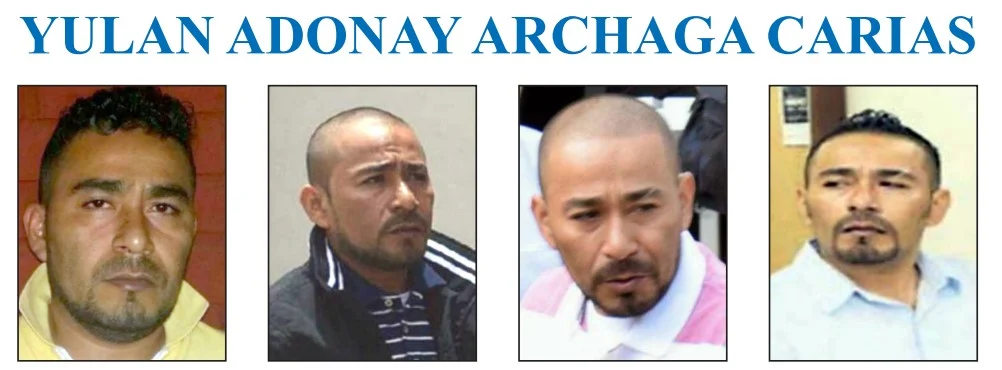
Charges: Racketeering conspiracy under RICO, cocaine importation conspiracy, possession and conspiracy to possess machine guns. Reward: up to $5 million.
Archaga Carias is accused of leading MS-13’s operations in Honduras, directing a network the Justice Department has tied to weapons trafficking and cocaine importation into the United States at an industrial scale.
Giovanni Vicente Mosquera Serrano
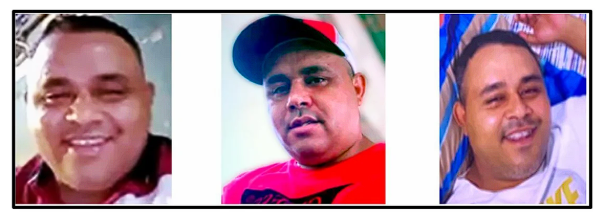
Charges: International cocaine distribution conspiracy, providing material support to a foreign terrorist organization. Reward: up to $5 million.
Mosquera Serrano is an alleged leader within Tren de Aragua, the Venezuelan gang the US government designated a foreign terrorist organization, and faces charges connecting narcotics trafficking directly to that designation.
Anibal Alexander Canelon Aguirre
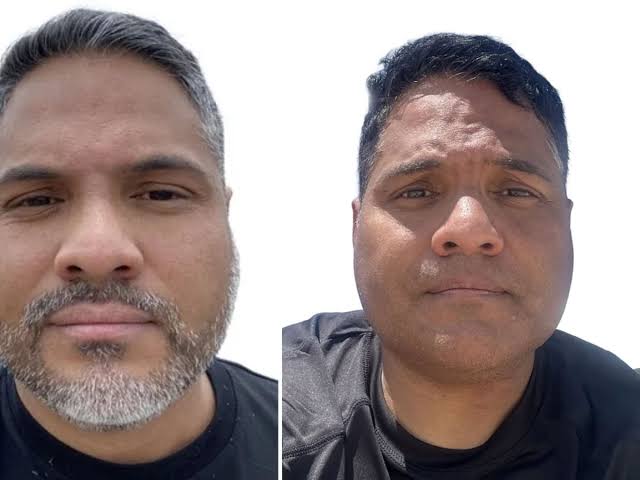
Charges: Conspiracy to commit bank fraud, conspiracy to commit bank burglary and intentionally damage a protected computer system, conspiracy to commit money laundering, conspiracy to provide material support to terrorists.
Aguirre is accused of directing crews deployed into the United States specifically to steal from financial institutions, a case investigators describe as blending old-fashioned burglary with modern computer intrusion.
Trung Duc Lu
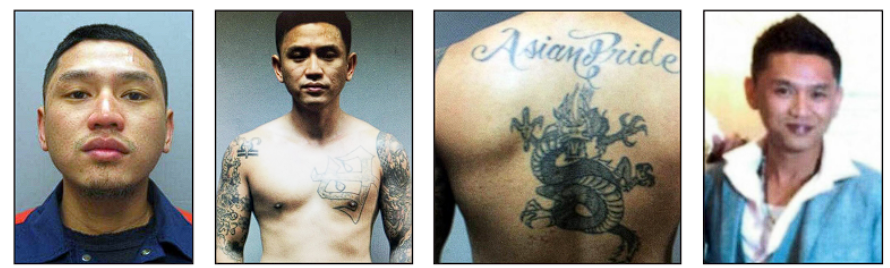
Charges: Murder and kidnapping in connection with a 2014 double homicide.
Lu is wanted in the torture, kidnapping, and murder of two brothers in Philadelphia in August 2014, a case that sat unresolved for more than a decade before his addition to the list escalated it back into an active federal search.
Omar Alexander Cardenas — “Dollar”
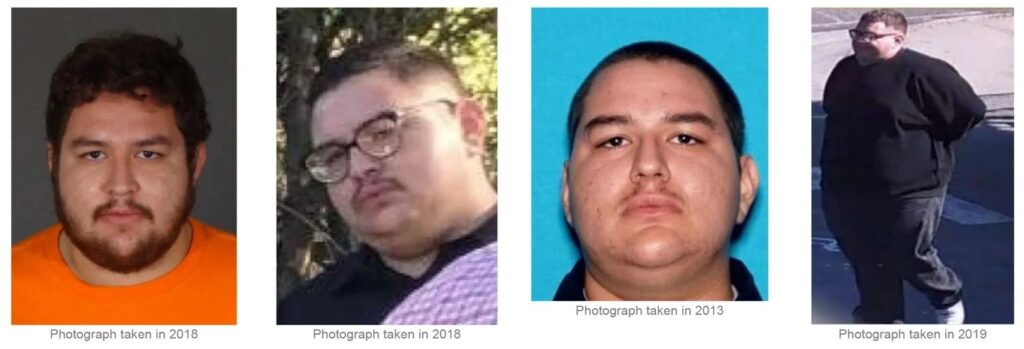
Charges: Murder, unlawful flight to avoid prosecution. Reward: up to $1 million.
A suspected member of Los Angeles’s Pierce Street Gang, Cardenas has been sought since 2022 in connection with a killing tied to gang activity in the city.
Bhadreshkumar Chetanbhai Patel
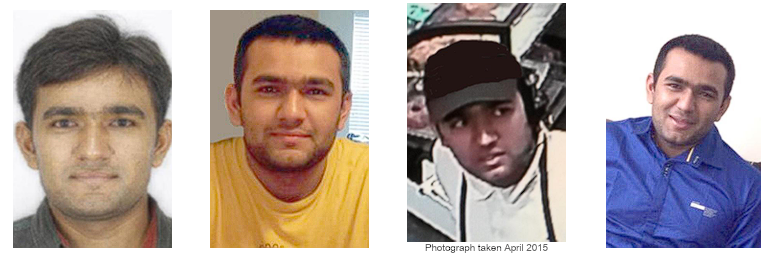
Charges: Murder.
Patel is wanted for the April 2015 killing of his wife at a Dunkin’ Donuts location, one of the longer-running cases on the current list and a reminder that the Ten Most Wanted board is not limited to organized crime, some names are ordinary domestic homicide cases the Bureau has simply never closed.
Wilver Villegas-Palomino
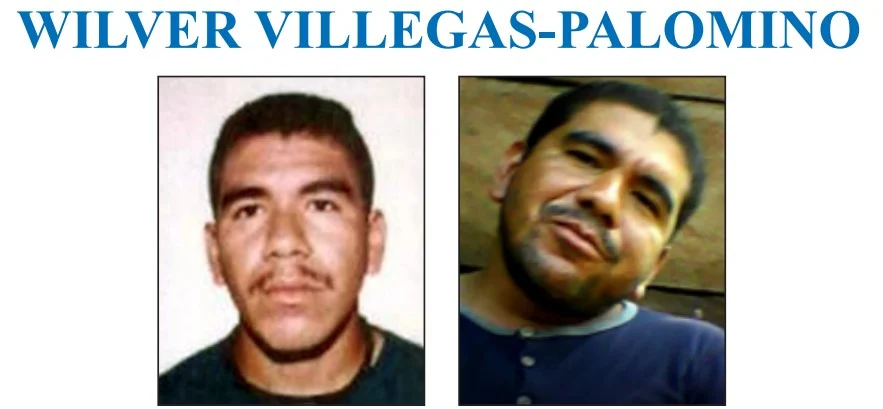
Charges: Narcotics trafficking in connection with a Colombian dissident armed group.
Villegas-Palomino is wanted for drug trafficking tied to a FARC-dissident faction, part of the FBI’s continuing push against cocaine supply chains feeding US markets from South America.
Fausto Isidro Meza-Flores
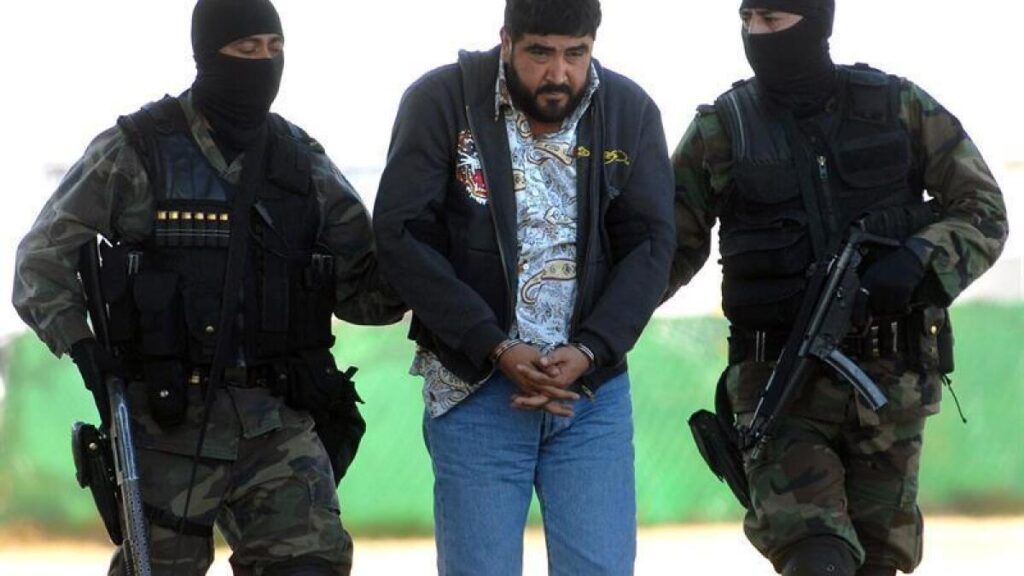
Charges: Narcotics trafficking violations.
Meza-Flores is wanted on drug trafficking charges tied to cartel operations, one of several current entries on the list reflecting the Bureau’s sustained focus on cartel leadership rather than street-level distribution.
The One That Got Away, Fast
Not every name on this list stays there long. KaShawn Nicola Roper, wanted since 2020 for a fatal shooting in Kansas City, was added to the Ten Most Wanted list in April this year, and captured in Florida less than 24 hours later after tips poured in from people who recognized her from the announcement alone. It remains one of the fastest resolutions in the list’s 76-year history and the clearest possible argument for why the list still works: it does not need surveillance technology to close a case, it needs one person watching the news to recognize a face.
Why the List Still Matters
Critics have argued for years that a public poster is an outdated tool in an age of facial recognition and cell-tower data. The Roper case, and dozens like it across the list’s history, argue otherwise. What the list actually does is convert millions of ordinary people into a distributed surveillance network for free, and it works precisely because the cases on it are chosen for public recognizability as much as legal severity. A four billion dollar fraud, a decade-old double murder, and a cartel enforcer sit on the same board not because they are equally dangerous, but because in every one of these cases, somewhere, someone already knows exactly where to look.
Forensic Times · forensictimes.com · Global Investigative Journalism on Crime, Justice, and Forensic Science · This report reflects verified open-source and wire reporting current as of publication. © 2026 Forensic Times. All Rights Reserved.