















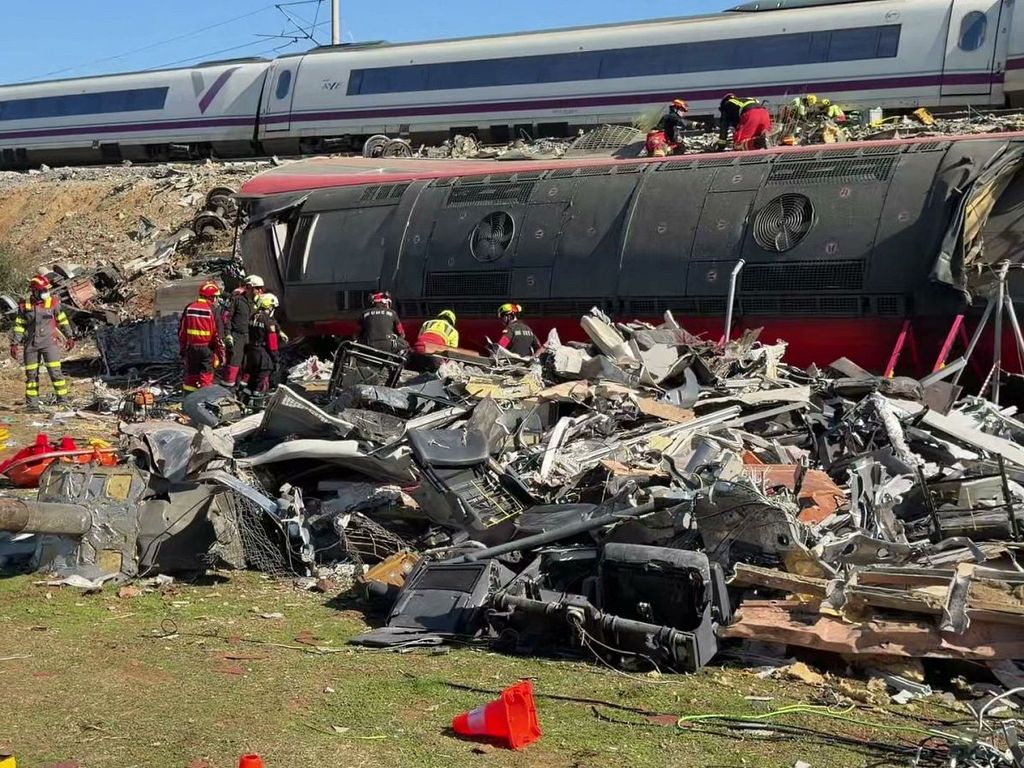
At least 68 people were reported dead after two high-speed trains collided near Urda in Spain’s Toledo province on Wednesday, 28 October 2026. The scale of the disaster has turned attention from the impact itself to the sequence of operational decisions that allowed a moving train to reach another train stopped on the same line.
The collision occurred at about 8:53 a.m. local time near kilometre marker 118 on the Madrid-Andalusia high-speed corridor. The Renfe AVE service, carrying about 397 passengers, struck the rear of an Iryo train with 146 passengers and an infant on board. Several carriages derailed, with some falling down an embankment. The death toll remained subject to confirmation as rescue and identification work continued.
What happened near Urda
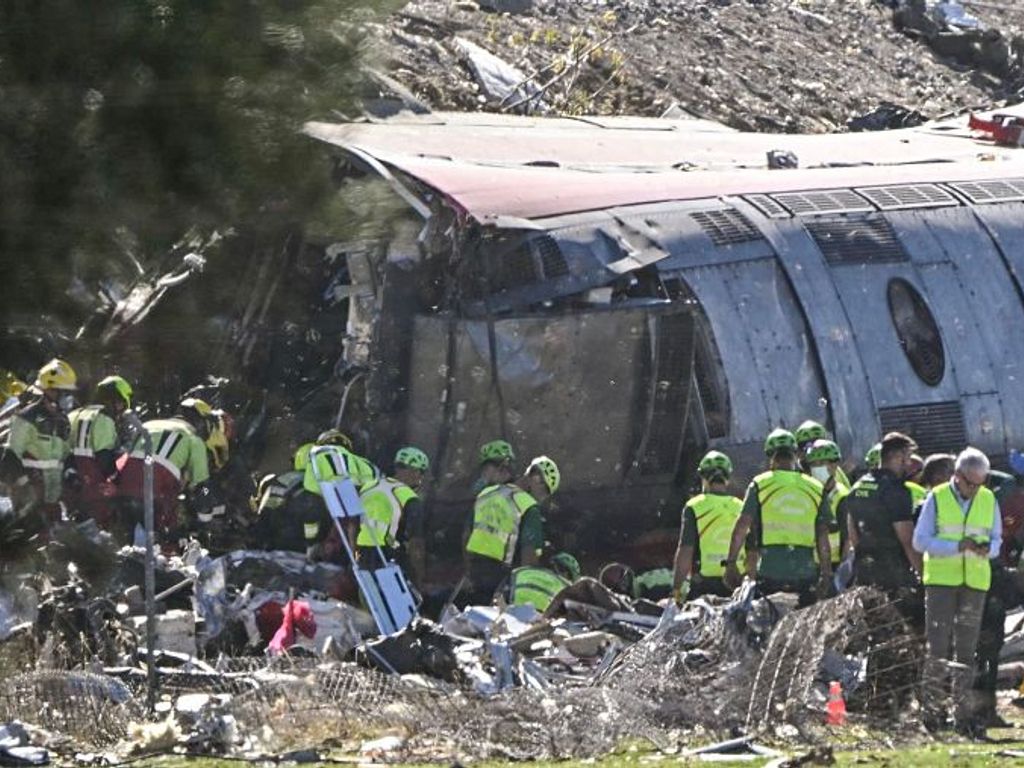
The two trains were travelling south towards Andalusia. The Iryo service was stopped on the line when the Renfe train approached from behind. Regional emergency teams, Civil Guard officers, firefighters, medical personnel and Spain’s Military Emergency Unit were sent to the scene.
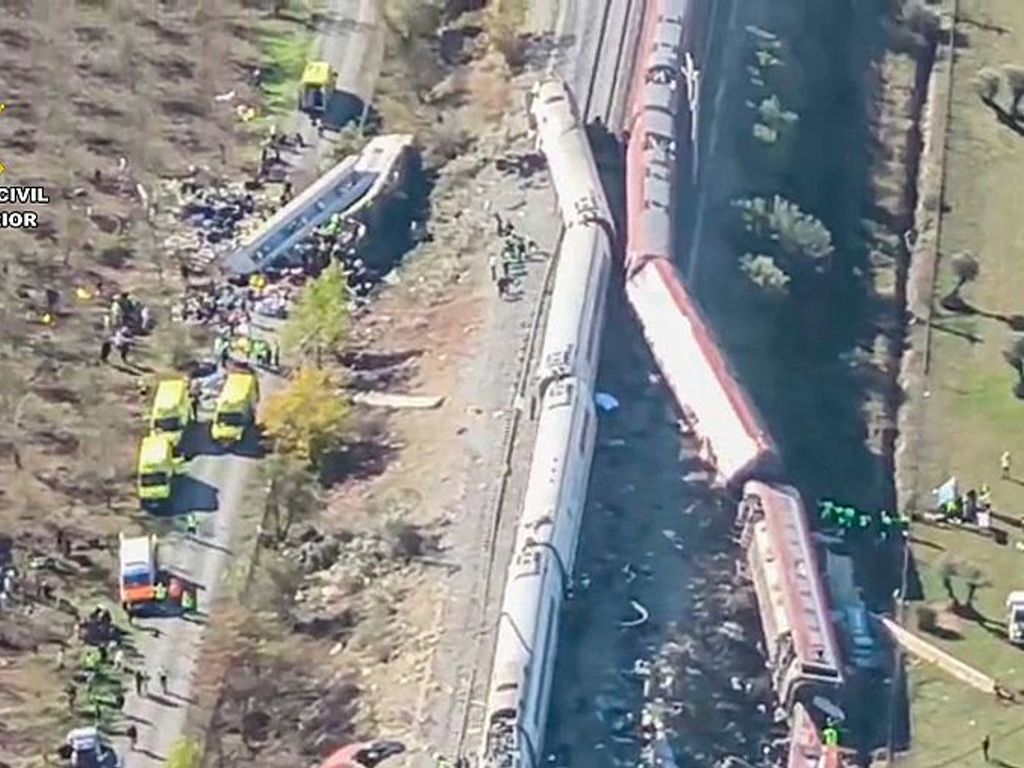
The passenger count is reported as 544 across both services. Renfe and Iryo, infrastructure manager Adif and regional authorities will need to reconcile the passenger manifests as families seek information and authorities complete identification procedures.
The protection system failure
Spain’s transport ministry has said the main LZB train-protection system failed after a communications problem between computers. The failure affected a stretch of roughly 69 kilometres and triggered automatic stops for trains using the affected section. The system is designed to help supervise train movement and maintain safe separation.
When the LZB system was unavailable, railway operations depended on an alternative procedure and trackside signals. The critical issue is therefore not simply that a technical failure occurred, but how control-centre staff and train crews managed the risk after the normal protection system stopped functioning.
The control-centre decision under scrutiny
According to the transport minister’s preliminary account, trains were initially stopped after the protection-system failure, then authorised to resume movement even though a red signal remained active because the Iryo service was still obstructing the line. The ministry has said that a decision made at the control centre is now a central focus of the inquiry.
That account is not the final finding of an independent investigation. Investigators must establish exactly what instructions were issued to the Renfe driver, what the control system displayed, whether the stationary train was clearly identified to the controller and crew, and what speed and operating restrictions applied after the system failure. The sequence must be reconstructed from signal logs, control-room communications, train data recorders and crew accounts.
What investigators must establish
The technical and judicial inquiries will need to answer several connected questions. They must determine the precise cause and timing of the LZB failure, whether fail-safe procedures worked as designed, who authorised the restart and on what information, what the driver was told, and whether the train’s recorded speed was consistent with the applicable instructions.
Investigators will also need to examine whether the system provided a safe and workable fallback when the main protection layer failed. A system can detect a fault and stop trains, yet the protection is weakened if the recovery procedure depends on incomplete information or unclear communication. That is a question for evidence, not an assumption that the equipment or an individual was solely responsible.
Rescue response and service disruption
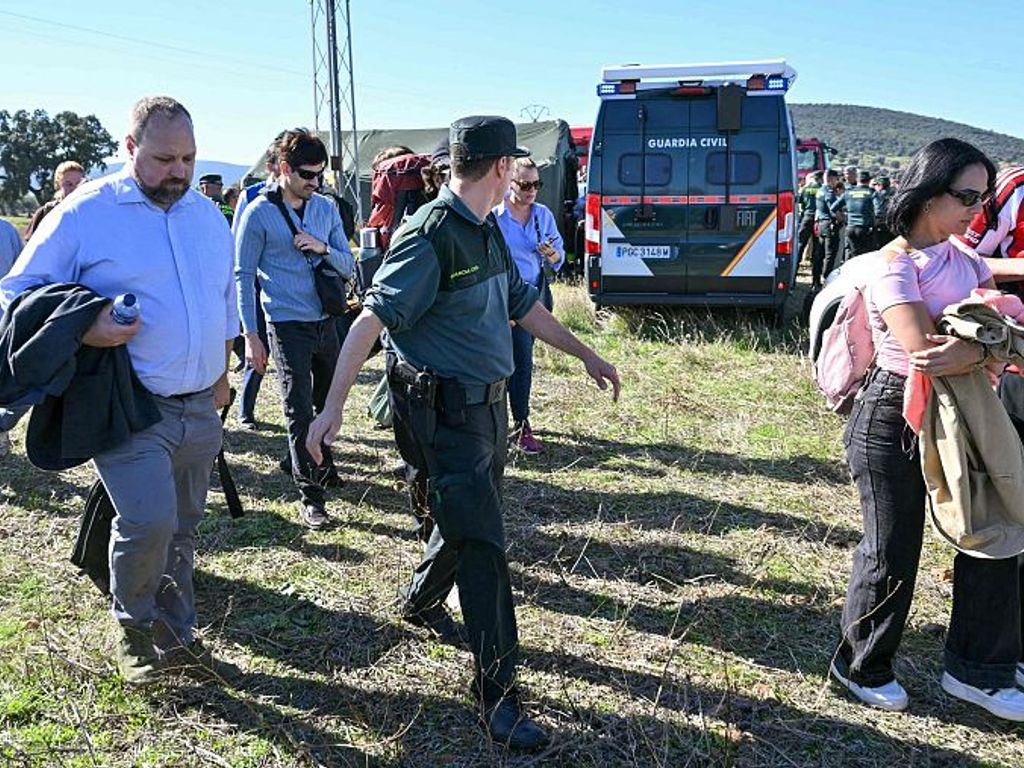
The high-speed corridor between Madrid and Andalusia was suspended following the collision. Renfe and Iryo cancelled or disrupted services while emergency operations and technical assessments continued. Passengers were advised to check directly with their operator before travelling, as service-restart estimates can change during an incident of this scale.
Regional authorities activated emergency arrangements and hospitals prepared to receive casualties. The Civil Guard also established family-assistance arrangements to help relatives obtain information and support the identification process.
The wider rail-safety question
The disaster comes nine months after the Adamuz crash in Córdoba, which killed 46 people. The two accidents have different reported circumstances, and no conclusion should be drawn that they share a cause. Together, however, they put renewed attention on the reliability of safety systems, infrastructure management and the procedures used when automatic protection is disrupted.
The investigation near Urda will be judged not only by whether it identifies the immediate chain of events, but also by whether its findings lead to clear accountability and safeguards against a similar sequence. The next important evidence will be the control-centre records, onboard data, signalling logs and the results of the technical and judicial inquiries.
Forensic Times | Intel – Investigate – Justice