


















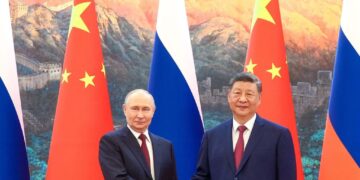







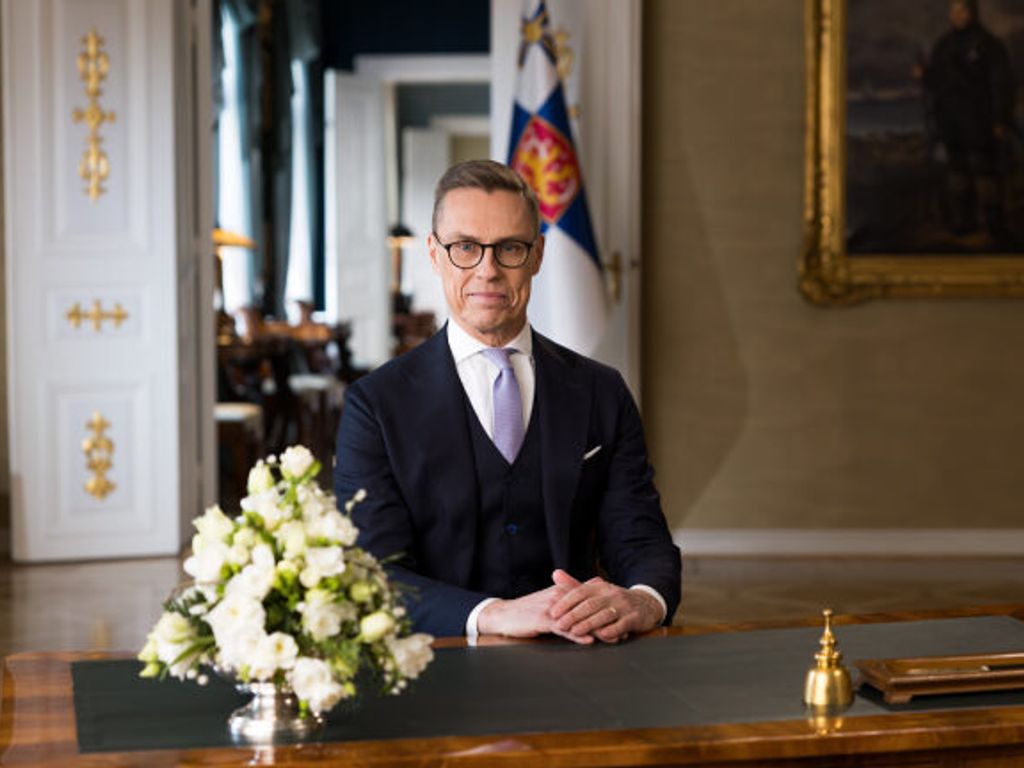
Alexander Stubb and Jonas Gahr Støre held a call with Vladimir Putin after consultations with Kyiv, seeking to carry Ukraine’s position into planned Abu Dhabi negotiations while stressing they did not speak for Europe as a whole.
What the leaders sought
Finland’s President Alexander Stubb and Norway’s Prime Minister Jonas Gahr Støre spoke by phone with Russian President Vladimir Putin in Helsinki on Tuesday, 27 October, in a rare direct contact between leaders from countries firmly supporting Ukraine and the Kremlin. Their stated purpose was to discuss Russia’s war against Ukraine and diplomatic efforts to end it, with the next round of negotiations expected to involve Abu Dhabi.
The Finnish presidency said the call was prepared in consultation with Ukraine and followed a meeting in Oslo on 20 October. That earlier gathering brought Stubb and Støre together with Ukrainian President Volodymyr Zelenskyy and US special envoy Steve Witkoff; US special envoy Jared Kushner joined remotely. Senior national security advisers from European allies and NATO also took part in discussions around the Oslo meeting.
The Helsinki call was not presented as a breakthrough agreement or a negotiated settlement. It was an attempt to convey messages directly to Putin before further talks, including the Nordic leaders’ position that negotiations should resume and the fighting should de-escalate.

The leaders have said their countries will continue supporting Ukraine. Both countries share a direct security interest in the outcome: Finland and Norway border Russia, and both have strategic interests in the Baltic Sea, the Arctic and the High North.
A diplomatic process, not a European mandate
Stubb and Støre explicitly said they participated as leaders of their own countries, not as representatives of Europe as a whole. The clarification reflects a longstanding disagreement over whether European governments should reopen direct leader-level contact with Putin, and under what conditions.
The Finnish president’s public remarks after the call indicated that Putin’s positions had not surprised him. Stubb said the purpose was to deliver the message that Ukraine’s supporters were not prepared to abandon their backing and that Russia should engage seriously in negotiations. That is a statement of diplomatic intent, not evidence that Moscow accepted the terms.
The leaders also spoke with Zelenskyy’s team after their conversation with Putin. Ukraine’s position therefore remained part of the sequence, although the public summaries do not provide a jointly agreed record of every point discussed during the call.
What Moscow signalled
There was no public indication that the call produced a concession by Russia on the central issues of the war. The Kremlin’s account described its familiar position that any durable settlement must take Russia’s stated interests into account and placed responsibility for the conflict’s continuation on Ukraine’s Western partners. Such language is consistent with Moscow’s established negotiating posture rather than a clear move toward compromise.
That leaves essential questions unanswered: whether Russia will agree to a substantive negotiating format, accept meaningful measures to reduce attacks, and define terms that protect Ukraine’s sovereignty and security. A call itself cannot answer those questions.
The planned Abu Dhabi talks may provide a more concrete test, particularly if Russian representatives take part and discussions move from broad principles to verifiable commitments. Public statements ahead of negotiations can signal priorities, but the terms delivered at the table and actions on the ground will matter more.

Why the Nordic move matters
The initiative underscores the security calculation facing countries close to Russia. For Helsinki and Oslo, the war is not a distant foreign-policy dispute: its outcome affects border security, the wider European security order and stability across northern Europe. Their attempt to speak directly to Putin also seeks to keep a diplomatic channel open without weakening support for Ukraine.
But the move carries a coordination risk. Other European governments have been wary of national leaders opening separate channels with Moscow, arguing that fragmented approaches can reduce Europe’s leverage. Denmark’s prime minister publicly questioned the value of the initiative and stressed the importance of European unity. That criticism illustrates that agreement on the goal of ending the war does not automatically mean agreement on who should conduct the diplomacy.
A credible European approach will need to reconcile direct engagement with common positions, coordination with Kyiv and clear standards for what constitutes progress. The Nordic leaders’ statement that they did not speak for Europe helps define the limits of their mandate, but it does not resolve the broader coordination problem.

The test will be concrete steps
The Helsinki call is best understood as a diplomatic intervention ahead of another round of negotiations, not as a turning point in the war. Its immediate value depends on whether messages delivered directly to Putin are followed by practical movement: sustained talks, verifiable de-escalation and proposals that Ukraine can seriously consider.
For Finland and Norway, the next task is to preserve pressure and support for Ukraine while keeping their diplomatic effort coordinated with Kyiv and European partners. For Moscow, the measure is whether it makes substantive choices that reduce the war’s human cost. Without such evidence, another leader-level call changes the channel of communication, not the underlying conflict.
Forensic Times