






























The Democratic Party’s sweeping gains in the November 3 midterm elections have transformed the political balance in Washington and prompted a wave of relief across parts of Europe. After two years of confrontational rhetoric from President Donald Trump, European leaders now see a Congress that can challenge the White House more directly.
But the celebrations come with a warning: a Democratic-controlled House and Senate do not automatically change the president’s approach to trade, NATO, Ukraine or European security. The result gives Europe a new political opening, not a guarantee of warmer relations.
Contents
- A result Europe had been watching
- Relief, satisfaction and political symbolism
- Why Trump still has room to manoeuvre
- Europe’s push for strategic independence
- What the result means for the next two years
A result Europe had been watching
Democrats won control of both chambers of Congress in the November 3 vote, overturning Republican control of the Senate and making major gains in the House of Representatives. The party also recorded significant victories in several state contests, including races in places that had recently been considered difficult territory for Democrats.
The scale of the result was striking. Associated Press reporting said Democrats flipped at least seven Senate seats and more than two dozen House districts, while winning several governorships. Victories in traditionally Republican states intensified the sense that the vote was not simply a routine midterm correction, but a broad rejection of the direction set by the Trump administration.
Domestic concerns were central to the outcome. Voters were focused on the cost of living, inflation and the consequences of the war with Iran, alongside concerns about the administration’s conduct. The result leaves Trump facing a more powerful opposition in Congress during the final two years of his term.
Relief, satisfaction and political symbolism
For many European politicians who have clashed with Trump over tariffs, defence spending and the future of the transatlantic alliance, the result offered a rare moment of satisfaction. The shift in Washington gives them a larger group of political allies with the authority to scrutinise the administration and contest parts of its domestic agenda.
European Parliament Vice-President Sophie Wilmès welcomed the change in the balance of power and said she hoped it would create the conditions for a calmer, more constructive relationship with Europe. She also stressed that Europeans must continue strengthening their own capacity to make decisions and defend their interests.
The public mood had already pointed in that direction before voting began. An EU-wide survey conducted in September by Polling Europe and OpinionWay found that 58 per cent of respondents preferred a Democratic victory in the midterms, compared with 18 per cent who favoured a Republican win. The remaining 24 per cent expressed no preference for either party.
That gap reflects the extent to which Trump’s approach has unsettled European opinion. His criticism of traditional allies, threats of tariffs and pressure on NATO partners have made the state of US politics a direct concern for governments across the continent.
Why Trump still has room to manoeuvre
A Democratic majority will matter. Congress can block legislation, scrutinise government decisions, hold hearings, investigate the administration and use its control of federal spending to exert pressure. Senate control also gives Democrats a stronger position over the consideration of many presidential nominations.
However, the president retains substantial authority over foreign policy and the conduct of the US military. A change in congressional control does not, by itself, reverse existing tariff measures or compel the White House to adopt a different position on NATO, Ukraine, China or the European Union.
That is why some European analysts have cautioned against treating the election as a reset in transatlantic relations. A president facing domestic gridlock could become more focused on foreign affairs, where the executive branch has considerable room to act. A sharper confrontation with European partners is a risk, not an inevitable consequence of the vote.
Europe’s push for strategic independence
The election has renewed a debate that was already under way in European capitals: how far can the continent reduce its reliance on decisions made in Washington? Defence capabilities, energy security, critical technologies and trade resilience are central to that discussion.
European leaders may find a more receptive audience among Democrats in Congress on issues such as Ukraine support and the value of longstanding alliances. But relying on a change in congressional majorities would leave Europe exposed to the next election cycle and to decisions made by the US president.
The message from several European voices has therefore been two-sided. They welcome the opportunity to work with a Congress that is more sceptical of Trump’s approach, while arguing that Europe must be able to protect its interests regardless of which party controls Washington.
What the result means for the next two years
The new Congress is likely to shape the political environment through oversight, spending negotiations and disputes over the administration’s domestic programme. Its influence on foreign policy will be more complicated. Lawmakers can debate aid, constrain funding and put pressure on the White House, but they cannot guarantee a change in presidential priorities.
For Ukraine, NATO and the wider European security order, the outcome creates opportunities for closer congressional engagement but does not settle the questions that matter most: the scale and duration of US support, the future of American military commitments in Europe, and the direction of US trade policy.
Europe can take some comfort from the fact that Trump now faces a stronger institutional counterweight at home. Yet the election has not removed the strategic uncertainty that has defined transatlantic relations in recent years. The blue wave has changed the balance of power in Washington; what it changes in the relationship with Europe will depend on how both sides use the months ahead.
Also Read
- Merz Says Europe Must Have a Seat at Ukraine Peace Talks as Trump Pushes Deal
- Moscow Says Work Is Underway for Trump-Putin-Xi Meeting in China
Forensic Times | Independent reporting and analysis on global affairs, security and policy.
Editorial note: This article reflects publicly available election reporting and official statements available as of November 5, 2026. Vote counts and the political consequences of the result may evolve as the certification process and preparations for the new Congress continue.
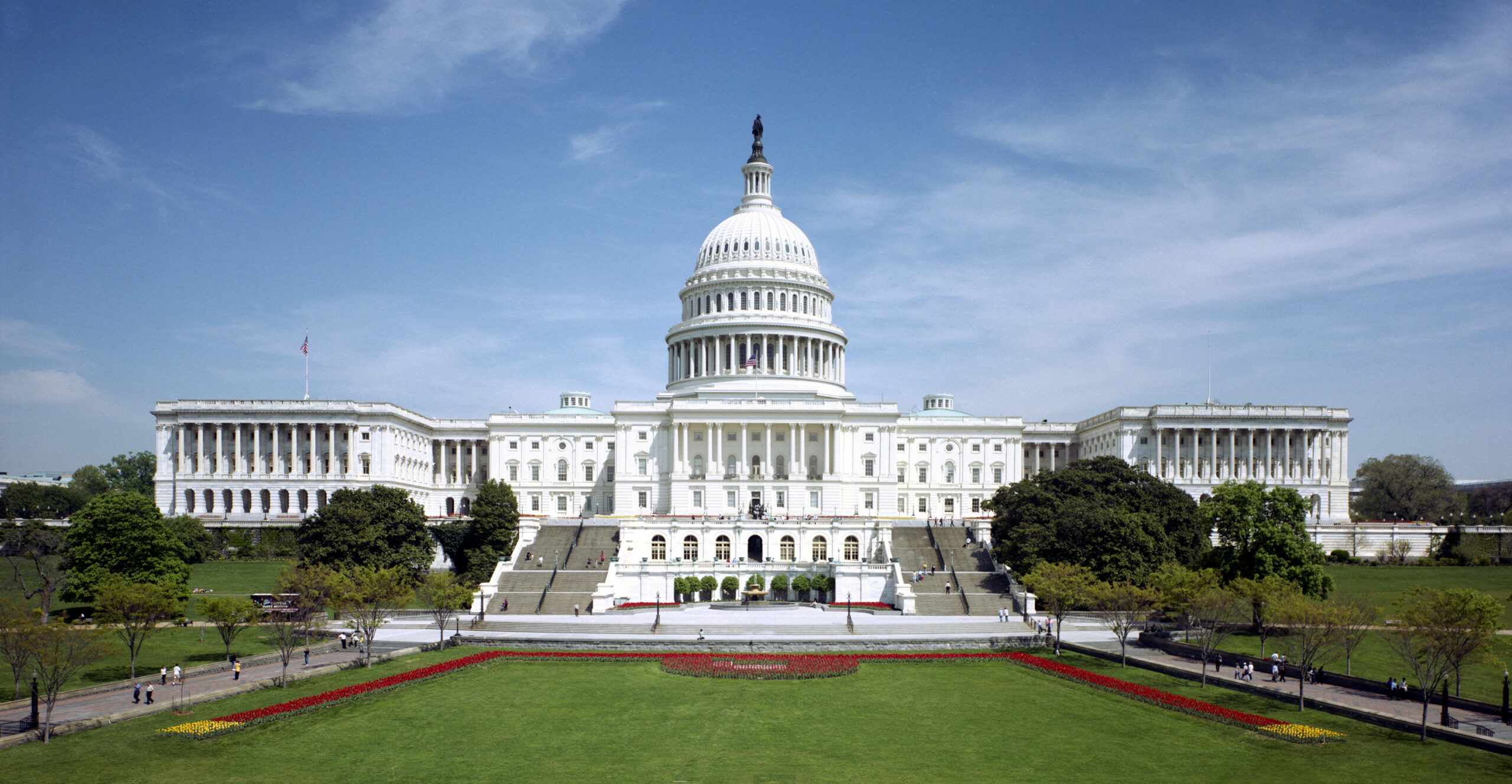
Photo: Architect of the Capitol / Public domain.